
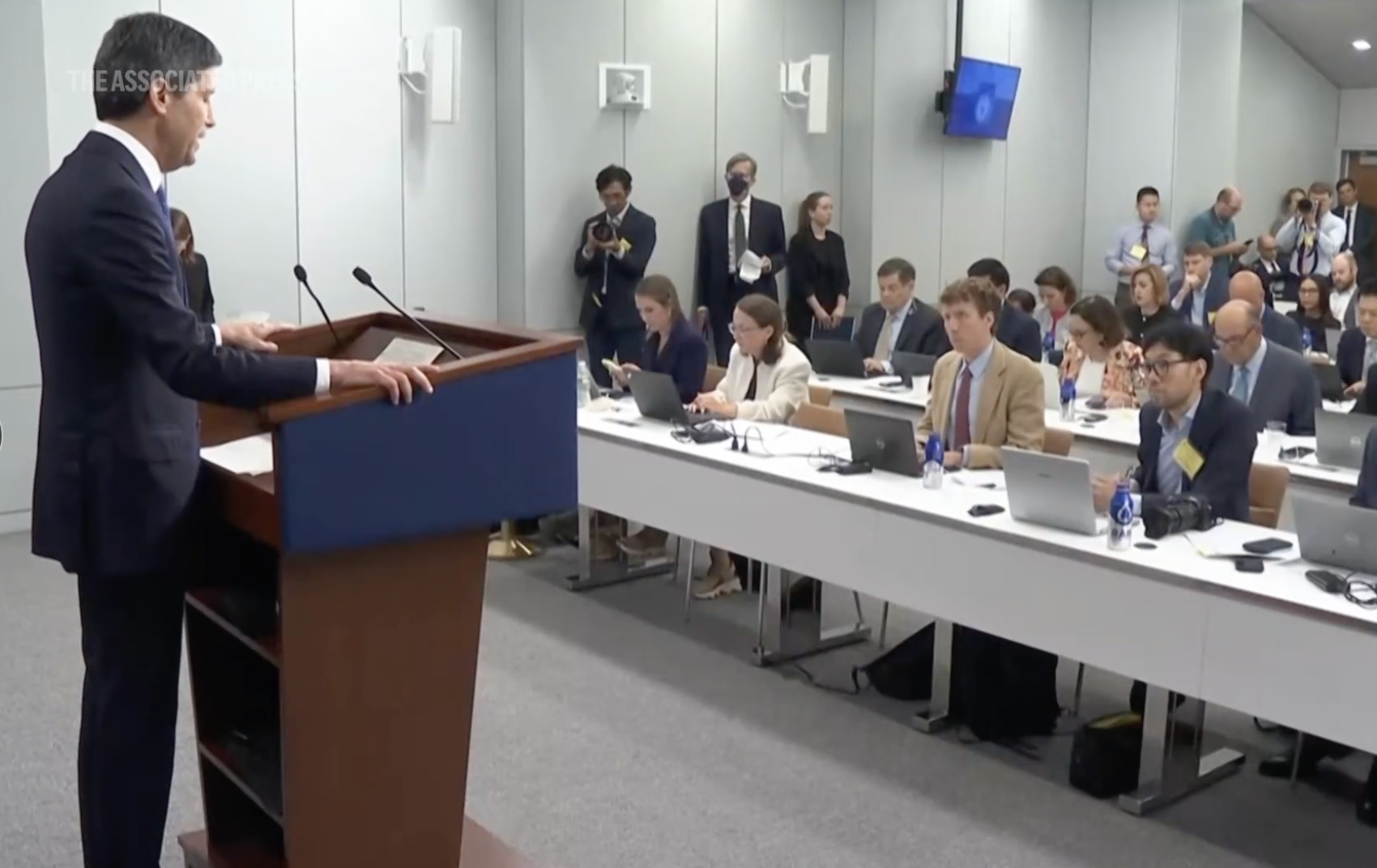
The Fed Raises the Cost of Borrowing
Federal Reserve officials raised the benchmark interest rate by a quarter point, its first increase since mid-2023. The move placed the target range between 3.75% and 4%.
Persistent inflation drove the decision. Consumer prices rose 3.4% from a year earlier in August, while the monthly increase accelerated to 0.4%. Both measures remain above the Fed’s 2% target.
Higher rates are intended to slow consumer and business spending by making credit more expensive. Policymakers also signaled another increase this year, potentially lifting the benchmark rate to 4.1%.
One quarter-point increase may have only a modest immediate effect. However, repeated hikes could create a much larger burden, especially for households financing major purchases or carrying variable-rate debt.
Mortgages and Credit Cards Face Pressure
Home-loan rates do not follow the Fed directly because they generally track 10-year Treasury yields. Those yields recently exceeded 5%, while the average 30-year mortgage rate reached 6.76%.
High financing costs are already weakening housing activity. Sales of previously occupied homes fell for a third consecutive month in August and reached their slowest pace in more than a year.
Many existing homeowners remain protected because they secured low rates during the pandemic. Nearly half of outstanding mortgages carry rates of 4% or less, and almost one-fifth are at 3% or lower.
Credit card rates react more quickly because most are variable and follow banks’ prime rate. LendingTree expects many cardholders to see a quarter-point increase within the next several months.
Americans held $1.26 trillion in credit card balances during the second quarter. That total was close to the record $1.28 trillion recorded at the end of 2025.
Savers Gain While Auto Costs Rise
Deposit accounts and certificates will probably offer slightly better returns. The average rate on a one-year certificate was 1.71% last month, compared with only 0.15% in March 2022.
Online banks may compete more aggressively for deposits through high-yield savings accounts, although some require larger balances. The benefit for savers contrasts with rising costs for borrowers.
Auto loans also respond indirectly to the Fed through the prime rate. New vehicles averaged $50,089 last month, while loan rates averaged 7% for new cars and 10.6% for used ones.
Average monthly car payments reached $765 during the second quarter. Consumer finance analyst Matt Schulz warned that many households have little room to absorb additional increases in everyday costs.
References
Wiseman, P. (2026, September 16). Fed rate hike likely means more expensive credit cards and mortgages, but savers may rejoice. AP News. https://apnews.com/article/federal-reserve-warsh-borrowing-interest-rates-8d645bd4cbf32974e68c5bc4cfaa1f61