
A Strong August Rebound
Retail sales rose 1.2% in August after a revised 0.5% decline in July, according to Commerce Department data. The gain exceeded economists’ forecast of 0.7%.
July’s pullback had been unusual because consumers showed few earlier signs of fatigue. Spending remained solid during the World Cup, Amazon Prime Day, and the spring tax-refund period.
Excluding gasoline stations, sales still increased 1.1%, highlighting continued consumer resilience. However, the figures are not adjusted for inflation, and confidence weakened again in July.
Meanwhile, the Federal Reserve raised its short-term rate by a quarter point to roughly 3.9%. That move could gradually increase borrowing costs for households.
What Drove the Increase
Online and other nonstore sales accounted for much of the rebound after falling sharply in July. Economists linked that earlier decline to shifts in Amazon Prime Day’s timing.
Beyond seasonal effects, several discretionary categories recorded solid gains. Food services, electronics, sports, and recreation helped support the broader increase in consumer spending.
A narrower measure used to calculate economic growth rose 1.4% from July. This control group excludes food services, vehicles, building materials, and gasoline stations.
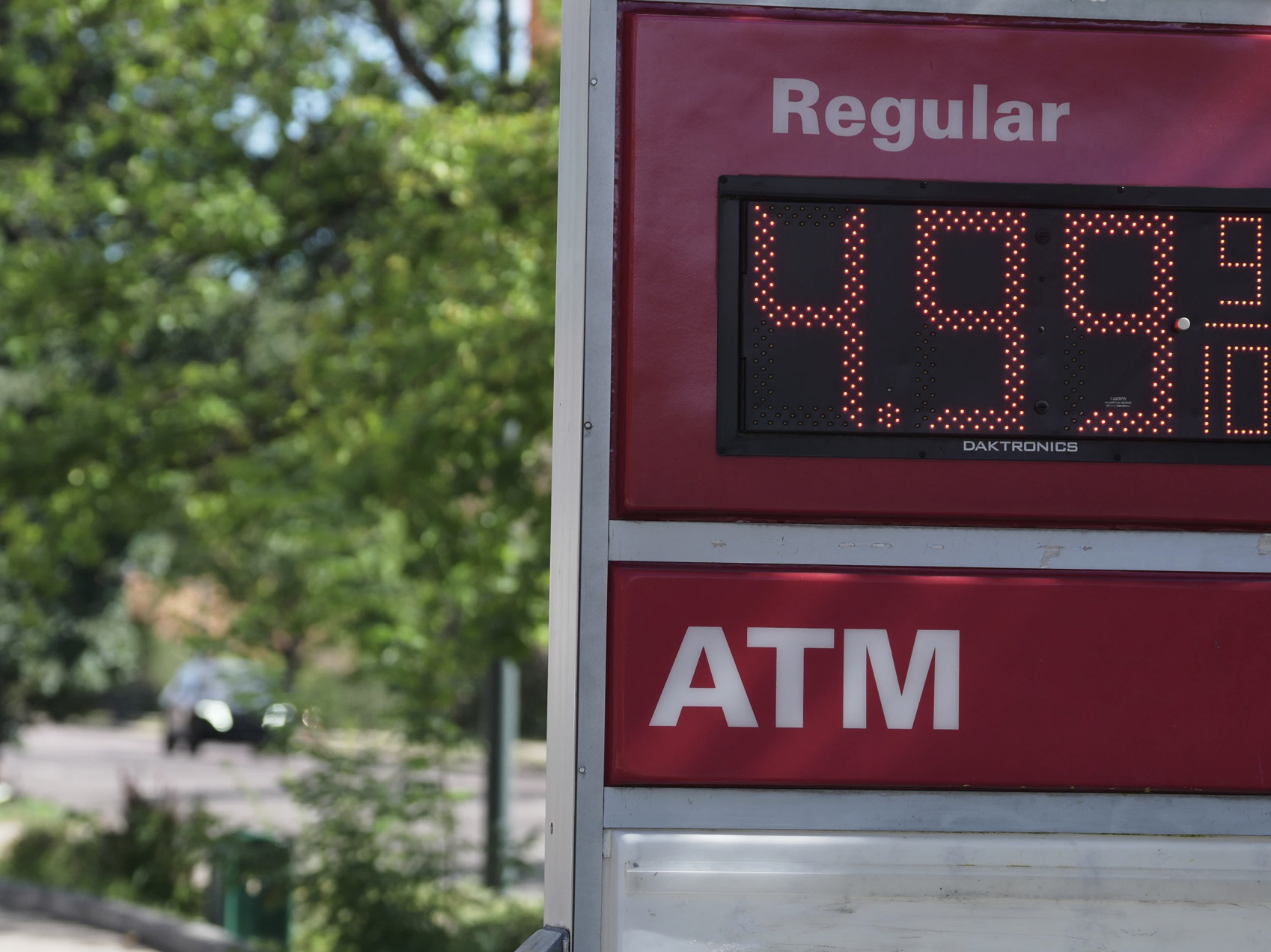
Higher fuel prices also lifted gasoline-station sales. Regular gasoline averaged $4.37 per gallon, about 47% above its level before renewed Middle East fighting began.
Pressure on Household Spending
Inflation continues to challenge consumers despite August’s strong sales. Prices increased 3.4% from a year earlier and 0.4% from July, accelerating from June’s monthly pace.
Consumers have become more selective about purchases, according to recent retailer results. Walmart and Macy’s are using some government tariff refunds to reduce selected prices.
Macy’s received $116 million in refunds and directed part of that money toward furniture and fine jewelry discounts. Retail industry executives still described yearly sales as stronger than expected.
September is expected to become the busiest month for import volume at major U.S. container ports. Usually, the annual peak arrives in July or August.
Economists warned that persistently expensive gasoline could squeeze real incomes and weaken future demand. Lower- and middle-income households may have less room to maintain their spending.
References
D’Innocenzio, A. (2026, September 16). Retail sales rise a better-than-expected 1.2% in August after shoppers pulled back spending in July. AP News. https://apnews.com/article/retail-inflation-consumer-sentiment-economy-474ed13de492362589405a47ec044d29