
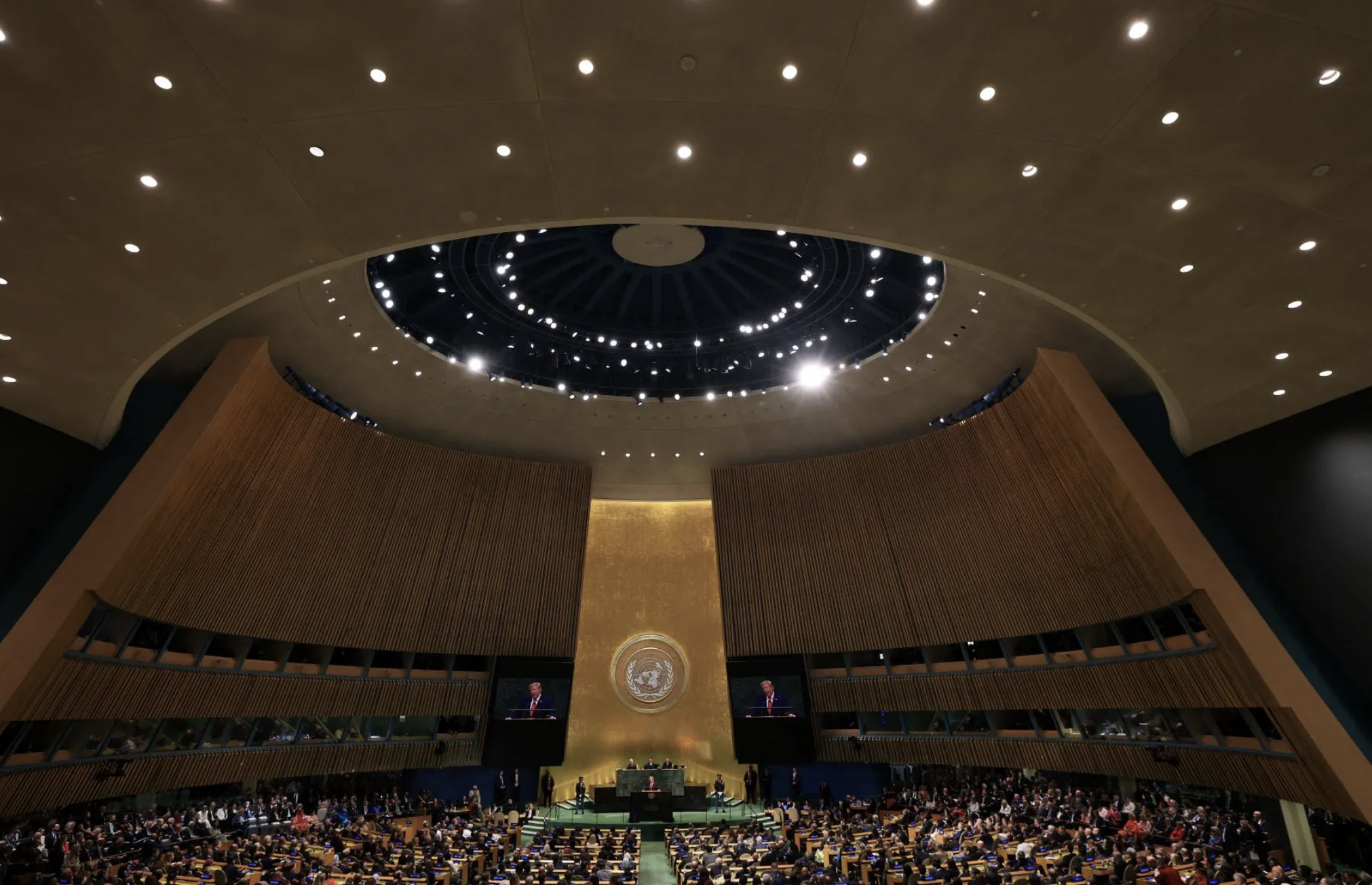
Multilateral Crisis and Global Leadership
Currently, the General Assembly faces its most serious crisis since 1945. Specifically, the international organization operates with a significantly reduced budget. Furthermore, the informal agenda is heavily dominated by Donald Trump. Consequently, diplomats are speculating widely about the next UN leader. Meanwhile, African nations urgently demand a much fairer global representation. In fact, the continent lacks a permanent Security Council seat. Therefore, diplomats actively seek to transform the current multilateral system. Ultimately, global leaders must decide whether to solve these problems.
Climate Divergence and Geoengineering
On the other hand, climate change highlights a massive global divide. For instance, the United States is abandoning major international agreements. As a result, European powers seek cooperation without American participation. Additionally, some analysts suggest debating drastic geoengineering interventions this year. Specifically, they propose injecting aerosols to artificially cool the planet. Undoubtedly, this controversial idea responds to ongoing fossil fuel failures. Similarly, António Guterres considers the climate crisis an existential threat. Ultimately, independent efforts are actively reshaping modern global climate diplomacy. Consequently, Washington’s overall influence over global governance is gradually weakening.
Gender Equality, AI, and Education
Moreover, the current agenda addresses several critical institutional debates today. Primarily, leaders are actively discussing gender equality and technological safeguards. For example, a proposed agency merger generates extremely strong criticism. Because of this, civil organizations deeply fear losing reproductive rights. Likewise, numerous leaders urgently demand new global safety frameworks immediately. Thus, they seek to protect children from artificial intelligence risks. However, long-term success heavily depends on restoring broad public trust. To achieve this, officials require greater transparency in education financing. In conclusion, the UN must never sacrifice basic human rights.
Reference
Olsen, B., Cardoso Reis, B., Grown, C., Victor, D. G., Gustafsson-Wright, E., Markovich Morris, E., Feltman, J., Landry Signé, O’Hanlon, M. E., Mo Olateju, M., Winthrop, R., Richaa Hoysala, & Shah, S. (2026, September 23). What’s at stake at UNGA 2026? Brookings. https://www.brookings.edu/articles/whats-at-stake-at-unga-2026/