
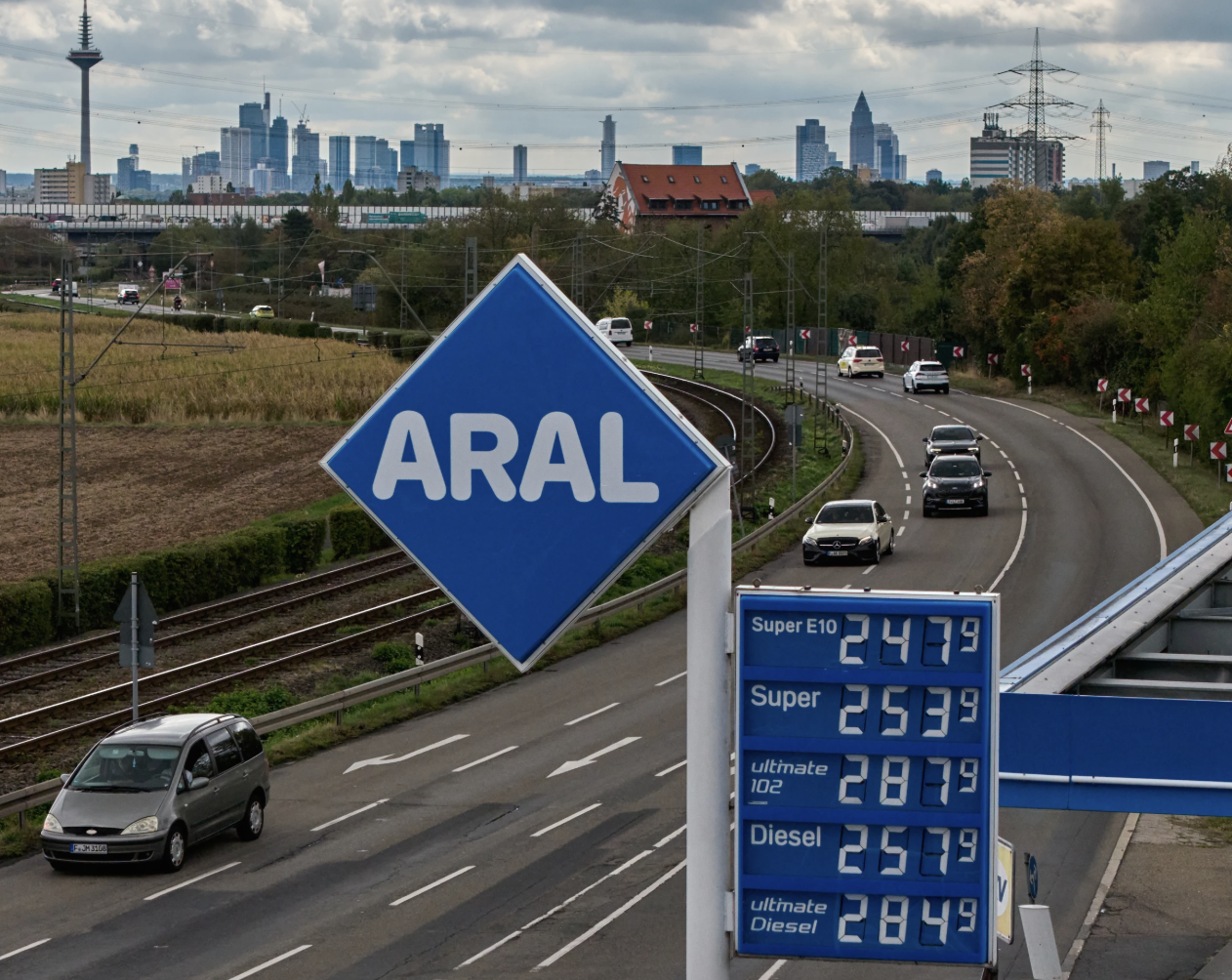
Policy measures addressing European fuel price subsidies demonstrate expanding state intervention across European Union economies facing historic energy market volatility. European governments introduced comprehensive financial relief packages, tax reductions, and policy adjustments to cushion citizens and high-consumption industries from record-high gasoline and diesel costs driven by international military conflicts.
Specifically, seven of the ten globally active nations mitigating energy cost shocks belong to the European Union, according to recent research from the Organisation for Economic Co-operation and Development. Because the European bloc imports fifty-seven percent of its total energy requirements, regional authorities desperately seek short-term market stabilization. Consequently, national ministers deploy strategic emergency reserves and targeted financial aid.
French and German National Policy Responses
Domestic financial relief initiatives vary significantly across individual European member states. For this reason, French President Emmanuel Macron announced a four hundred fifty million euro emergency package extending fuel vouchers and transport subsidies for five point five million working citizens.
In fact, France extended targeted financial support to agricultural, fishing, and construction sectors while requesting European Union flexibility regarding fuel quality standards. Meanwhile, Germany extended temporary fuel tax reductions costing two point five billion euros through the end of the year, alongside prospective fuel price cap negotiations with major energy suppliers. Therefore, domestic leaders combine tax policy with direct market intervention to stabilize consumer purchasing power.
Transatlantic Energy Dependency and Supply Risks
Escalating geopolitical friction in primary shipping lanes creates complex trade challenges for European energy security. Indeed, European Union imports of American diesel became critical following strategic efforts to diversify away from Russian fossil fuels.
Furthermore, European Commission representatives expressed deep concern regarding potential United States proposals to restrict fuel exports to protect domestic consumer prices. While European leaders mobilize emergency petroleum stocks through international agreements, French defense forces deployed military assets to safeguard critical Red Sea maritime energy infrastructure near the Bab el-Mandeb strait. As a result, international analysts monitor how transatlantic trade relations impact regional energy stability.
Reference
Associated Press. (2026, September 25). Europe uses subsidies, taxes and policy pauses to cushion high fuel prices. Associated Press. https://apnews.com/article/europe-fuel-prices-subsidies-taxes-war-873843ee048c5d8539cbabc05a13d47e