
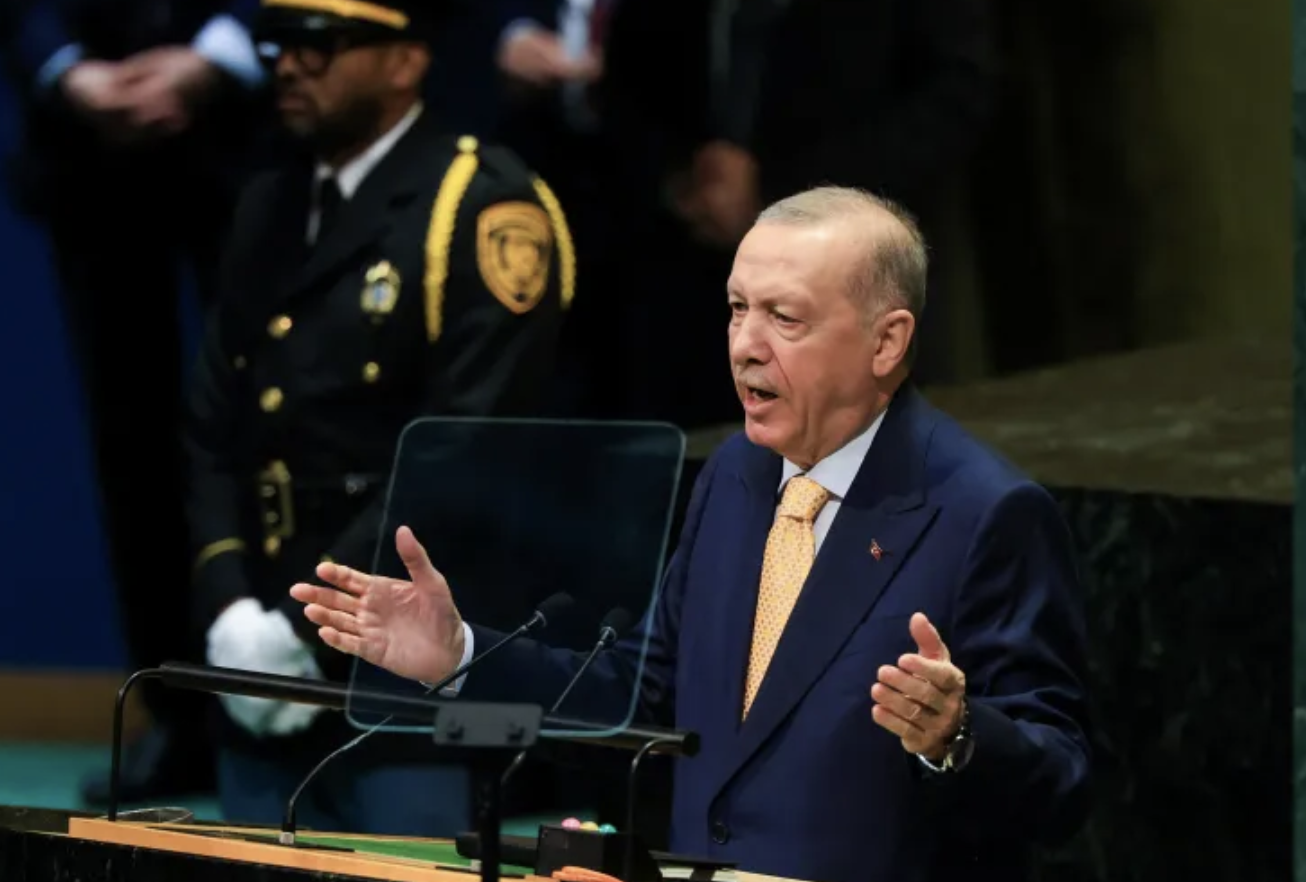
Comprehensive debates concerning UN Security Council veto reform highlight growing frustration over institutional gridlock during major global conflicts. Turkish President Recep Tayyip Erdogan formally called for eliminating the veto power held by the five permanent members, arguing that current voting structures fail to protect international peace.
Specifically, repeated diplomatic blockades regarding conflicts in Gaza, Ukraine, and the Strait of Hormuz demonstrate structural paralysis within multilateral decision-making bodies. Because amending the United Nations Charter requires explicit approval and ratification from all P5 members, complete abolition remains practically unattainable. Consequently, alternative reform proposals gain momentum among non-permanent states.
The France-Mexico Initiative and Charter Hurdles
Institutional reform efforts explore voluntary mechanisms to limit diplomatic impasses during humanitarian emergencies. For this reason, France and Mexico promoted an initiative urging permanent members to voluntarily suspend veto use during mass atrocities and crimes against humanity.
In fact, recent endorsements from twenty-one states, including the United Kingdom, brought total support to one hundred twenty-eight member nations. Meanwhile, Russia, China, and the United States continue defending veto prerogatives while expressing limited support for expanding non-permanent council seats. Therefore, international legal experts view non-binding voluntary commitments as the primary avenue for incremental reform.
Historical Veto Patterns and Institutional Expansion
Voting records reflect distinct geopolitical patterns in the historical application of veto power. Indeed, Russia accounts for nearly half of all recorded vetoes, while the United States frequently deployed its veto on resolutions related to the Israeli-Palestinian conflict.
Furthermore, neither France nor the United Kingdom has exercised individual veto power since 1989, aligning their diplomatic positions with voluntary restriction frameworks. While global leaders acknowledge that relying on five capitals to resolve international crises remains outdated, expanding permanent membership requires complex negotiations over power-sharing. As a result, multilateral diplomats continue navigating structural resistance to preserve international governance stability.
Referencia
Al Jazeera. (2026, 26 de septiembre). Turkiye calls for UN Security Council veto to end: Could it happen? Al Jazeera. https://www.aljazeera.com/features/2026/9/26/turkiye-calls-for-un-security-council-veto-to-end-could-it-happen