
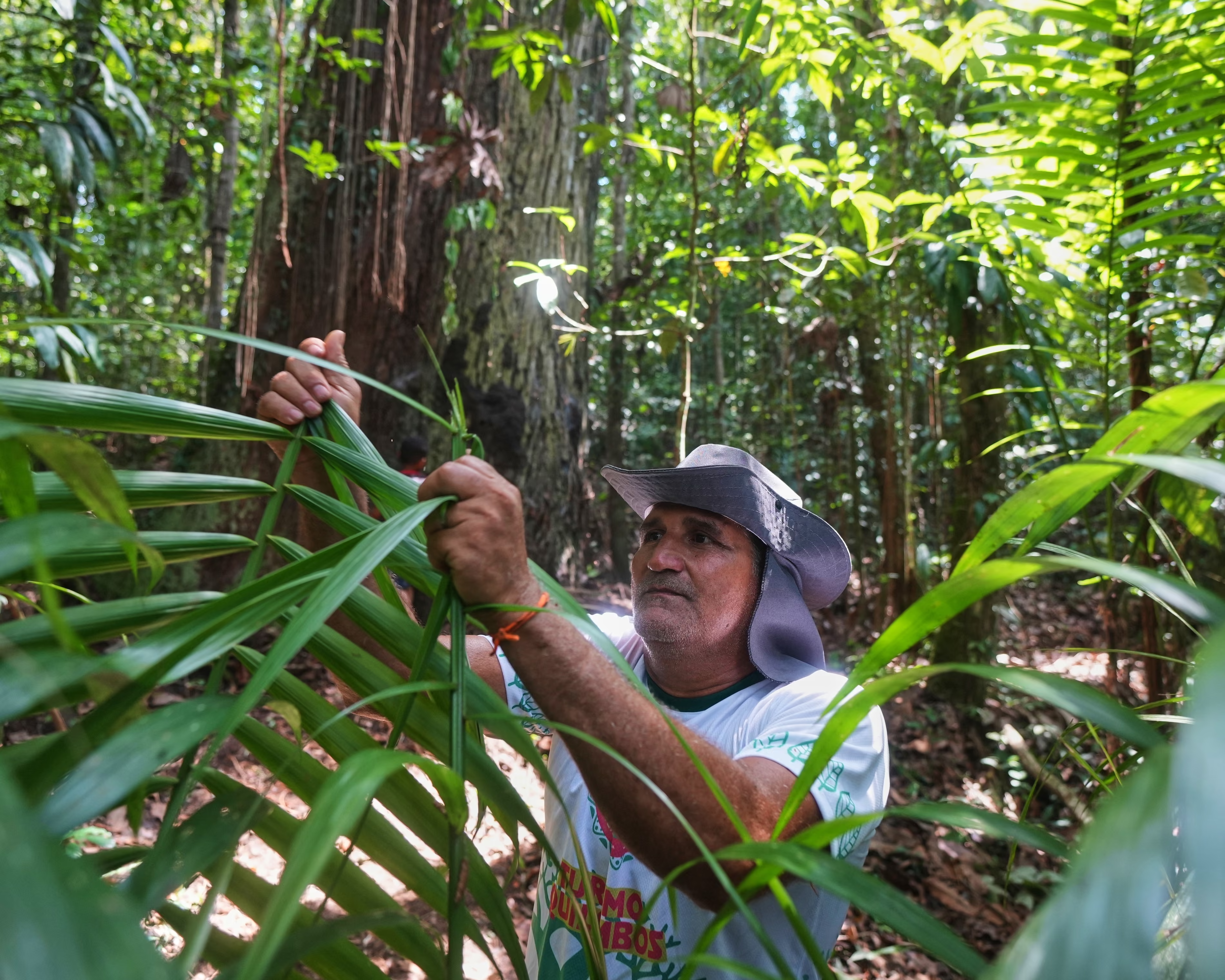
Representations of Indigenous identity filled the halls of the recent UN climate gathering in Belém. Mascots, murals and protests created a sense that forest peoples were finally being seen. But just beyond the city, another community that has safeguarded the Amazon for generations remains largely unheard. The quilombolas of Menino Jesus.
A community fighting for recognition and survival
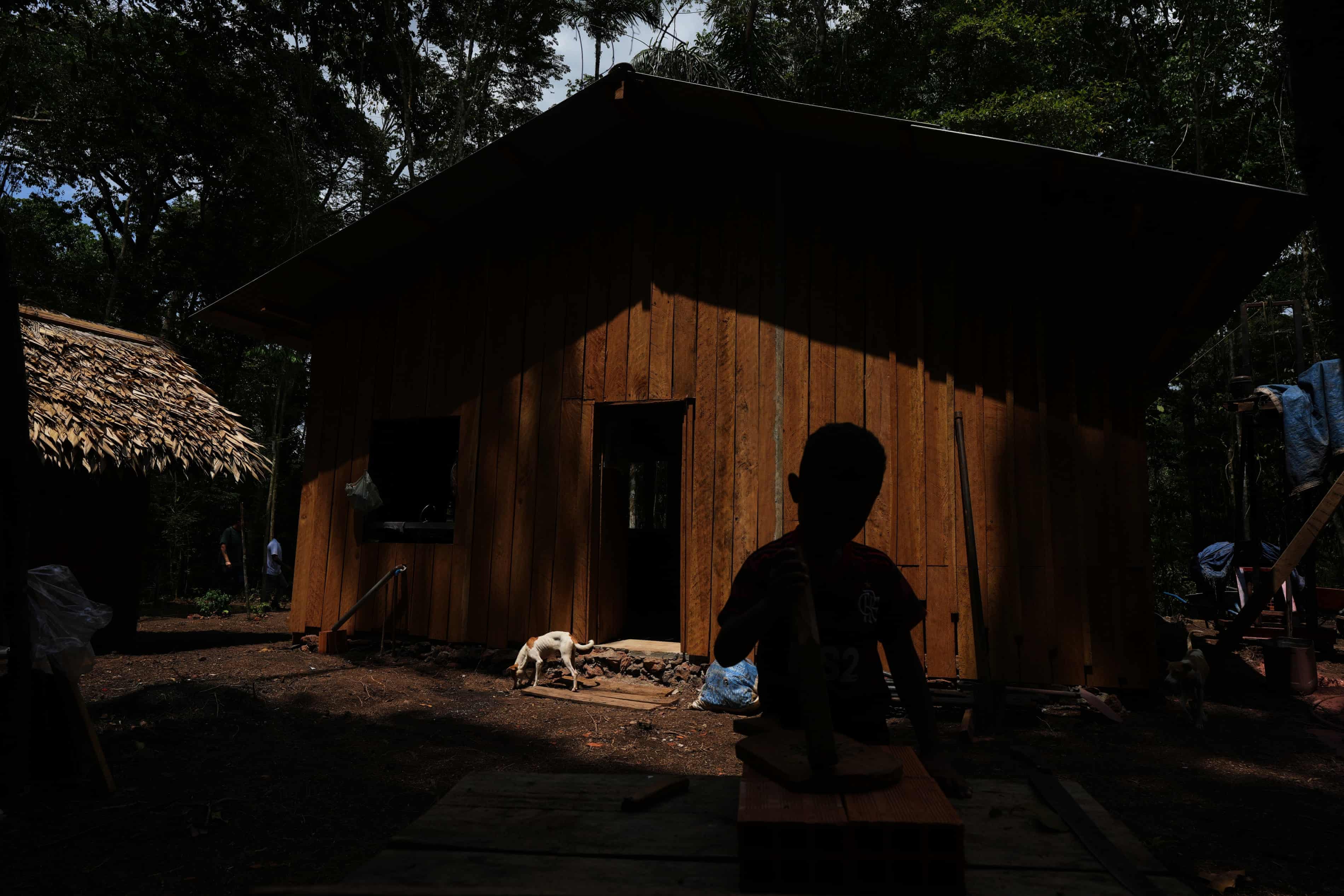
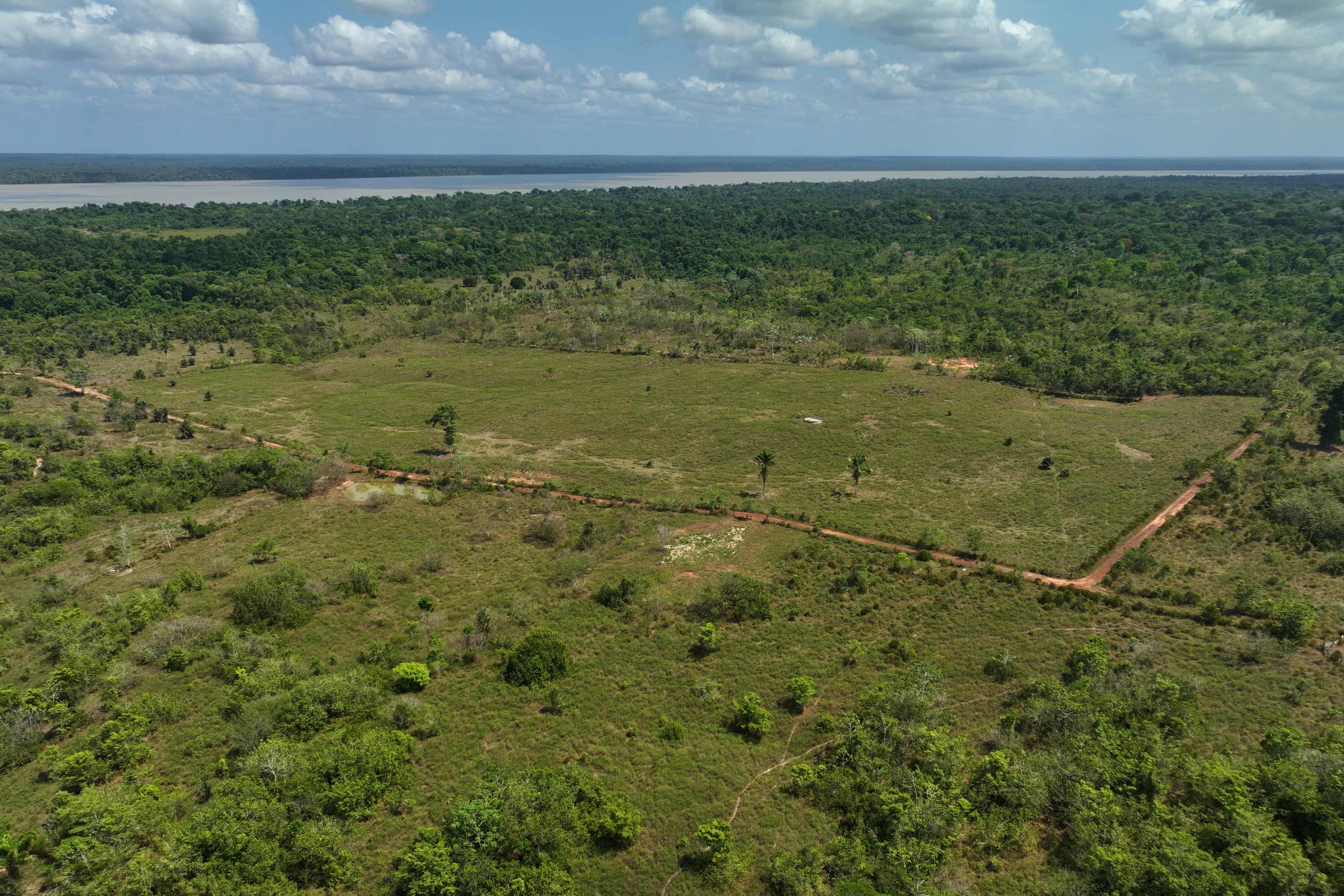
Six generations of quilombola families, descendants of enslaved Africans who refugeed in the forest, still live from and with the land. Their agroforestry practices, traditional medicines and deep environmental stewardship have kept their territory among the lowest-deforested areas in the region. Yet they stand on fragile ground. A private company is pushing to install a massive landfill less than a kilometre from their homes, threatening 200 hectares of biodiverse land and the community’s livelihood.
Their resistance hinges on land rights, something only 4.3% of Brazil’s 1.3 million quilombolas possess, despite centuries of presence and contribution. A previous landfill project was stopped only because the community proved territorial ownership. The new proposal has been rejected once by environmental authorities but revived in court. Even before a ruling, illegal dumping has already begun, souring the air and signalling what could come.
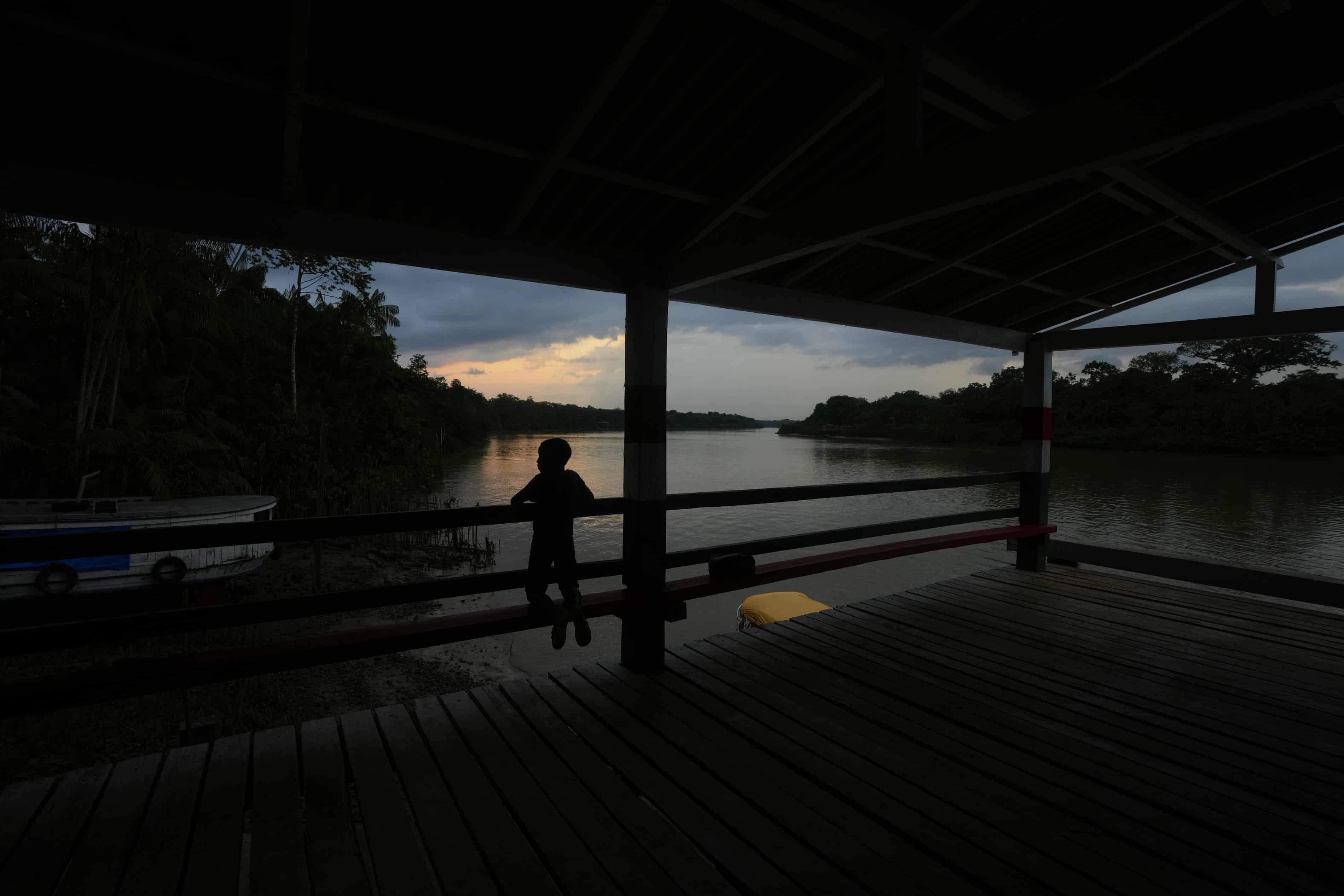
Community members describe the climate summit taking place upriver as painfully out of sync with their reality. Calling it global deliberations about the future of the forest occurring while those who keep it alive struggle even to be heard. Although new Indigenous and quilombola territories were announced and UN climate documents finally referenced Afro-descendant communities, the recognition is partial and lacks political weight.
Downriver in Itacoã-Miri, where families cultivate açaí and maintain carefully balanced agroecosystems, the sentiment is the same. Forest protection is impossible without the forest’s inhabitants. Leaders argue that meaningful climate action requires not symbolic inclusion but structural recognition of quilombolas as a distinct constituency with equal voice.
Their message carries a quiet urgency. The Amazon endures not only through flora and fauna, but through the people who have defended it for centuries. Without them, the forest, and the world beyond it, faces a thinner, more precarious future.
Reference
Gayle, D. (2025, December 1). ‘We’re true guardians of the forest’: quilombola community near Belém demand land rights and recognition. The Guardian. https://www.theguardian.com/world/2025/dec/01/quilombola-community-near-belem-brazil-demand-land-rights-political-recognition-cop30?CMP=Share_AndroidApp_Other