
Why Tougher Oil Sanctions Matter
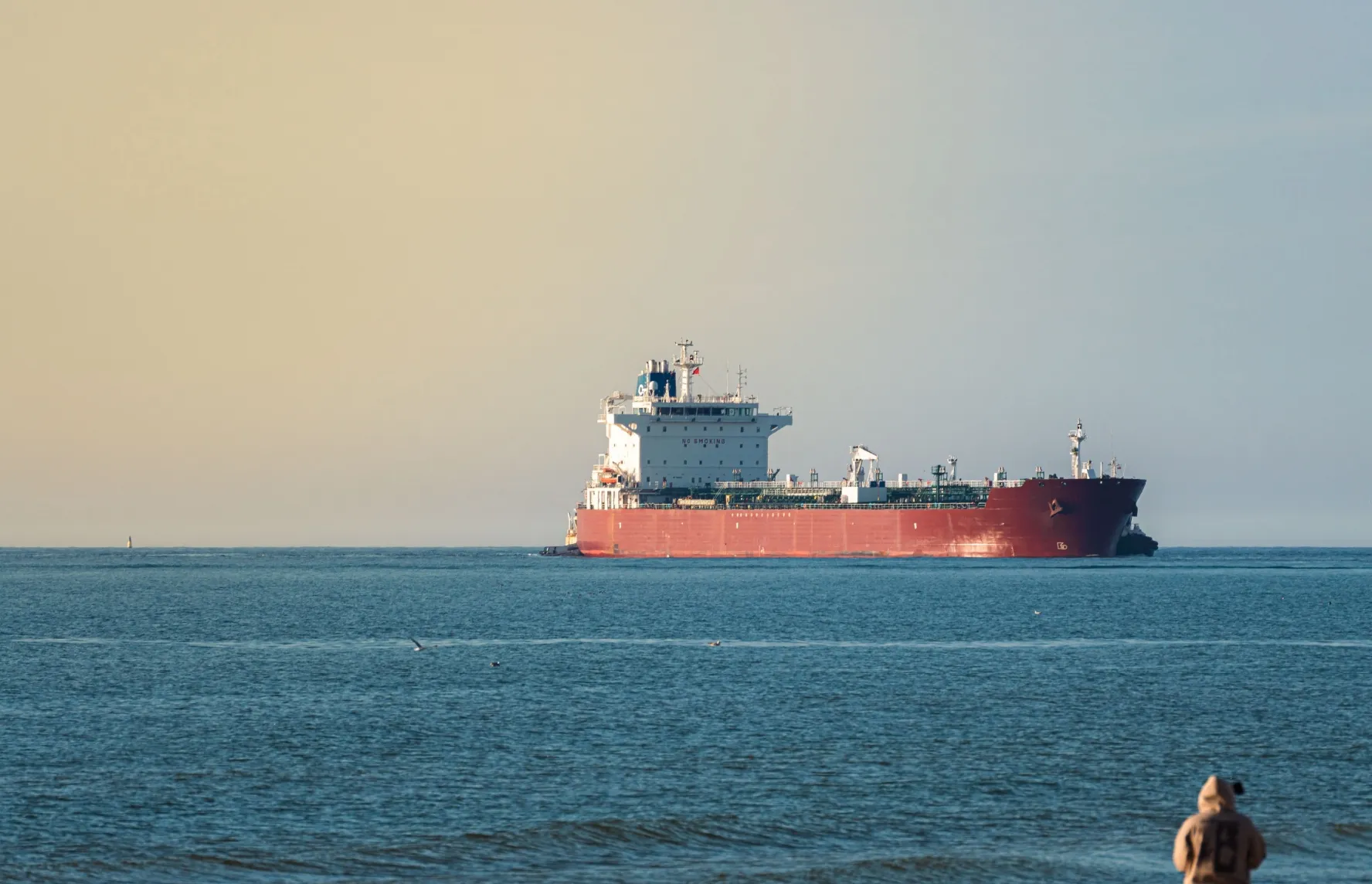
Europe and its allies have already cut most of their direct Russian oil imports and imposed a price cap to limit Moscow’s revenue. Still, Russia’s oil sector remains a major source of federal tax income and helps finance its war effort against Ukraine. Even though the United States, United Kingdom, and European Union banned most Russian crude and petroleum imports, Russia continues exploiting oil through a growing “shadow fleet” of older tankers.
These vessels evade the price cap by using lax flag states and minimal insurance, and they now carry a majority of exports out of the Baltic Sea. Without reputable insurance, such ships pose environmental risks and could leave European states liable for costly oil spill cleanups. Meanwhile, guaranteeing global oil supply has limited how far sanctions can go, because cutting Russia out abruptly would likely spike oil prices sharply.
Additionally, some price cap components stop being effective when market prices fall below specified thresholds, requiring periodic adjustment. Although the EU lowered its cap and now updates it automatically based on recent market data, key refined product caps remain unchanged. Meanwhile, major buyers outside the coalition, such as China and India, have filled export demand, weakening sanctions’ effect on Russia’s finances. Consequently, sanctions enforcement, not just design, has emerged as a central challenge.
Proposed Steps to Raise Pressure
One suggested path focuses on reforming insurance and flagging rules to strengthen sanctions enforcement. Under this approach, coastal European states would demand adequate insurance for tankers entering key seas, incentivizing compliance with price cap rules. Diplomatic pressure on flag states and insurers could reduce the number of underinsured vessels in the shadow fleet.
Moreover, expanding liability to include flag registries, owners, and charterers would raise the cost of evading sanctions. Finally, sanctions authorities might impose secondary penalties on states that tolerate lax figging and consider physical measures in clear cases of noncompliance. Together, these steps could shift more trade back into channels where sanctions have force and shrink the shadow fleet’s market share.
Simulations suggest that stronger enforcement could significantly cut noncompliant exports and reduce Russian tax revenue from Baltic crude. Still, any sanctions strategy must balance preserving global oil flows with limiting Russia’s ability to fund war, because drastic supply cuts could boost prices and raise profits for the regime.
Source:
Brooks, R., Davidson, K., Harris, B., Koh, H. H., & Marshall, L. (2026, February 3). Stiffening European sanctions against the Russian oil trade. Brookings Institution. https://www.brookings.edu/articles/stiffening-european-sanctions-against-the-russian-oil-trade/