
Overview of Federal Reserve Turnover
Leadership at the Federal Reserve is changing substantially. Both the Board of Governors in Washington and regional Federal Reserve banks see turnover recently. This affects central banking continuity and policy direction.
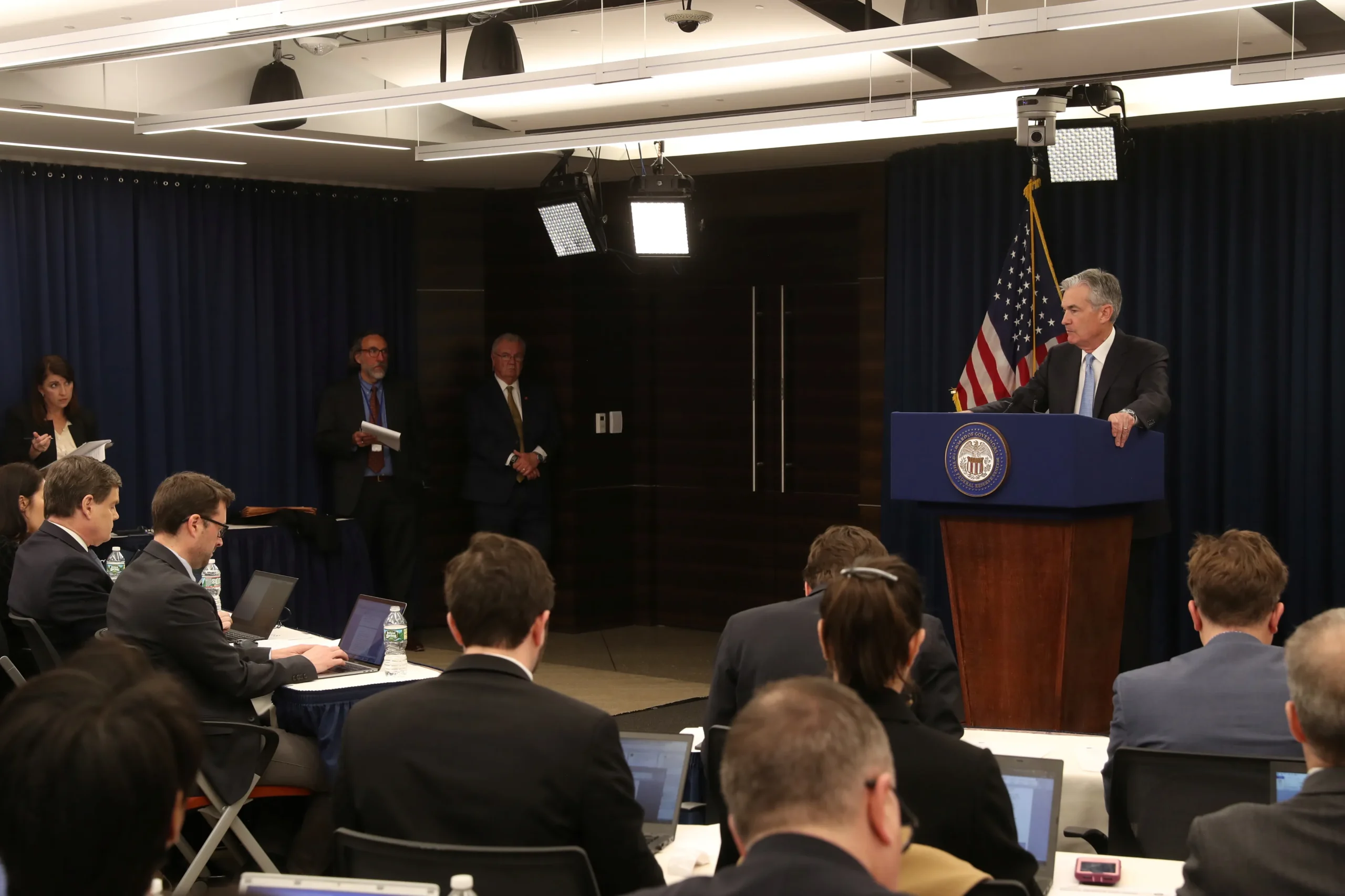
The Fed chain and vice chairs serve fixed four-year leadership terms. They must be confirmed by the Senate separately from their roles as governors. Jerome Powell’s chair term ends in May 2026.
Despite his term as Board member extending to 2028, he hasn’t confirmed future plans. President Trump selected former governor Kevin Warsh as Powell’s intended successor. Thus, a leadership transition at the top is likely soon.
Board of Governors: Terms and Changes
The Board’s governors serve 14-year staggered terms. One term expires every two years, ensuring continuity of experience.
When someone leaves early, their successor fills only the unexpired term. However, successors can still be appointed anew to full terms. This means some governors may serve longer than 14 years.
Importantly, the president cannot remove a governor without “cause”. This legal standard requires clear justification, such as wrongdoing.
Recent board membership includes those confirmed through different administrations. For example, Christopher Waller, Michelle Bowman, and Philip Jefferson are among current governors.
Additionally, Michael Barr resigned as vice chair for supervision but remains a governor. Stephen Miran filled an expiring term in early 2026 awaiting a successor.
Regional Presidents and Their Terms
The twelve regional Federal Reserve banks each have presidents leading them. Unlike governors, these presidents are chosen by private sector directors. However, their selection must receive Board approval.
By law, regional presidents serve terms expiring in years ending in “1” or “6”. Therefore, most of these leaders are scheduled through the 2030s.
For instance, Richmond president Thomas Barkin must leave by January 2028. Similarly, New York and San Francisco presidents exit in mid-2028 and late-2028.
Meanwhile, Minneapolis Fed chief Neel Kashkari can remain until 2038. This variation stems from different appointment ages and rules.
Furthermore, until recently Atlanta Fed president Raphael Bostic planned to resign in February 2026.
Legal Ambiguity Over Removal Power
The law governing removal of regional presidents is unclear. One statute uses the word “cause,” implying a reason is required.
However, another rule allows dismissal “at pleasure” by a bank’s board of directors. This creates uncertainty about who can fire whom and under what conditions.
To date, the Board of Governors has never replaced a regional president before term end. Thus precedents on this issue are limited and untested in court.
Recent Term Renewals and Resignations
In December 2025, the Fed Board renewed terms for 11 of 12 regional presidents. This long renewal extends leaders’ service through the mid-2030s.
Only Raphael Bostic was accepted due to his announced resignation. His departure highlights turnover dynamics within the Fed system.
Future Considerations and Implications
With Powell’s chair term ending soon, leadership choices matter for monetary policy. A new chair can influence interest rate decisions and inflation control.
Political dynamics also shape Fed appointments, as seen in recent nominations and debates. For example, attempts to influence membership have surfaced in broader political discussions.
Thus, current and upcoming departures could affect both central banking independence and economic outlook.
In summary, the Fed faces notable leadership transitions with implications for U.S. monetary governance.
Source:
Wessel, D. (2026, February 5). Who has to leave the Federal Reserve next? Brookings Institution. https://www.brookings.edu/articles/who-has-to-leave-the-federal-reserve-next-2/