
Overview of the Reciprocal Trade Agreement
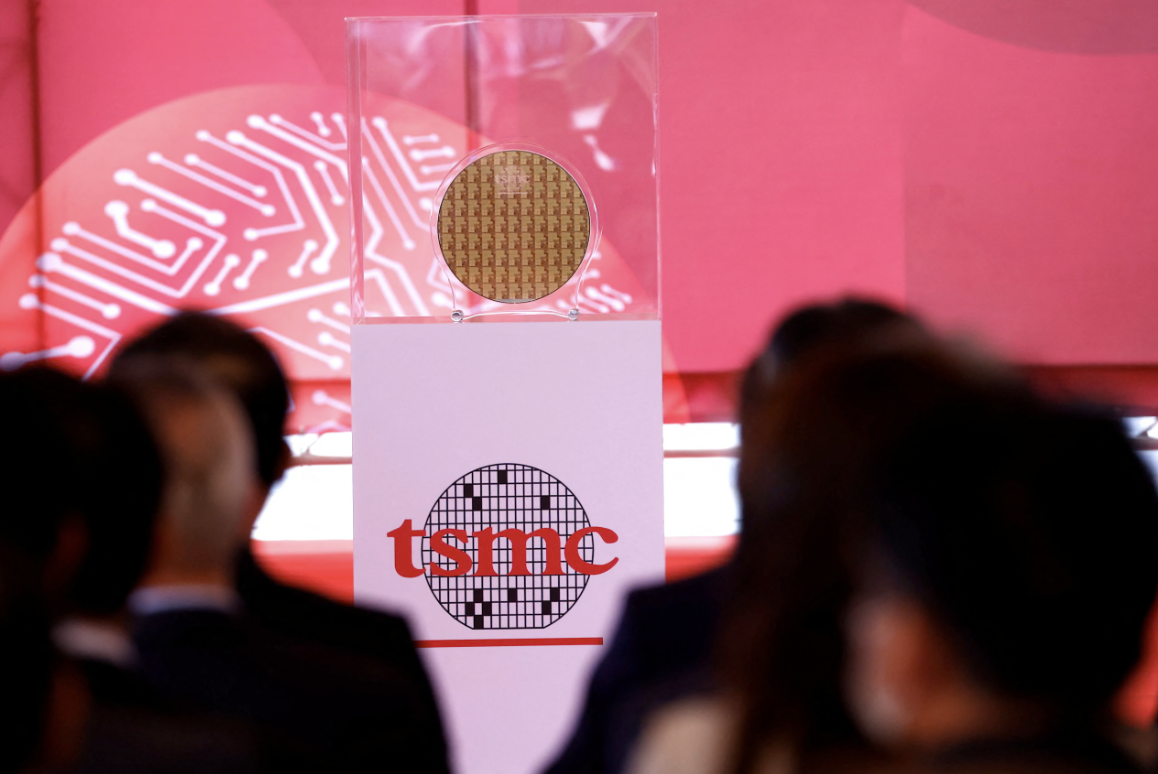
The United States and Taiwan finalized a reciprocal trade pact that cuts tariffs on Taiwan goods and expands market access for U.S. exports. Under its terms, Taiwan agreed to reduce tariffs and non-tariff barriers while firms will commit large investments in U.S: chip making.
Economic Linkages Deepen
Before the agreement, trade between the two soared, with Taiwan emerging as one of America’s top partners. Semiconductors and ICT goods largely fuel this surge, underpinning both industrial and geopolitical stakes.
Expected Benefits of the Pact
First, the deal brings greater predictability to bilateral economic ties. Second, increased Taiwan purchases of U.S. energy and equipment aim to reduce trade imbalances. Third, lower tariffs on key exports should support U.S. industrial, agricultural and energy sectors.
Persistent Trade Imbalances
Despite tariff cuts, Taiwan’s trade surplus with the U.S. is forecast to keep growing. Because of this imbalance trend, the agreement alone may not fulfill deficit-reduction goals.
Manufacturing and Chip Production Challenges
Efforts to reshore semiconductor production to the United States will likely remain uneven. Taiwan’s deep, established chip supply network and higher U.S. production costs complicate relocation.
Concerns Over Dependency
Although reshoring goals persist, reliance on Taiwan chips could further grow with AI and ICT demand. Hence, policymakers will juggle security, supply stability, and economic efficiency in future decisions.
Currency and Competitive Pressures
Debate over Taiwan’s currency policy remains unsolved, as its low New Taiwan Dollar adds pressure on U.S. competitors. Recent joint statements pledge transparency, yet currency management could still strain relations.
Looking Ahead
Overall, the agreement marks a milestone in U.S. – Taiwan economic ties. Nevertheless, deeper issues, such as trade imbalance dynamics, chip supply relocation limits, and exchange-rate policies, will stay on the agenda.
Source:
Sacks, D., & Honig, S. (2026, February 12). U.S.-Taiwan trade agreement leaves major questions open. Council on Foreign Relations. https://www.cfr.org/articles/u-s-taiwan-trade-agreement-leaves-major-questions-open