
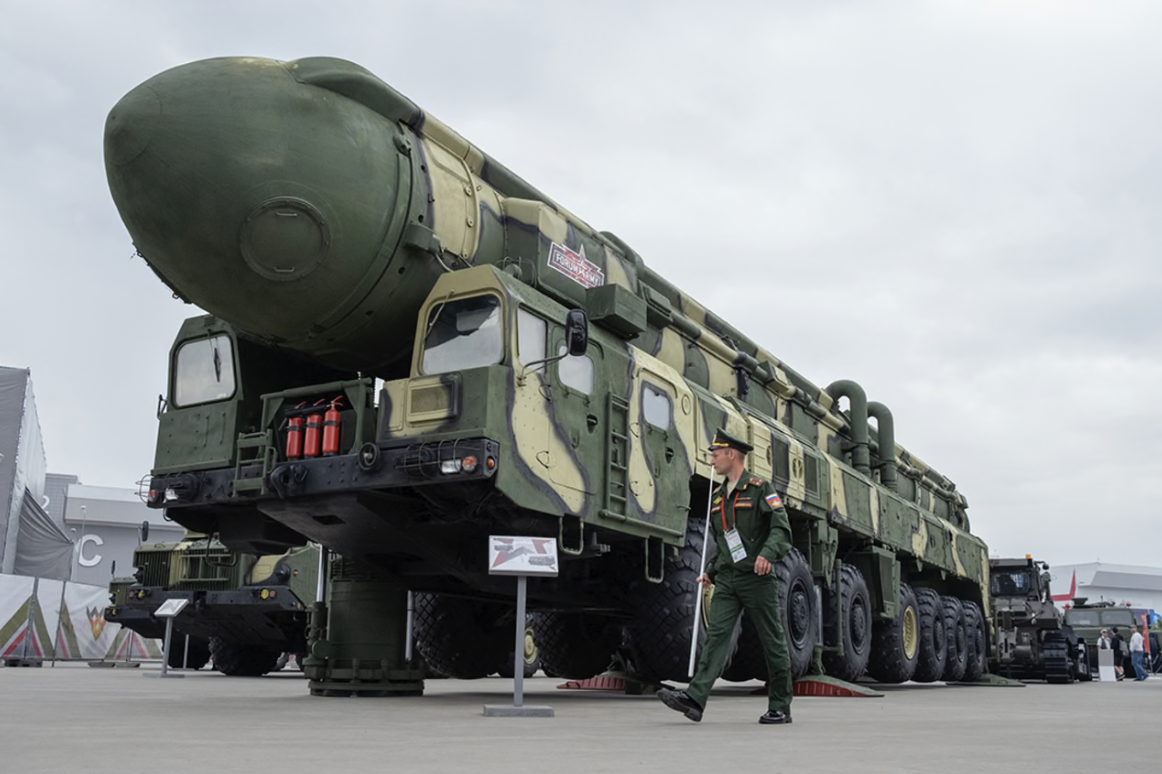
Context and Treaty’s Role
New START, the main nuclear arms control treaty between the United States and Russia, expired on February 5, 2026 after limiting deployed strategic warheads to 1,550 each. Before its end, Russia and U.S. negotiators reportedly discussed preserving limits informally, but public uncertainty grew when Trump dismissed the treaty as poorly negotiated.
Without New START’s inspection and verification rules, early warning and mutual transparency will weaken, increasing Europe’s risk of nuclear misunderstanding or miscalculation.
European Security Vulnerabilities
With the treaty gone, communications channels between Moscow and Washington shrink, eroding stability and confidence in restraint. Europe’s faith in extended nuclear deterrence from the United States has also declined amid doubts about America’s commitment to defend NATO allies.
The shift could prompt proliferation pressures beyond Europe, as states like Japan or South Korea fear a weakened nonproliferation order.
Policy Responses and Debates
Faced with this new reality, many European leaders quietly favor continued arms control limits, seeing limited constraints as better than none. Some are cautious about supporting Russian proposals to temporarily extend New START, balancing political sensitivities with security needs.
At the same time, distrust of U.S. guarantees pushes Europe toward bolstered self-help options, including deeper France-British nuclear cooperation.
Emerging Nuclear Considerations
France and the United Kingdom are considering stronger deterrence roles, though their smaller arsenals cannot yet match U.S. guarantees. Countries such as Germany and Sweden are reportedly open to new nuclear umbrella agreements with Paris and London.
Poland has even hinted at possible independent nuclear development, though such a path would be costly and risk regional escalation.
Broader Strategic Implications
With traditional arms control fraying, NATO cohesion faces new tests as Europeans reassess reliance on external nuclear protection. The collapse of NEW START highlights Europe’s limited leverage over superpower dynamics and deepening questions over its own security strategies.
In this evolving landscape, European states may pursue novel cooperation and defense measures to bolster resilience in the absence of greed U.S. – Russia nuclear limits.
Source:
Reitz, G., & Harris, B. (2026, February 6). Europe faces uncertainty as New START ends. Council on Foreign Relations. https://www.cfr.org/articles/europe-faces-uncertainty-as-new-start-ends