
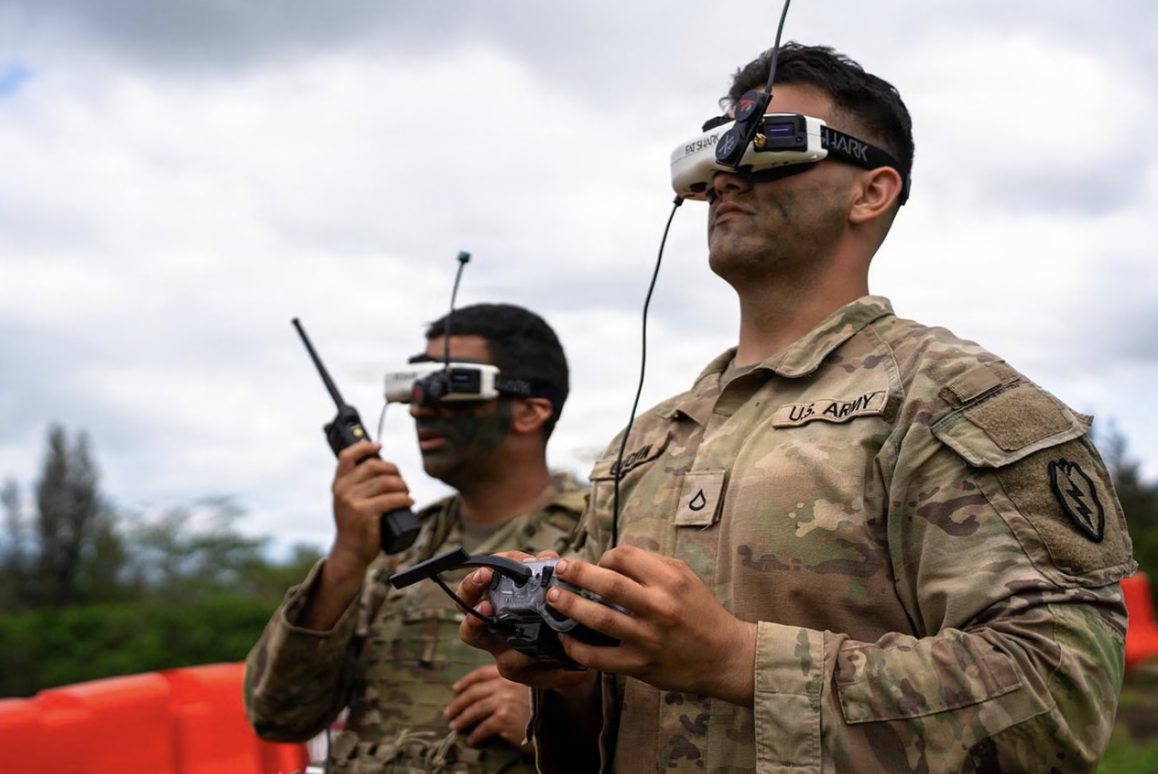
Rising Military AI Deployment
Global militaries are integrating artificial intelligence at accelerating speed operations and systems. Consequently, these deployments increasingly outpace efforts to establish international cooperation or coordinated norms.
Fraying International Consensus
At a recent Responsible AI in the Military Domain summit in Spanish, support for joint commitments declined sharply. In contrast with prior gatherings, neither the United States nor China endorsed the final “Pathways to Action” document.
As a result, only about thirty-five nations backed the latest cooperative outcome.
Geopolitical Shifts and Their Impact
Moreover, geopolitical tensions are reshaping how countries engage with one another on military AI. Uncertainty in alliances, especially among NATO partners, weakens incentives for broad international commitments.
Thus, evolving great-power relations make cooperation more difficult, not easier.
Governance Versus Adoption
Meanwhile, traditional multinational discussions on military AI governance are more at bureaucratic pace. By contrast, militaries are swiftly testing, scaling, and deploying AI tools in conflicts like Israel-Gaza and Russia-Ukraine.
Therefore, policy efforts risk diverging from both technical realities and battlefield use cases.
Risks of Continued Divergence
If cooperation lags further, states could adopt ad-hoc and inconsistent policies for AI use in war. In such a patchwork environment, lessons on safe and effective practices become harder to share. Thus, near-term risks grow alongside the long-term gap between norms and technology.
Middle Powers as Potential Leaders
With the United States and China less engaged, middle powers face strategic choices. Countries like the Netherlands, South Korea, and Spain have steered recent summit processes.
Therefore, these nations might leverage their summit roles to build cooperation and confidence-building mechanisms. If pursued, such leadership could shape pathways for broader, practical norms and capacity building.
Source:
Horowitz, M. C., & Kahn, L. (2026, febrero 11). Military AI adoption is outpacing global cooperation. Council on Foreign Relations. https://www.cfr.org/articles/military-ai-adoption-is-outpacing-global-cooperation