
Energy and Water: A Hidden Burden
Delivering safe water in Europe and Central Asia requires large energy inputs, stressing utility finances and national energy systems. This region uses about 10% of energy bills on water, far above advanced economies.
Rising energy needs for water makes systems vulnerable to energy price shocks and supply disruptions. Sustainable water services require smarter operational and policy choices.
Why Water Uses So Much Energy
First, aging and overbuilt infrastructure drives inefficiency and higher energy demands.
Second, extensive leaks waste large volumes of pumped water, with losses often between 30-60%.
Third, low tariffs for water and electricity weaken incentives to improve efficiency or invest in upgrades.
This combination fuels a cycle of deferred maintenance, rising energy costs, and limited investment capacity.
Paths to More Efficient Systems
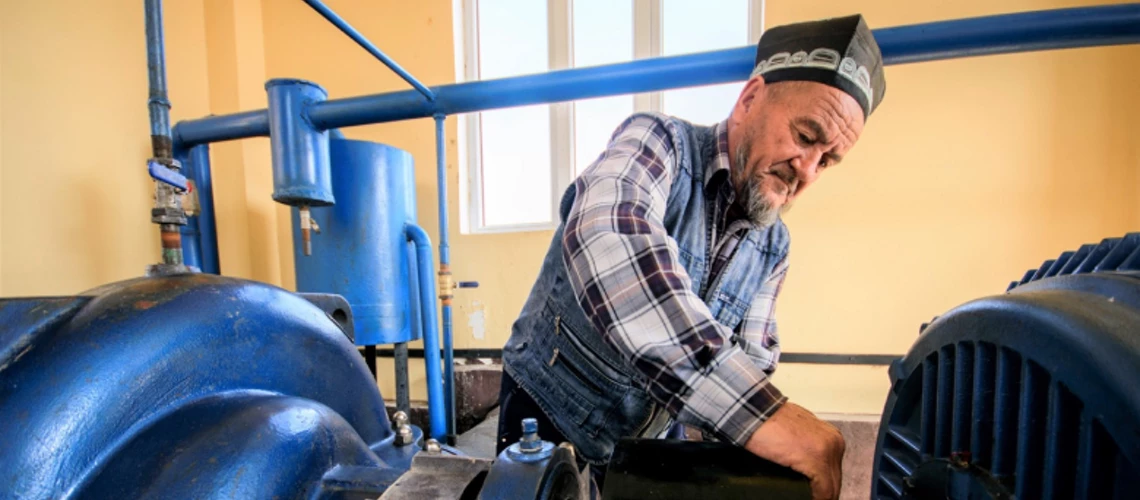
To reduce energy use, utilities can modernize pumps, cut leakage, and introduce better management practices.
Digital tools and improved operations can lower energy costs while boosting service reliability.
Renewables also help; solar canopies reduce evaporation and generate power, while wastewater biogas can fuel treatment plants.
Policy and Pricing Reforms Matter
Technical fixes alone aren’t enough. Cost-reflective pricing can motivate conservation and finance upkeep.
Protective measures ensure access for vulnerable consumers while aligning rates with actual costs.
Energy audits and performance benchmarks can further drive continuous improvements.
Real-World Examples of Progress
In Uzbekistan’s South Karakalpakstan, irrigation modernization cut energy use by tens of millions of kWh.
In Albania, upgraded pumps and leak repairs reduced utility energy consumption substantially.
Türkiye’s utility captures biogas to generate electricity, cutting emissions and energy needs.
In Tajikistan, audits found hundreds of millions of kWh in potential savings from pumping station upgrades.
Why Efficiency Matters Beyond Energy
Enhanced efficiency lowers operating costs and reduces dependency on subsidies. For governments it eases fiscal pressure, strengthens energy security, and supports climate goals. For users, better efficiency often translates to more reliable and higher-quality water services.
Source:
Khan, A. M., & Berlengiero, M. (2026, febrero 9). The hidden cost of water in Europe and Central Asia. World Bank Blogs. https://blogs.worldbank.org/en/water/the-hidden-cost-of-water-in-europe-and-central-asia