
How Beijing Builds Leverage for Indefinite Competition
Zongyuan Zoe Liu | Foreign Affairs, January/February 2026
In China’s Long Economic War, the author argues that Beijing’s strategy toward global competition is not short-term or reactive. Instead, it is structural and sustained. China is building economic leverage designed to endure prolonged rivalry with the United States and other major powers.
Economic Statecraft as Long-Term Strategy
The article explains that China uses economic tools as instruments of geopolitical influence. Trade relationships, infrastructure financing, supply chain positioning, and industrial capacity are not neutral market outcomes. Rather, they are part of a broader strategic framework.
Moreover, Beijing seeks to reduce its own vulnerabilities while increasing others’ dependence. By securing access to critical materials, strengthening domestic production, and expanding external partnerships, China improves its resilience in a fragmented global economy.
Leverage Through Interdependence
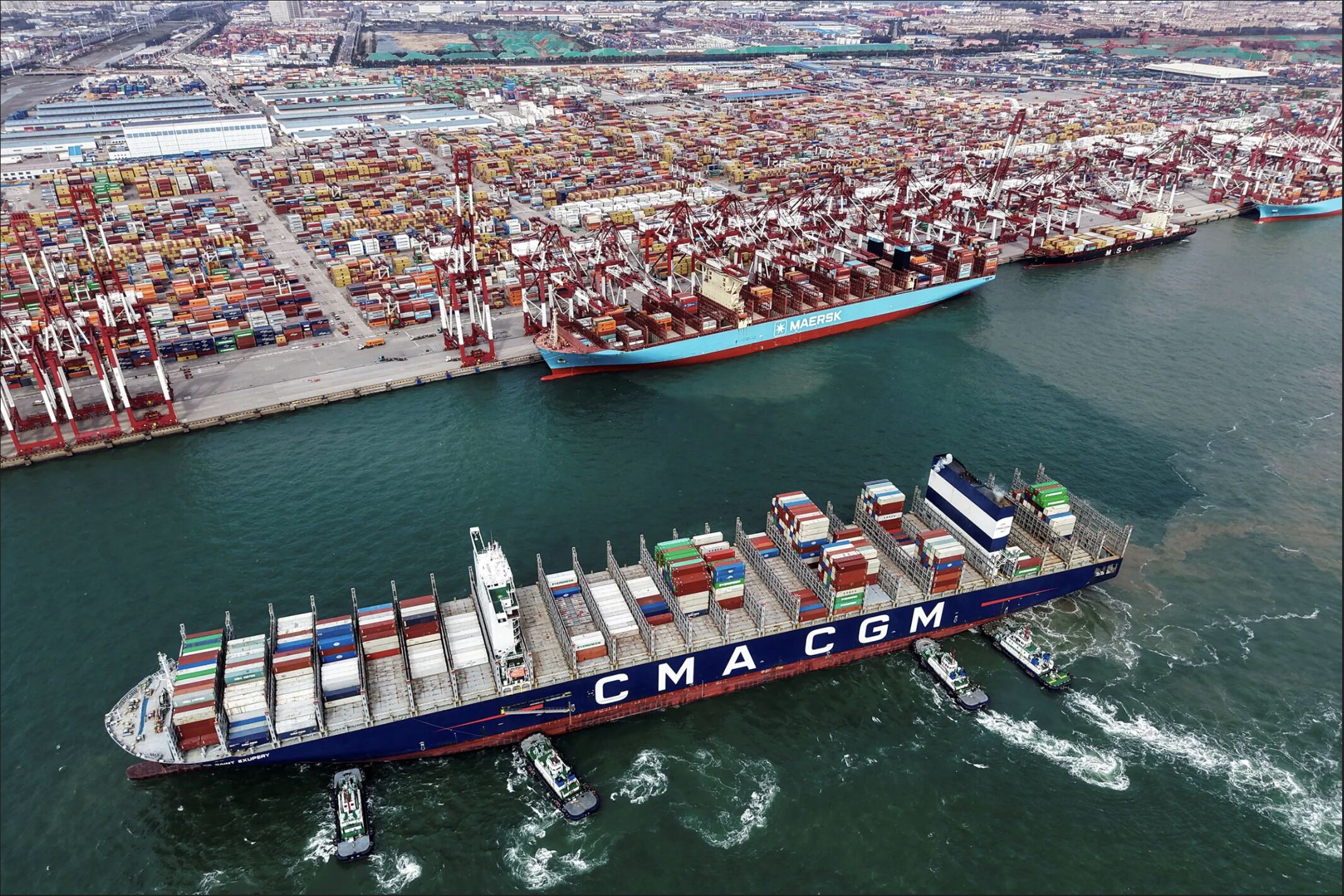
Unlike traditional military confrontation, this competition unfolds through economic interdependence. Supply chains, financial flows, and technology access become channels of influence. As a result, leverage is built gradually and often invisibly.
At the same time, the article emphasizes that this strategy does not aim for immediate dominance. Instead, it prepares China for indefinite competition. The goal is strategic patience combined with accumulated structural advantage.
Implications for Global Competition
The essay argues that economic rivalry will define the next phase of geopolitical contestation. Military strength remains important; however, long-term economic positioning may prove more decisive.
Ultimately, the article frames China’s approach as a sustained campaign rather than a temporary policy shift. Understanding this logic is essential for any state seeking to respond effectively.
Reference
Zongyuan, Z. (2026). China’s long economic war: How Beijing builds leverage for indefinite competition. Foreign Affairs, 105(1). https://www.foreignaffairs.com/