
Drone Use in Criminal Strategy
Carteles first adopted drones for reconnaissance, monitoring law enforcement, rivals, and civilian movement patterns. Furthermore, this use expanded into territorial control and intimidation of local populations.
Since 2020, groups like Cartel Jalisco Nueva Generación deployed drones with primitive explosives into secure compounds. Although precision targeting remains difficult, crashing explosive-laden drones into targets reduces reliance on advanced pilots.
Impact on Violence and Power
Consequently, drones have empowered cartels to strike deep into rival territory without large foot forces. Moreover, carpet bombing rural areas displaced communities and undermined local social structures tied to rival groups.
Thus, aerial drones augment tactical strength and simplify control over contested regions. Already, fear of drone surveillance and attacks influences civilian behavior and communication choices.
Drones and Trafficking
Meanwhile, drones also serve illicit trafficking roles beyond combat applications. For example, they deliver contraband like drugs or cellphones into prisons and over boundaries.
Additionally, expanding payload capabilities make drones viable for wider smuggling corridors. Eventually, drones may bring drugs to end-user access points, increasing distribution efficiency.
Emerging Remote Crime Methods
Likewise, criminal innovation includes marine drones for surface and near-surface contraband transport. These craft may operate clandestinely, blending legal and illegal cargo deliveries at coastal sites.
Over time, commercial drone ubiquity and hacking could blur distinctions between illicit and lawful systems. As a result, attribution and detection will remain major enforcement challenges.
Law Enforcement Responses and Risks
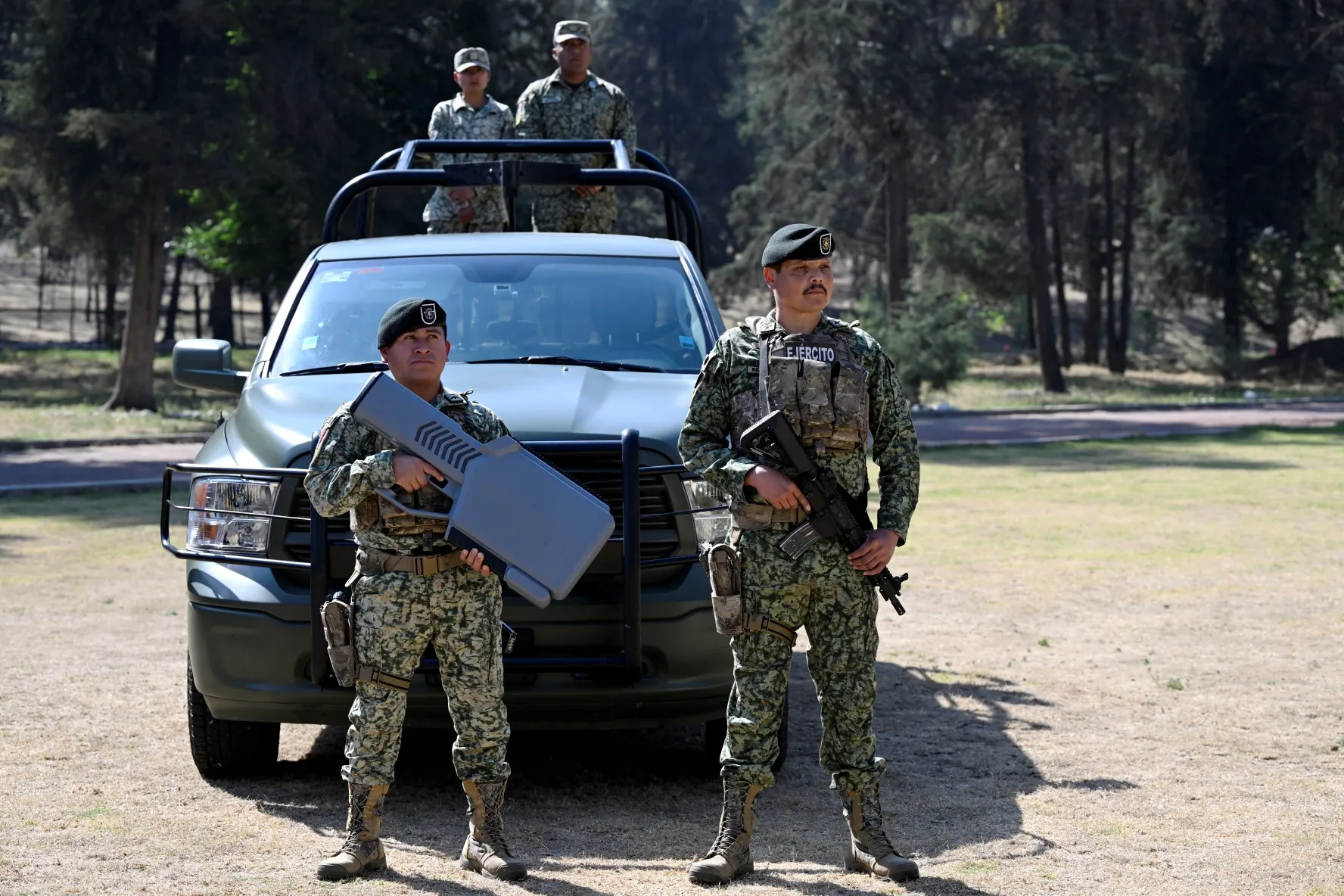
Thus, counter-drone measures such as lasers or spectrum jammers can disrupt civilian airspace. Furthermore, destroying drones carrying drugs risks environmental contamination or opioid exposure.
Conversely, capture systems like net drones could seize contraband and improve intelligence yields. Nonetheless, these interventions will require expensive technology and complex deployment.
Future Criminal Automation
Looking ahead, drones and automation will further reduce labor needs in cartel operations. This shift threatens jobs for fighters and scouts traditionally central to illicit economies.
Simultaneously, increased remote capabilities permit cartels to act across vast distances with fewer personnel. In consequence, law enforcement must innovate technologically to keep peace with evolving drone threats.
Source:
Felbab-Brown, V. (2026, February 18). How Mexican cartels are using drones, now and in the future. Brookings Institution. https://www.brookings.edu/articles/how-mexican-cartels-are-using-drones-now-and-in-the-future/