
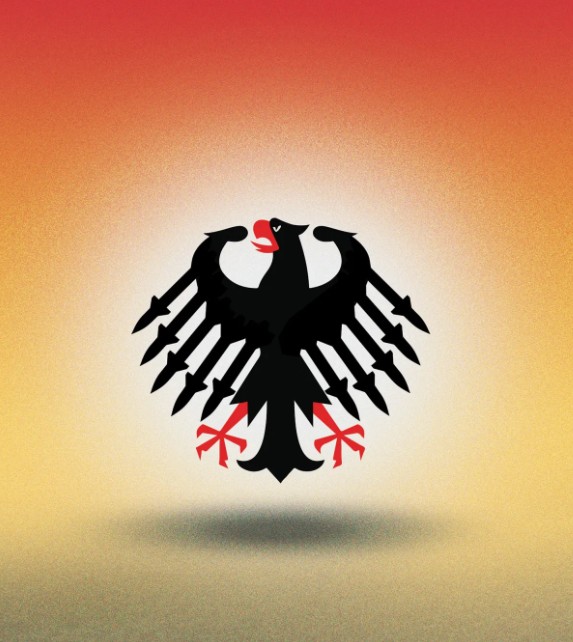
The Perils of German Power
Liana Fix | Foreign Affairs, March/April 2026
German power Europe has become a central question in debates about the continent’s future. In this article, Liana Fix examines whether Germany is emerging as Europe’s dominant actor and what risks accompany that role.
Fix argues that Germany’s economic weight and political influence have expanded significantly within the European Union. As other major powers face internal constraints, Berlin has assumed greater responsibility in areas such as fiscal policy, defense debates, and crisis management. However, increased influence also generates expectations and scrutiny.
German power Europe and structural constraints
One key issue is whether German power Europe can translate economic strength into coherent geopolitical leadership. Germany’s historical experience and domestic political culture shape a cautious approach to military engagement and strategic autonomy.
Moreover, other European states remain wary of dominance by any single power. While Berlin may be indispensable to EU stability, overt hegemony could provoke resistance and fragment consensus.
Leadership, responsibility, and risk
Fix suggests that Germany faces a delicate balance. Leadership requires initiative, yet overreach could undermine European unity. At the same time, underperformance may weaken the continent’s strategic position in a competitive global environment.
Ultimately, the article contends that German power Europe is less about ambition than about responsibility. The future of European cohesion will depend on how Germany exercises influence—whether through coordination and partnership or through reluctant dominance.
Reference
Fix, L. (2026). Europe’s next hegemon: The perils of German power. Foreign Affairs, 105(2). https://www.foreignaffairs.com/