
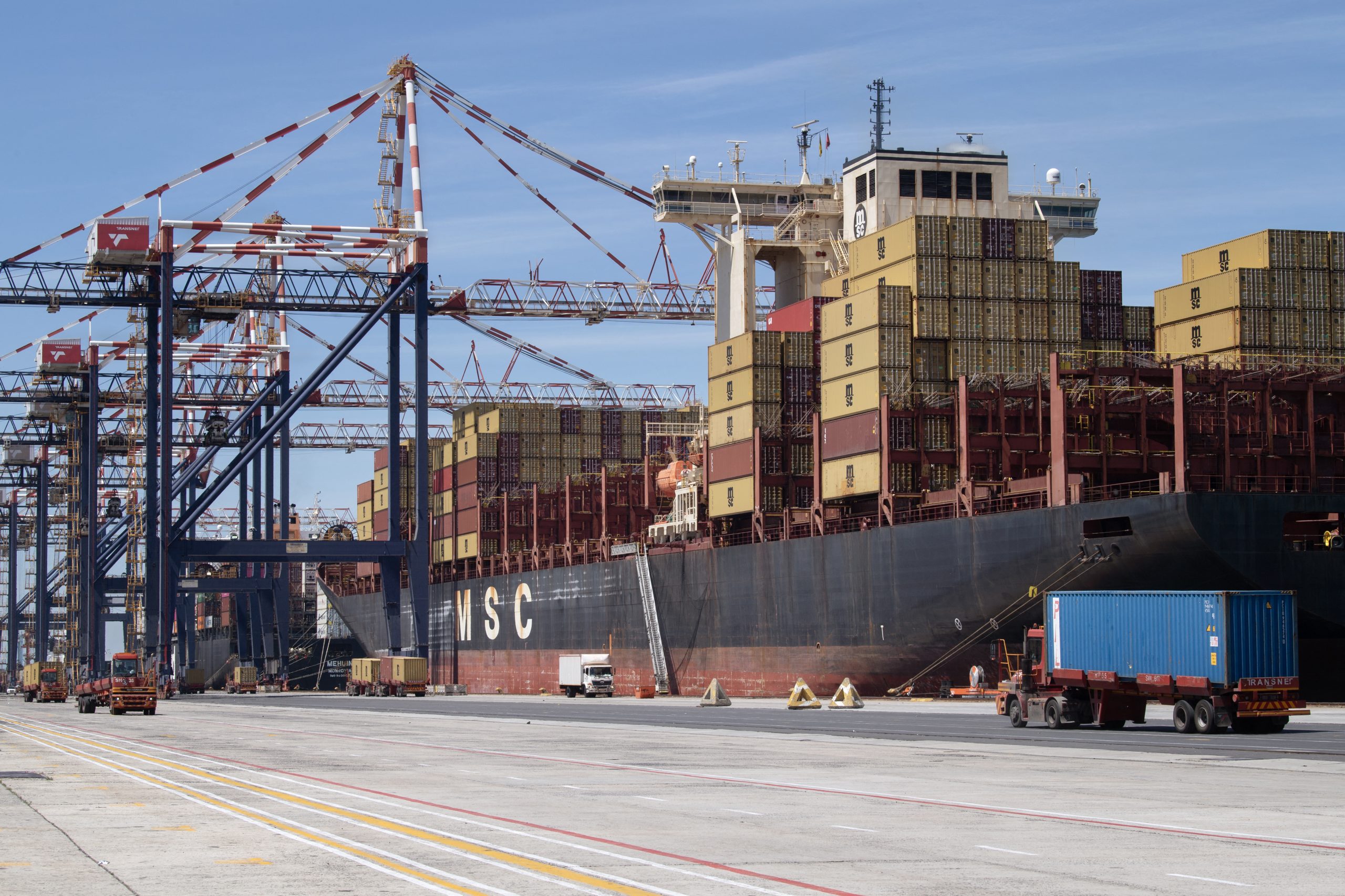
Introduction to US – Africa Trade Engagement
The African Growth and Opportunity Act (AGOA) was created in 2000 to shift U.S. – Africa relations toward trade and investment instead of aid.
AGOA gives eligible African countries duty-free access to the U.S. market for thousands of products beyond general preferences.
Growth and Economic Impact
Since 2001, African exports to the U.S. have increased fourfold, totaling over $480 billion in goods shipped under AGOA.
Kenya’s textile industry expanded dramatically, rising from $55 million in exports in 2001 to $600 million in 2024.
Mutual Benefits for African and U.S. Workers
AGOA supports roughly 450,000 American jobs in logistics, transport, and disruption linked to imports from African partners.
American consumers benefit with about $1 billion in annual savings on goods imported under the trade program.
Broader U.S. – African Trade Strategy
Stakeholders are calling for a long-term trade framework that offers greater certainty for investment and supply chain planning.
This framework could leverage the African Continental Free Trade Area (AfCFTA) and new bilateral initiatives such as the U.S.-Kenya trade negotiations.
Value Addition and Regional Integration
Although African exports still include raw commodities, non-commodity exports under AGOA have grown, showing progress toward higher value-added trade.
The AfCFTA can strengthen regional value chains, allowing intermediate goods like textiles and components to circulate within Africa before export.
Challenges and Future Opportunities
Many participants want AGOA reviewed less frequently to provide stability for long-term investments.
There is also interest in expanding trade cooperation into services, digital trade, and critical minerals.
Source:
Signé, L., Kirigua, C., & Liser, F. (2026, febrero 25). Toward a new era for US-Africa trade. Brookings. https://www.brookings.edu/articles/toward-a-new-era-for-us-africa-trade/