
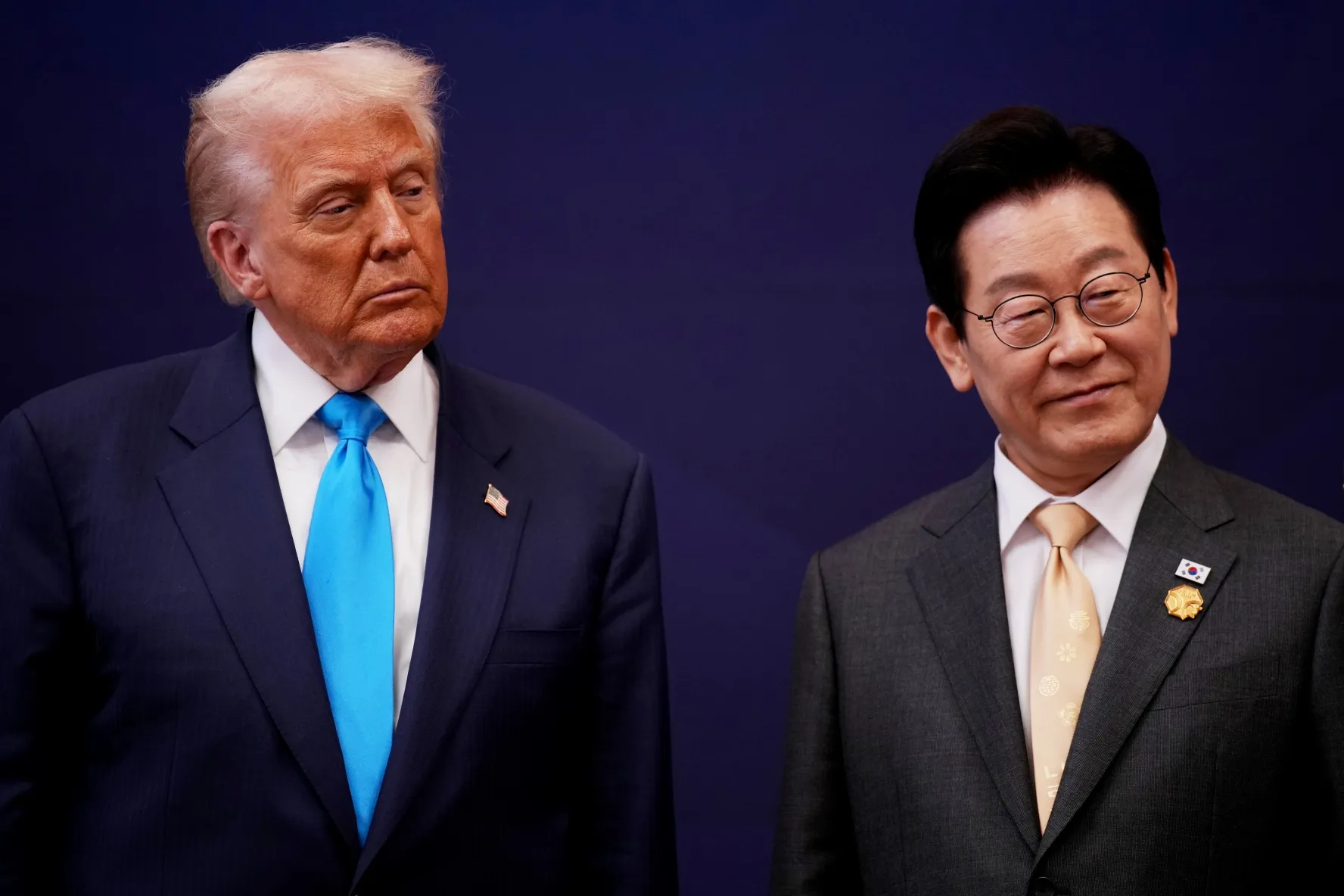
Strategic Context
First, intensifying strategic competition between the United States and China reshapes the economic environment in East Asia. Consequently, middle powers such as South Korea must manage economic ties while navigating geopolitical rivalry.
Moreover, economic interdependence between major economies complicates policy choices. Although full economic decoupling remains unlikely, selective separation in strategic sectors increasingly shapes trade and technology policies.
Importance of the US – ROK Economic Partnership
Meanwhile, economic relations between the United States and South Korea form a central pillar of their broader alliance. Trade, investment, and technology cooperation reinforce both economic growth and regional stability.
Furthermore, strong bilateral economic ties support a rules-based system in Asia. This framework historically enabled regional growth and encouraged open markets and predictable economic rules.
Source of Uncertainty
However, growing uncertainty affects the bilateral economic relationship. Rapid shifts in U.S. trade policy, geopolitical tensions, and technological competition complicates long-term planning for both countries.
Additionally, China’s expanding economic influence increases strategic pressure. Many Asian economies rely heavily on Chinese markets, creating dilemmas when balancing economic dependence and security partnerships.
At the same time, inconsistent engagement by the United States weakens coordination with allies. Without a clear regional economic strategy, collective response to share challenges become more difficult.
Opportunities for Cooperation
Nevertheless, uncertainty also creates opportunities for deeper collaboration. The United States and South Korea can strengthen supply-chain resilience, especially in advanced industries and emerging technologies.
Similarly, cooperation on economic security can protect critical sectors such as semiconductors, energy technologies, and digital infrastructure. Such coordination reduces vulnerabilities to external pressure.
Strengthening Regional Economic Architecture
Therefore, both countries benefit from supporting a rules-based regional economic order. Multilateral cooperation and trade frameworks help preserve stability and limit coercive economic practices.
Finally, sustained U.S. – ROK coordination can reinforce economic resilience in the Indo-Pacific. By aligning policies and deepening partnerships, both countries can better navigate geopolitical and economic uncertainty.
Source:
Ahn, D., Cha, V., & Yeo, A. (2026, March 6). Navigating uncertainty in US-ROK economic ties. Brookings Institution. https://www.brookings.edu/articles/navigating-uncertainty-in-us-rok-economic-ties/