
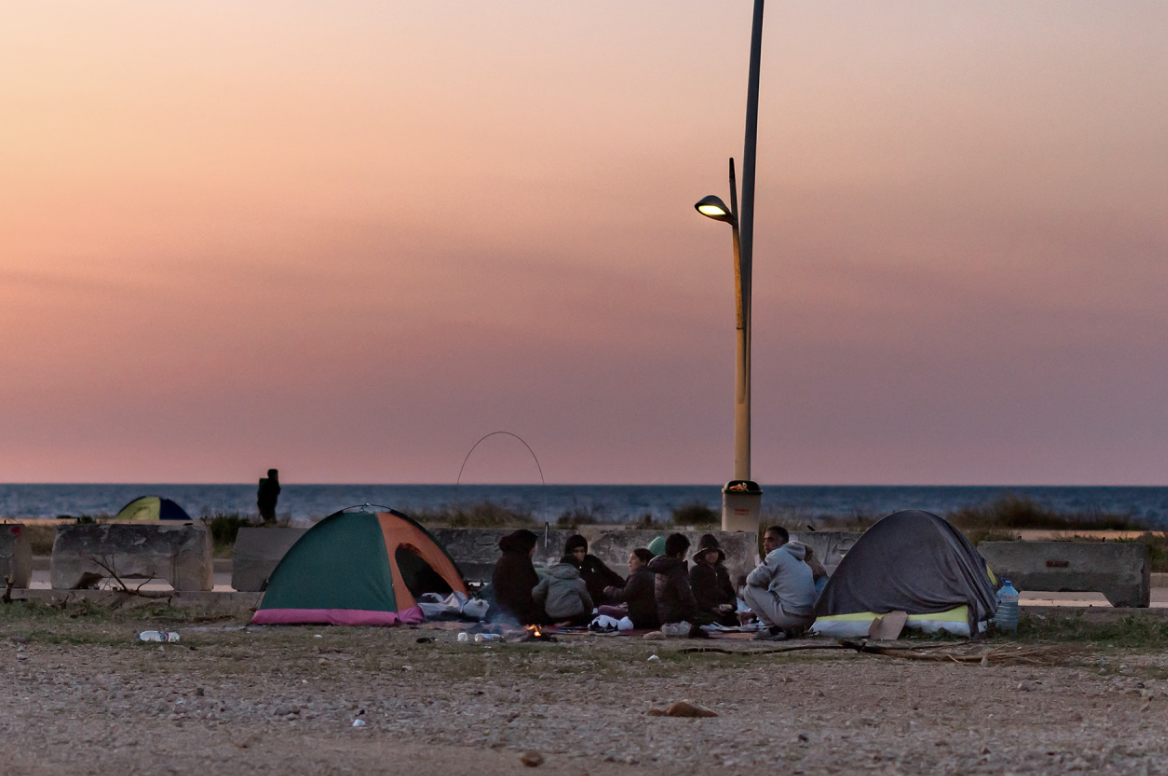
Global Humanitarian Aid Under Pressure
Initially, the war in Iran has severely disrupted global humanitarian aid systems. Consequently, supply chains for disaster relief have slowed while transportation routes have become increasingly uncertain.
At the same time, rising oil prices have increased the cost of delivering assistance. Therefore, humanitarian organizations face higher operational expenses and reduced capacity to respond to crises.
Disrupted Logistics and Aid Corridors
First, critical logistics hubs and shipping routes across the Middle East have been affected by insecurity and military activity. As a result, humanitarian supplies struggle to reach conflict-affected regions.
Moreover, airspace closures and maritime disruptions delay deliveries of food, medicine, and emergency equipment. Consequently, aid shipments remain stuck in logistics centers and ports.
Rising Global and Economic Shock
Meanwhile, global markets react strongly to the conflict. Higher fuel prices increase transportation costs, which directly raises the price of humanitarian operations worldwide.
In addition, currency fluctuations and economic instability weaken the purchasing power of developing countries. Therefore, vulnerable populations face greater food insecurity and inflation.
Consequences for Existing Humanitarian Crises
Subsequently, ongoing humanitarian emergencies in places such as Gaza, Sudan, and parts of Africa receive delayed or reduced assistance. Thus, communities already facing famine or conflict become even more vulnerable.
Furthermore, shortages of fertilizers and agricultural inputs risk worsening food production problems in fragile regions. Consequently, the conflict indirectly threatens global food security.
Funding Shortfalls and Aid System Strain
At the same time, humanitarian organizations confront declining financial support from donor countries. Therefore, agencies must prioritize the most urgent crises while scaling back other programs.
Additionally, the combined effects of conflict, economic disruption, and reduced funding create systemic pressure on the global aid system. Thus, the humanitarian response capacity weakens worldwide.
A Compounding Global Humanitarian Crisis
Ultimately, the war’s consequences extend far beyond the battlefield. As disruptions spread through supply chains, finance, and logistics, humanitarian assistance becomes slower, costlier, and less reliable.
Consequently, millions of vulnerable people across multiple regions face worsening conditions, illustrating how a regional war can destabilize global humanitarian relief efforts.
Source:
Slim, H. (2026). The Iran war is breaking global humanitarian aid efforts. Council on Foreign Relations. https://www.cfr.org/articles/the-iran-war-is-breaking-global-humanitarian-aid-efforts