
A Global Energy Supply Shock
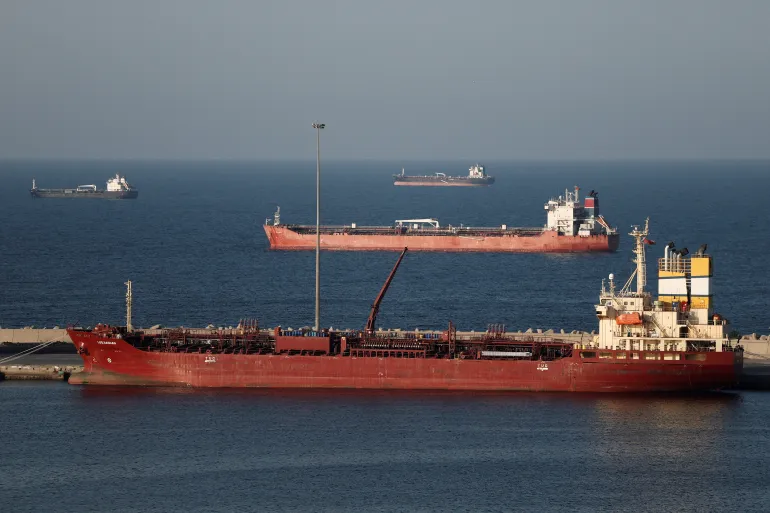
As of mid-March 2026, global oil prices have remained stubbornly above $100 a barrel, fueled by Iran’s effective blockade of the Strait of Hormuz. Following the U.S.-Israeli strikes on Iranian territory in late February, Tehran responded by utilizing its “geographic advantage” to halt tanker traffic through the world’s most critical maritime chokepoint. Consequently, Brent crude—the international benchmark—surged from $67 to a peak of $119 per barrel within days, before stabilizing at its current high. This disruption affects approximately 20% of the world’s daily petroleum liquids consumption, triggering what energy analysts are calling the most significant supply disruption in modern history, surpassing even the 1973 oil crisis in terms of immediate market impact.
Origins and the Tactical Logic of the Blockade
Originally, the Strait of Hormuz was viewed as a “red line” that Iran would only close in an existential scenario; that threshold was crossed with the 2026 military escalation. The Al Jazeera report indicates that the origin of this “stranglehold” lies in Iran’s asymmetric warfare doctrine, which seeks to offset American military superiority by targeting the global economy’s jugular vein. By mining the shipping lanes and utilizing swarming speedboat tactics and coastal missile batteries, Iran has forced maritime insurers to withdraw coverage, effectively freezing commercial transit. Furthermore, the 400-million-barrel emergency reserve release by the International Energy Agency (IEA) has failed to cool the market, as traders realize that such reserves can only compensate for the blocked 15 million barrels per day for a limited duration.
Structure of Economic Fallout and Market Volatility
The structure of the current crisis is organized around a “cascading effect” that extends far beyond fuel prices. Specifically, the blockade has trapped nearly 250 million barrels of oil within the Persian Gulf, leading to a storage crisis for exporters like Saudi Arabia, Kuwait, and the UAE, who may soon be forced to shut down production fields entirely. Moreover, the report highlights the immediate impact on Asian economies—particularly China, India, and Japan—which depend on the Strait for over 75% of their crude imports. This structured scarcity has led to record-high inflation forecasts and “force majeure” declarations on LNG contracts, as the global energy market grapples with a deficit that cannot be filled by non-OPEC producers like Russia or the United States in the short term.
Synthesis of Geopolitical Leverage and Energy Transition
The successful resolution of this crisis relies on a synergy between high-stakes diplomacy and the physical reopening of the waterway, a task that the U.S. Navy has yet to undertake due to the high risk of further escalation. This objective is essential to prevent a global recession that could tip fragile economies into prolonged stagflation. Simultaneously, there is a clear intent by Tehran to use this economic pain to force a cessation of U.S.-Israeli military operations, turning global trade into a “geopolitical hostage.” Ultimately, the March 2026 oil surge provides a stark roadmap for the future of warfare, where the ability to control a 21-mile-wide strip of water can effectively paralyze the most powerful economies on Earth.
Reference
Al Jazeera. (2026, March 13). Oil stays above $100 a barrel amid Iran’s stranglehold on Strait of Hormuz. Al Jazeera News. https://www.aljazeera.com/economy/2026/3/13/oil-stays-above-100-a-barrel-amid-irans-stranglehold-on-strait-of-hormuz