
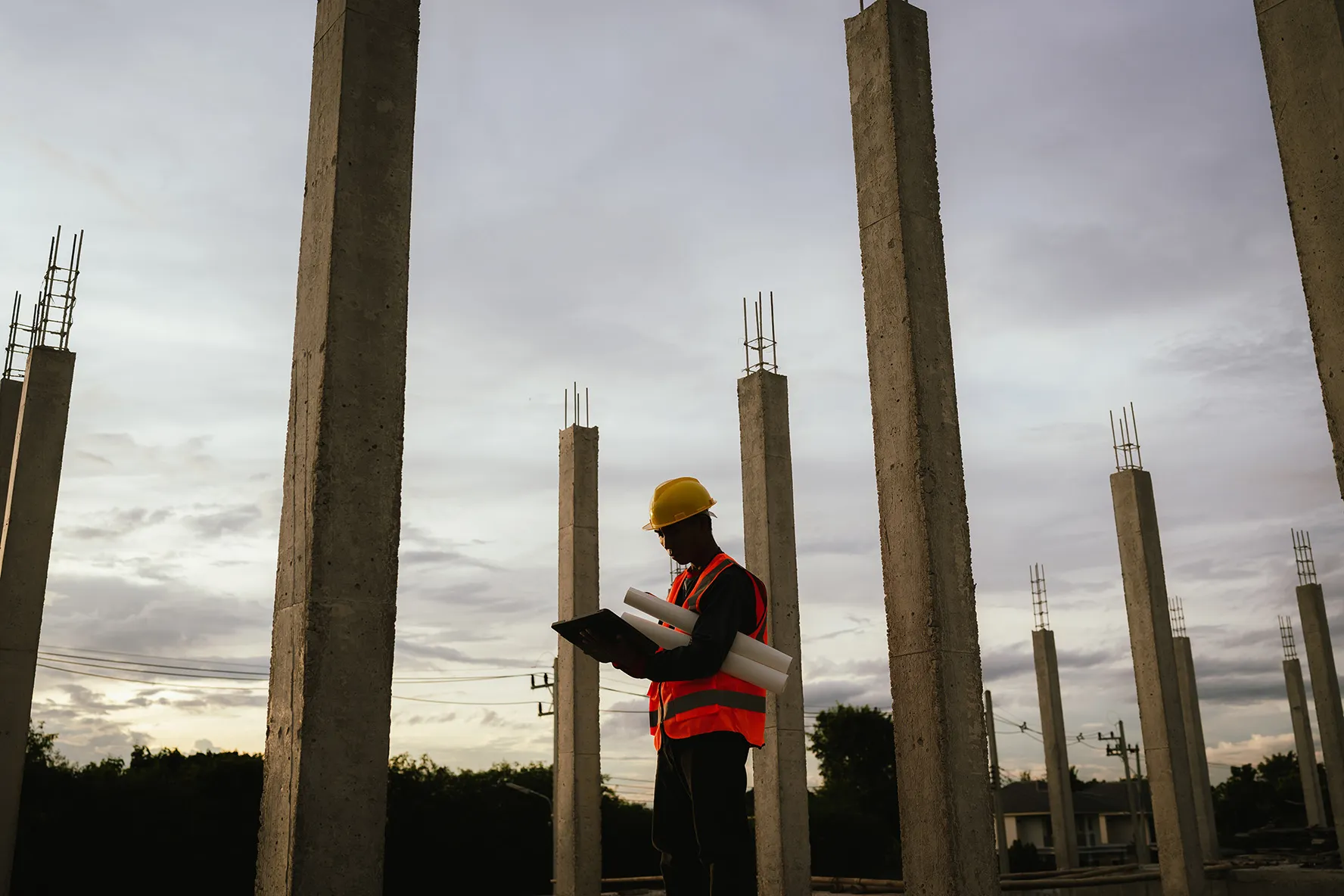
Context of the Built Environment
First, infrastructure systems such as transportation, energy, water, broadband, and buildings require millions of workers to construct, operate, and maintain essential facilities.
Meanwhile, aging infrastructure, climate pressures, and rising energy demand intensify the need for repairs, upgrades, and resilient systems across the built environment.
Workforce Opportunity and Challenges
However, workforce systems struggle to prepare enough workers for these jobs because training pathways remain fragmented across industries, locations, and institutions.
At the same time, many workers face barriers to gaining flexible training, credentials, and experience needed to enter or advance in infrastructure careers.
Beyond the “Green Jobs” Narrative
Traditionally, workforce discussions emphasize “green jobs,” particularly in clean energy and environmental sectors.
Nevertheless, this narrow focus overlooks the broader built environment workforce supporting transportation systems, utilities, buildings, and other infrastructure assets.
Consequently, many occupations cannot be clearly categorized as green or non-green because environmental tasks increasingly overlap with traditional infrastructure work.
Importance of Skills Instead of Job Labels
Therefore, leaders increasingly emphasize “skills” rather than job categories when preparing workers for evolving infrastructure demands.
These skills combine technical knowledge, STEM capabilities, digital tools, and essential soft skills such as communication and management.
Moreover, workers often integrate new environmental and technological skills into existing occupations instead of shifting to entirely new professions.
Skills-First Hiring and Credentials
Increasingly, employers are adopting skills-first hiring practices that prioritize demonstrated competencies rather than specific degrees.
Similarly, credentials such as certifications, licenses, apprenticeships, and micro-credentials help workers signal relevant experience across multiple infrastructure sectors.
Nevertheless, the proliferation of credentials creates confusion because programs vary widely in cost, recognition, and accessibility.
Role of Key Workforce Actors
Furthermore, expanding infrastructure skills requires collaboration among employers, educational institutions, government agencies, community organizations, and labor groups.
However, these actors frequently operate independently, limiting coordinated training strategies and slowing workforce development efforts.
Blending Training With Work Experience
Consequently, many leaders emphasize combining formal credentials with work-based learning opportunities such as apprenticeships and on-the-job training.
This approach helps workers develop practical skills while employers gain a reliable pipeline of qualified talent.
Need for Scalable and Portable Skills
At the same time, infrastructure careers require skills that remain portable across industries, geographic regions, and project types.
Standardized curricula, shared data, and clearer skill definitions could improve workforce mobility and training scalability nationwide.
Upskilling and Risking Workers
Additionally, workforce systems must support both early-career workers and experienced employees transitioning into new infrastructure roles.
Upskilling and reskilling programs help workers adapt to evolving technologies, climate initiatives, and digital tools shaping infrastructure projects.
Local Experimentation and Collaboration
Meanwhile, place-based initiatives and regional training programs demonstrate how coordinated efforts can connect employers, educators, and communities.
Such experimentation enables tailored workforce strategies aligned with local infrastructure projects and labor market needs.
Enduring Demand for Built Environment Careers
Ultimately, infrastructure systems will continue requiring skilled workers despite policy shifts, technological change, and evolving environmental priorities.
Therefore, durable career pathways in the built environment depend on coordinated training systems, transferable skills, and long-term workforce investment.
Source:
Kane, J. W. (2026, January 15). Exploring and expanding skills development across the built environment. Brookings Institution. https://www.brookings.edu/articles/exploring-and-expanding-skills-development-across-the-built-environment/