
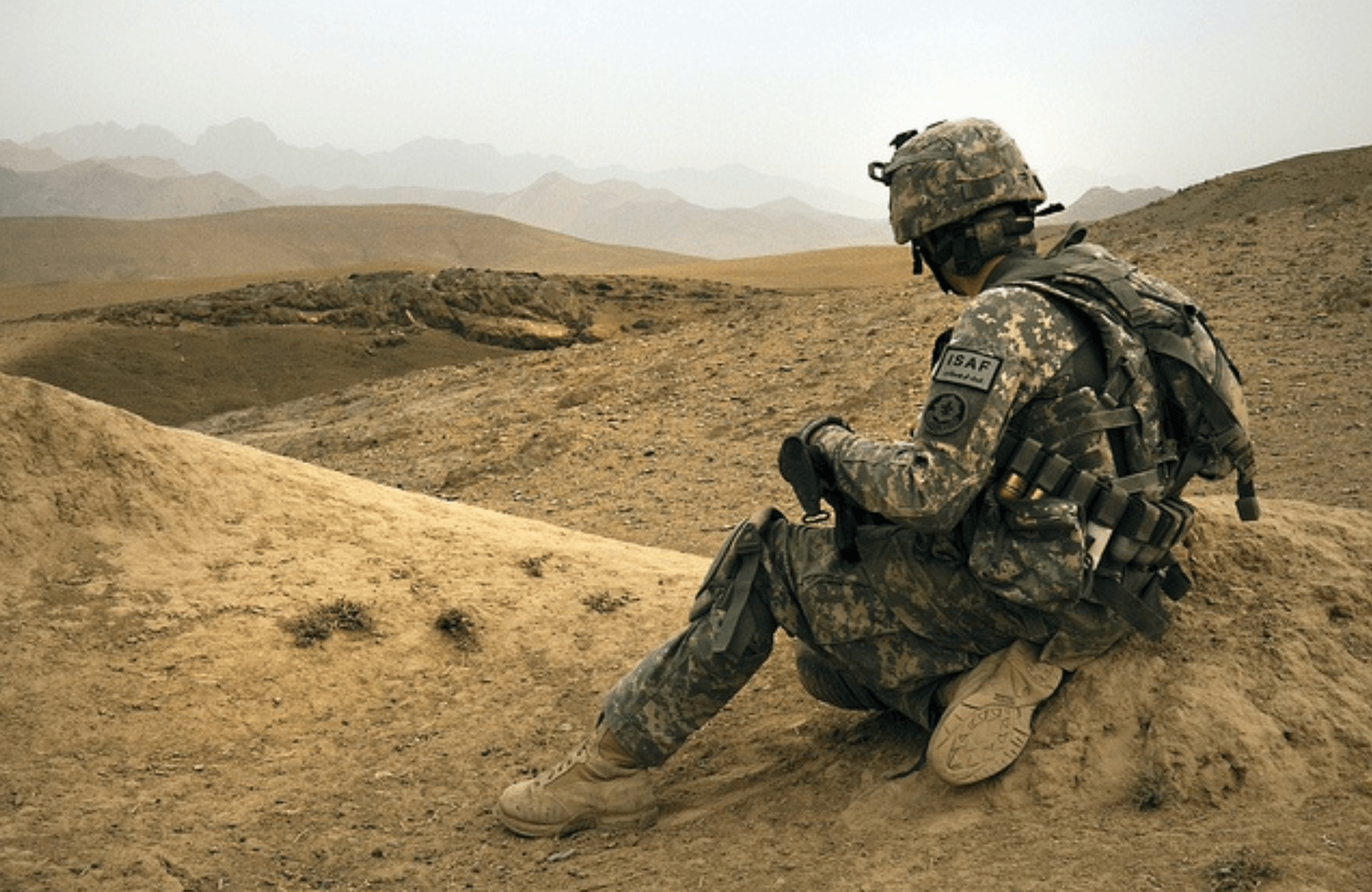
Historical Context of U.S. Involvement
First, Afghanistan dominated U.S. foreign policy debates during the earlier presidency of Donald Trump. The administration negotiated a 2020 agreement with the Taliban to withdraw American troops.
Subsequently, the withdrawal was implemented under Joe Biden in 2021. The chaotic evacuation and a deadly airport attack later became central criticisms during the 2024 presidential campaign.
Afghanistan Fades From U.S. Attention
However, after the election, Afghanistan again disappeared from the political spotlight. Despite limited media attention, U.S. policy decisions continue shaping the country’s humanitarian and political trajectory.
Deep Humanitarian Crisis
Meanwhile, Afghanistan faces severe humanitarian conditions following the Taliban takeover in 2021. Sanctions, frozen reserves, and declining international aid collapsed liquidity and pushed millions toward extreme poverty.
Consequently, more than half of the population requires humanitarian assistance every year. International organizations repeatedly launch large emergency funding appeals to sustain basic survival.
Reduction of U.S. Humanitarian Assistance
Nevertheless, the second Trump administration drastically reduced U.S. participation in global humanitarian systems. Afghanistan, heavily dependent on international aid, suffers particularly severe consequences.
Earlier U.S. support had exceeded $3.8 billion since 2021. Yet new policy decisions aim to reduce American aid flows to Afghanistan to nearly zero.
Ending Food and Health Support
Furthermore, the government ended funding for programs operated by the World Food Program in Afghanistan. Officials justified the decision by claiming aid could indirectly benefit the Taliban.
However, terminating assistance threatens essential services and food programs. Millions may lose support, including hundreds of thousands of malnourished children and mothers.
Refugee and Immigration Restrictions
Additionally, the administration refuses to extend Temporary Protected Status for more than 9,000 Afghans already living in the United States. This status previously allowed people from crisis regions to remain legally.
At the same time, relocation programs for Afghan allies approved for Special Immigrant Visas have been halted. Refugee admissions through U.S. programs have also been paused.
Consequences for Afghan Allies
Therefore, Afghans who worked with U.S. institutions face increasing uncertainty. Many remain stranded abroad or in dangerous conditions despite earlier approval for resettlement.
Broader Implications
Ultimately, the current policy direction reflects disengagement from Afghanistan. Reduced humanitarian assistance and refugee pathways may deepen economic collapse and worsen humanitarian suffering.
Source:
Lawfare. (2026). The second Trump administration turns a blind eye to Afghanistan. https://www.lawfaremedia.org/article/the-second-trump-administration-turns-a-blind-eye-to-afghanistan