
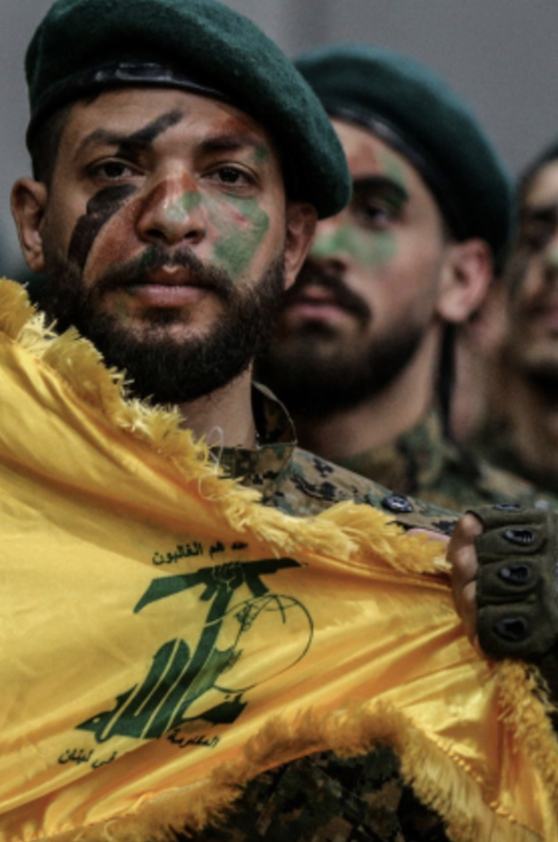
Origins and Formation
First, Hezbollah emerged during the Lebanese Civil War (1975 – 1990), when Shiite militants organized to resist Israeli presence and Western influence in the region.
Soon afterward, Iran and its Islamic Revolutionary Guard Corps provided funding, training, and ideological guidance, helping transform the militia into a powerful regional proxy.
Consequently, the organization adopted the name Hezbollah, meaning “Party of God,” and promoted a resistance ideology rooted in Shiite Islam and loyalty to Iran’s supreme leader.
Ideology and Objectives
Moreover, a 1985 manifesto declared goals to expel Western powers from Lebanon and ultimately destroy the Israeli state.
At the same time, the movement framed itself as a resistance organization defending Lebanese sovereignty and promoting self-determination for its population.
Political Role in Lebanon
Meanwhile, Hezbollah gradually integrated into Lebanese politics, entering parliament in 1992 and later holding cabinet positions in the national government.
In addition, it built a vast network of social services, including schools, health facilities, and infrastructure projects, which expanded its support among various Lebanese communities.
Nevertheless, the group is often described as a “state within a state” because it maintains independent military power beyond the authority of the Lebanese government.
Leadership and Organization
For decades, the organization was led by Hassan Nasrallah, a founding figure who strengthened Hezbollah’s military capabilities and regional influence.
However, he was killed in an Israeli airstrike in 2024, dealing a major blow to the group’s leadership structure.
Military Capabilities
Furthermore, Hezbollah developed one of the most powerful non-state armed forces in the world, with tens of thousands of fighters and a vast missile arsenal.
Estimates in 2024 suggested it possessed roughly 150,000–200,000 rockets and missiles of varying ranges.
Most of its weapons, training, and funding come from Iran, while additional support has come from the Syrian government and other financial networks.
International Designations and Controversy
Because of attacks on foreign targets and its militant activities, the United States and many other countries classify Hezbollah as a terrorist organization.
Nevertheless, some governments distinguish between its political and military wings, reflecting ongoing debate over how to treat the group internationally.
Recent Regional Conflict
More recently, tensions with Israel intensified following the Gaza war that began in 2023, leading to escalating cross-border clashes.
Subsequently, fighting expanded again in 2026 when Hezbollah launched strikes against Israel after a U.S.–Israeli campaign against Iran.
Source:
Council on Foreign Relations. (2024, October 29). What is Hezbollah? https://www.cfr.org/backgrounder/what-hezbollah