
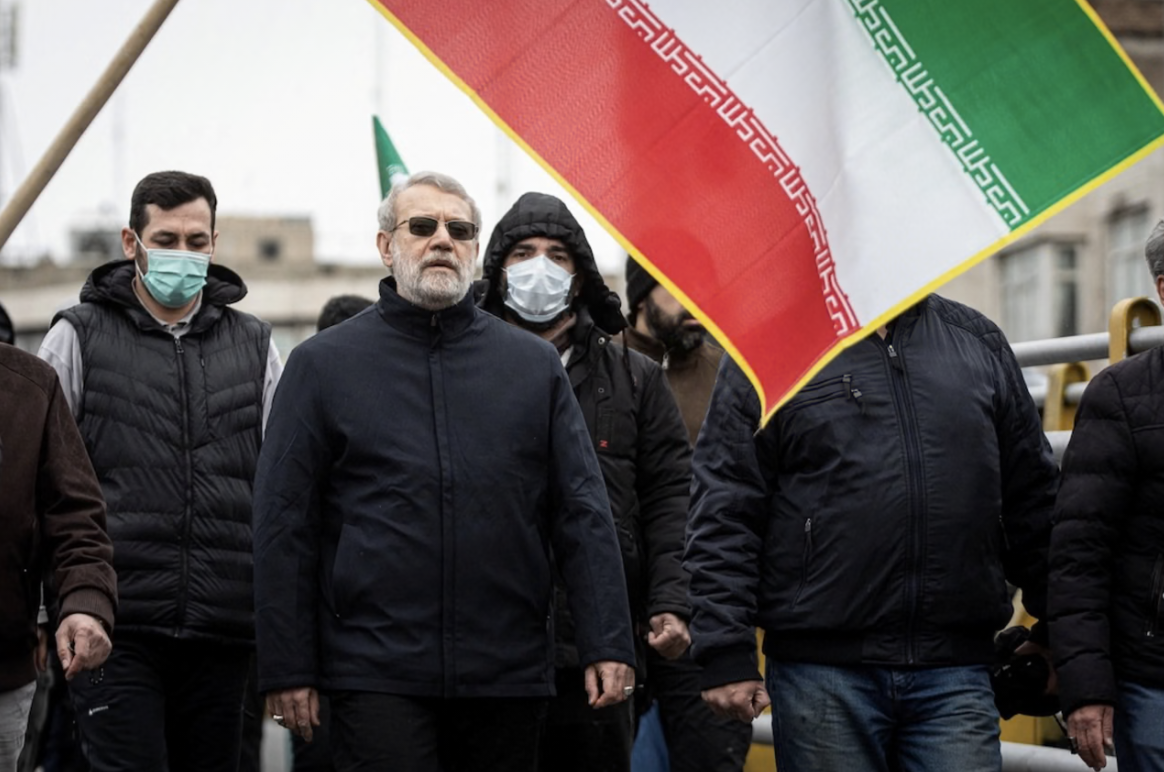
Escalation of Targeted Killings
Firstly, Israel intensified its campaign by striking senior Iranian leaders, aiming to weaken the country’s political and military command structure.
High – Profile Casualities
Moreover, Israeli officials claimed the killing of top security figure Ali Larijani and militia commander Gholam Reza Soleimani, though Iran did not immediately confirm.
Strategic Objective
Consequently, these attacks seek to destabilize Iran’s leadership, potentially encouraging internal unrest and reducing the regime’s ability to coordinate responses.
Broader War Context
Meanwhile, the strikes occur within a wider conflict following earlier large-scale attacks that already targeted Iran’s top leadership and military infrastructure.
International Reactions
However, U.S. allies such as France, Germany, and the United Kingdom militarily refused to participate, signaling growing international reluctance to escalate the conflict.
U.S. Isolation
As a result, the United States faces increasing diplomatic isolation, with partners distancing themselves from direct involvement in the war.
Regional Implications
Finally, the targeting of leadership raises risks of further escalation, prolonging the conflict and increasing uncertainty across the Middle East.
Source:
Council on Foreign Relations. (2026). Israel targets Iranian leaders. https://www.cfr.org/articles/israel-targets-iranian-leaders