
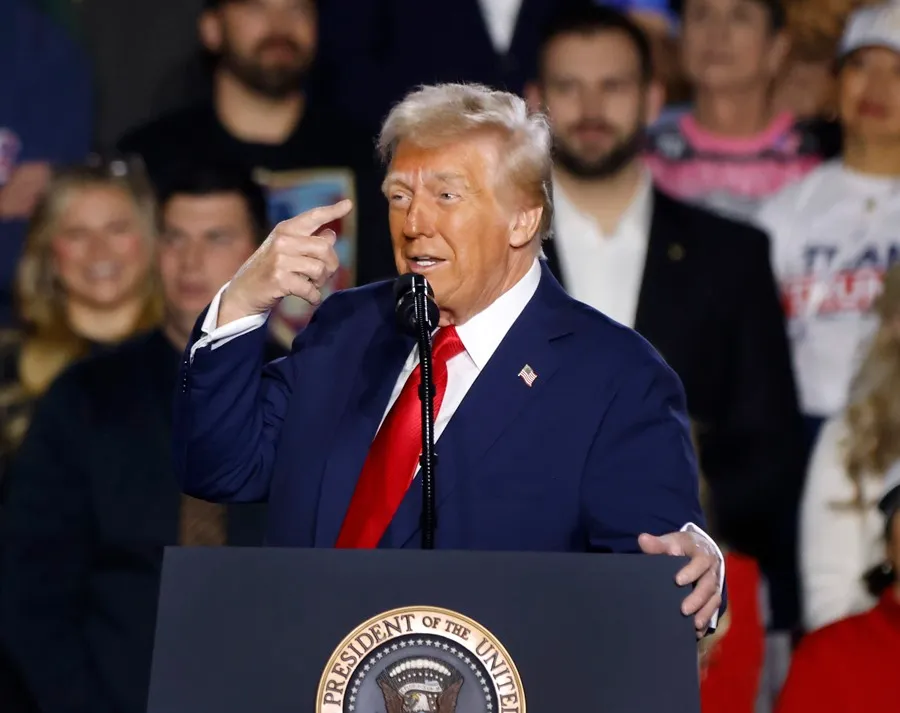
A New World Disorder
First, global order enters a turbulent phase as U.S. leadership shifts direction. Consequently, alliances weaken, trade becomes zero-sum, and strategic uncertainty expands across regions.
Competing Futures After Trump
Next, three trajectories emerge. One scenario suggests a new Cold War between major powers shaping global alignments.
Another envisions fragmented regional empires competing constantly. Finally, a darker anarchic system appears.
Energy Blocs and System Transformation
Meanwhile, a structural divide forms between fossil-fuel powers and green-energy coalitions.
Thus, geopolitical competition increasingly reflects energy systems rather than ideology.
The Rise of Middle Powers
At the same time, countries like India, Brazil, and South Africa seek autonomy.
Therefore, they attempt coordination to resist pressure from dominant global powers.
Rebalancing the Transatlantic Alliance
Subsequently, relations between Europe and the United States evolve.
Instead of dependency, a more equal partnership could emerge, potentially stabilizing long-term cooperation.
A New U.S. Foreign Policy Vision
In parallel, a domestic-focused strategy prioritizes economic strength and innovation.
Hence, foreign policy emphasizes prosperity, technology leadership, and selective multilateral engagement.
China’s Internal Power Tensions
Turning to China, centralized authority intensifies under personalized leadership.
However, reliance on military intermediaries creates instability, prompting recurring purges to maintain control.
Social Transformation in China
Simultaneously, societal values shift significantly.
As economic mobility slows, younger generations prioritize balance, personal fulfillment, and alternative lifestyles over wealth accumulation.
Changing Attitudes Toward Work and Status
Moreover, blue-collar jobs and rural life gain acceptance.
Consequently, traditional hierarchies weaken, and new cultural narratives emphasize dignity and emotional value.
China’s Global Ambitions Reframed
Additionally, China seeks global preeminence rather than full hegemony.
Thus, it aims to influence rules selectively without assuming global responsibilities.
Strategy of Leverage and Influence
Accordingly, economic ties become strategic tools.
By expanding trade networks, China builds leverage, ensuring other countries prioritize its interests during conflicts.
Implications for U.S. Strategy
Therefore, confrontation alone appears ineffective.
Instead, increasing attractiveness through innovation, culture, and economic engagement becomes essential for maintaining influence.
India – U.S. Relations and Technology
Meanwhile, political tensions strain bilateral relations.
Nevertheless, technological cooperation, especially in artificial intelligence, continues expanding independently of political disputes.
The Global AI Competition
Furthermore, India becomes central to U.S. technological strategy. As a result, investments in infrastructure and partnerships strengthen a shared innovation ecosystem.
Japan’s Political Shift
In Japan, strong leadership consolidates power after electoral success. However, economic challenges and fiscal risks raise concerns about long-term stability.
Populism and Youth Support
At the same time, younger voters embrace assertive leadership styles. Consequently, political dynamics shift toward populist narratives and anti-establishment sentiment.
Pakistan’s Strategic Reorientation
Finally, Pakistan considers redefining its geopolitical identity.
By strengthening ties with Central Asia, it seeks economic opportunities and reduced dependence on traditional regional frameworks.
Connectivity and Regional Integration
Thus, infrastructure and trade routes become crucial. Improved connectivity could unlock energy access, trade expansion, and broader regional cooperation.
Persistent Uncertainty
Overall, global politics enters a fluid era without a single dominant vision.
Therefore, multiple competing futures coexist, shaped by leadership choices and structural transformations.
Source:
Foreign Policy. (2026, Spring). The world after Trump.