
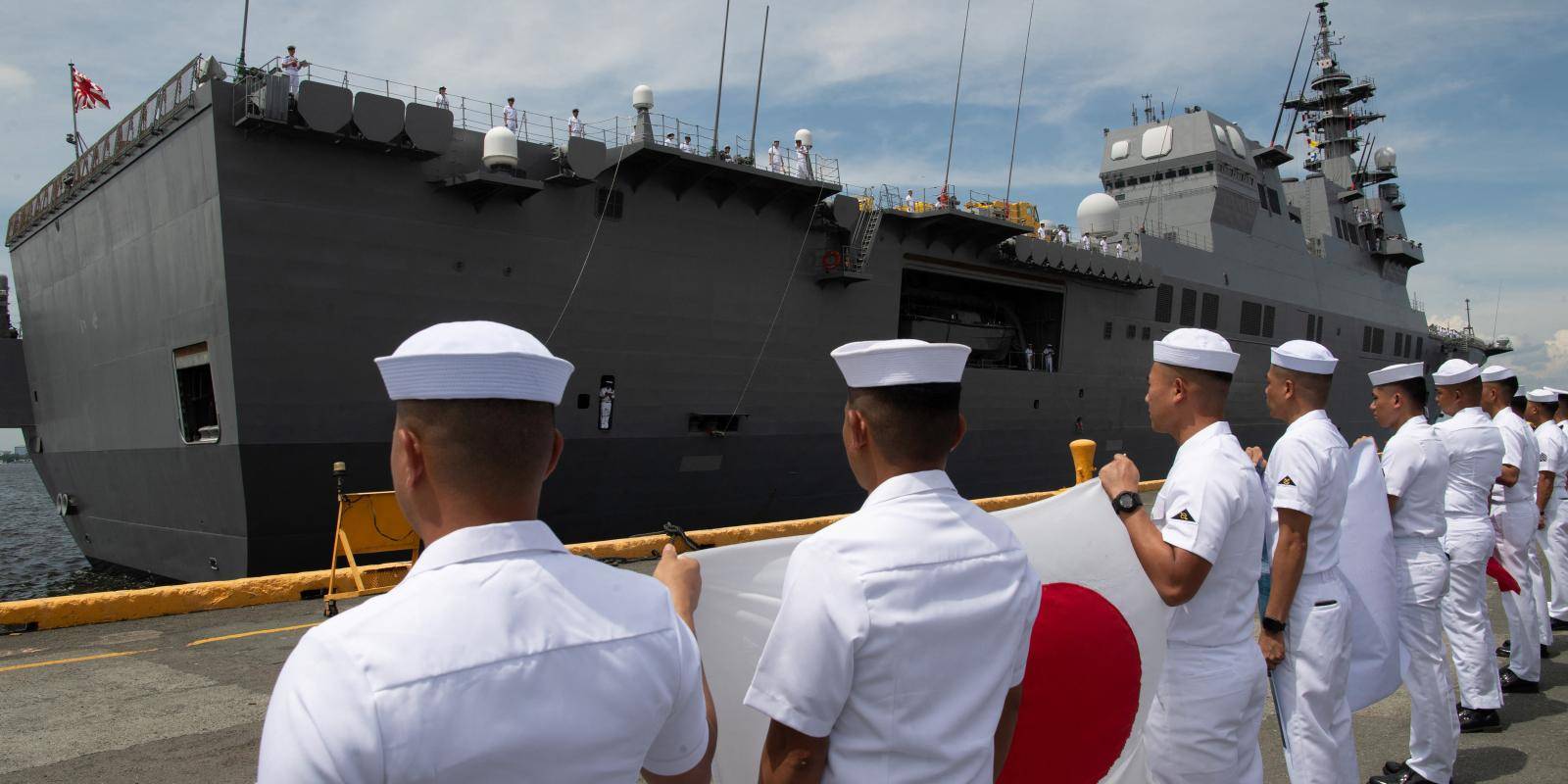
The war with Iran is not just reshaping the Middle East, but also exposing the limits of the U.S.-led security order. For allies like Japan, South Korea, and the Philippines, the message is increasingly clear: reliance on Washington no longer guarantees stability. As the United States redirects its attention and resources, its security commitments appear more conditional and more selective.
This moment reveals a deeper imbalance. The United States expects loyalty, increased military spending and alignment with its global priorities, even in conflicts far removed from East Asian security concerns. Yet it cannot fully guarantee that it will respond with the same urgency when its allies face threats of their own. The result is a relationship defined by pressure rather than reciprocity, where dependence limits strategic autonomy.
In this context, closer cooperation among Japan, South Korea, and the Philippines becomes a political necessity. Strengthening regional coordination is not simply about defense efficiency, but about reducing vulnerability to external unpredictability. It signals a shift toward a more self-reliant security framework in a world where traditional alliances are becoming less stable.
At its core, this is about the future of global order. If security continues to depend on a single, overstretched power, instability will deepen. The real question is no longer how allies can support the United States, but how they can protect their own interests in a system where guarantees are no longer absolute.
Reference: Chatham House. (2026, March 18). The Iran war should boost security cooperation by US Pacific allies like Japan, the Philippines and South Korea. Chatham House. https://www.chathamhouse.org/2026/03/iran-war-should-boost-security-cooperation-us-pacific-allies-japan-philippines-and-south