
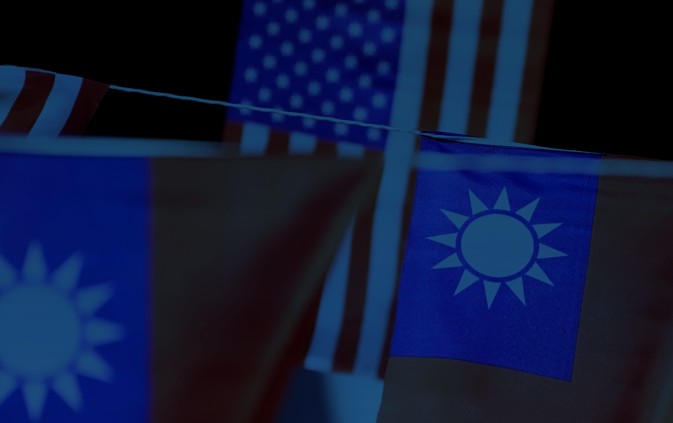
Brookings. Cross-Strait Crossroads: Pathways for America’s Taiwan Policy
This report analyzes the strategic crossroads facing United States policy toward Taiwan in the context of increasing tensions between China and Taiwan. The authors examine how shifts in global power dynamics, China’s growing assertiveness, and Taiwan’s evolving political identity have made the cross-strait relationship one of the most sensitive geopolitical issues today.
The report outlines different policy pathways available to the United States, emphasizing the need to balance deterrence, stability, and long-term strategic interests.
Strategic Context
The cross-strait relationship is shaped by the competing claims of China and Taiwan, with Beijing viewing Taiwan as a part of its territory and committing to eventual reunification. At the same time, Taiwan operates as a self-governing democracy with its own political system and international partnerships.
The United States has historically maintained a policy of “strategic ambiguity,” supporting Taiwan’s defense while avoiding explicit commitments that could provoke escalation with China. However, growing military pressure from China and increased geopolitical competition have made this approach more difficult to sustain.
Policy Pathways for the United States
The report identifies several potential approaches for U.S. policy:
- Maintain Strategic Ambiguity: Continue the current approach, balancing deterrence and restraint to avoid provoking conflict while supporting Taiwan’s security.
- Shift Toward Strategic Clarity: Explicitly commit to defending Taiwan, strengthening deterrence but increasing the risk of confrontation with China.
- Reduce Commitments: Scale back involvement to lower tensions, though this could undermine Taiwan’s security and U.S. credibility in the region.
Each pathway involves trade-offs between deterrence, escalation risk, and regional stability.
Risks and Challenges
The report highlights several risks associated with cross-strait tensions:
- Military Escalation: Increased Chinese military activity raises the risk of miscalculation or conflict.
- Political Signaling: Ambiguous or inconsistent messaging from the United States can lead to misunderstandings by both China and Taiwan.
- Alliance Dynamics: U.S. policy toward Taiwan affects relationships with regional allies, particularly in East Asia.
These risks underscore the complexity of managing a situation where actions intended to deter conflict could also increase tensions.
Taiwan’s Internal Dynamics
Taiwan’s domestic politics play a crucial role in shaping cross-strait relations. Public opinion increasingly favors maintaining the current status quo rather than pursuing immediate unification or independence.
This internal dynamic constrains policy options for both Taiwan and the United States, as any shift toward formal independence could trigger a strong response from China.
Long-Term Strategic Considerations
The report emphasizes that U.S. policy must consider long-term trends, including China’s rising power, technological competition, and shifting global alliances. The challenge lies in maintaining peace and stability while adapting to a changing strategic environment.
Effective policy requires coordination across diplomatic, military, and economic domains, as well as clear communication to reduce the risk of miscalculation.
Reference
Hass, R., Blanchette, J., Templeman, K., Kavanagh, J., Glaser, B. S., Sacks, D., & Turpin, M. (2024). Cross-Strait crossroads: Pathways for America’s Taiwan policy. Brookings Institution. https://www.brookings.edu/collection/cross-strait-crossroads-pathways-for-americas-taiwan-policy/