
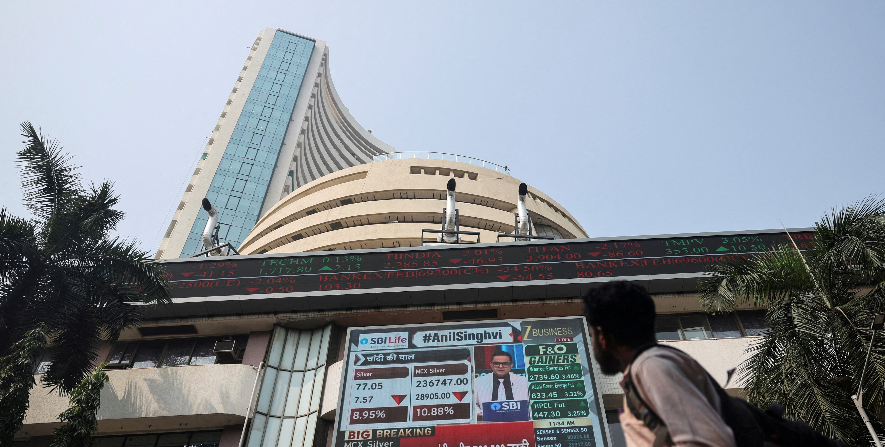
India’s Social Stock Exchange (SSE) presents a state-initiated model that integrates social impact into mainstream capital markets by allowing non-profit organizations and social enterprises to raise funds on regulated stock exchange platforms. Built under the oversight of the Securities and Exchange Board of India, the SSE gained early legitimacy through its incorporation into existing market architecture, including dedicated segments within the Bombay Stock Exchange and National Stock Exchange, which enabled organizations such as SGBS Unnati Foundation to list and finance skills training for disadvantaged youth. A central innovation is the development of new financial instruments for non-profits, particularly the “Zero Coupon Zero Principal (ZCZP) instrument,” which allows capital raising without traditional repayment obligations and has been used by entities like Swades Foundation to mobilize resources for sustainable livelihood projects. SEBI has progressively reduced minimum investment thresholds, encouraging broader retail participation and opening impact investing to smaller donors.
The SSE framework also formalizes a new ecosystem of complementary actors to ensure credibility and transparency, notably certified Social Auditors trained by the National Institute of Securities Markets and organized through bodies such as the Social Auditors Organisation, which transfer audit discipline from conventional finance to the social sector. Standardization plays a key role, as listed entities must use logic model frameworks that connect inputs, activities, outputs, and outcomes, while impact assessments follow uniform norms aligned with themes of the United Nations Sustainable Development Goals and culminate in detailed annual Social Impact Reports documenting baselines, outcomes, trends, and deviations. End-to-end traceability is strengthened through specific use-of-proceeds clauses, beneficiary metrics, and annual fund-utilization and impact reporting that “helps to close the loop against the KPIs committed at issuance.” Overall, India’s SSE demonstrates an alternate finance pathway that converts philanthropy into a regulated, outcome-based marketplace and offers a potential template for other countries seeking to embed social impact within their capital market structures.
Reference
Sahasranamam, S., & Sitling, J. (2026, March 25). 4 lessons on trading impact from India’s Social Stock Exchange. World Economic Forum. https://www.weforum.org/stories/2026/03/lessons-trading-impact-india-social-stock-exchange/