
The Transition from Targeted Military Strikes to Total Infrastructure Siege
As of April 2026, the U.S. military posture has transitioned from hitting “counter-force” targets (missile silos and command centers) to preparing for “counter-value” strikes against the civilian foundations of the Iranian state. The Al Jazeera report maps out a network of over 60 major power plants that form the backbone of Iran’s industrial and domestic life. Consequently, the threat to destroy these facilities is not merely a tactical move but a strategic attempt to induce a State Collapse by removing the basic requirements for modern existence. This suggests that the administration views the total blackout of a nation as a legitimate tool of diplomacy in a “terminal” conflict phase.
Origins and the Geographic Concentration of Power
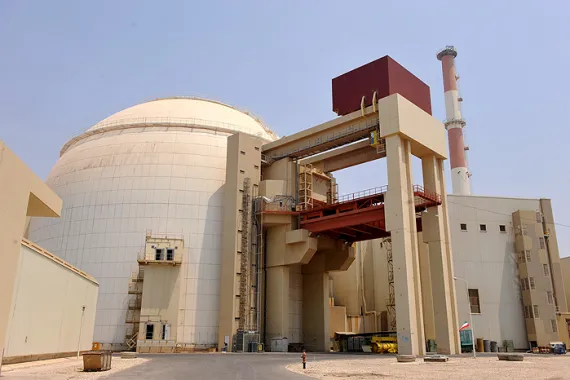
Originally, Iran’s power grid was designed for regional self-sufficiency, with heavy investment in gas-fired and hydroelectric plants. However, the origin of the current vulnerability lies in the Geographic Concentration of these assets. Key facilities like the Damavand Combined Cycle Plant (the country’s largest, near Tehran) and the Bushehr Nuclear Power Plant are centralized nodes that, if disabled, would trigger a cascading failure across the entire national synchronized grid. For 2026, this centralization has become a “strategic liability,” as the U.S. has identified “Top 10” nodes that, if struck simultaneously, would result in a 90% loss of electricity nationwide within minutes.
The Structure of the “Stone Age” Target List
The structure of the U.S. target list is organized into three tiers of escalating severity:
- Tier 1: Industrial Hubs. Power plants serving the oil refineries in Abadan and the steel mills in Isfahan, aimed at killing the remaining export economy.
- Tier 2: Urban Life-Support. Facilities powering the water pumps and hospitals of Tehran, Mashhad, and Tabriz, aimed at breaking domestic morale.
- Tier 3: The Nuclear Symbol. The Bushehr plant, which represents both a source of power and a symbol of national scientific pride. Moreover, the article highlights the “Institutional Friction” within the Pentagon regarding the use of “Graphite Bombs”—non-lethal weapons that short-circuit grids without destroying them permanently—versus kinetic strikes that would take decades to repair.
Synthesis of Humanitarian Fallout and the “Dark Age” Paradox
The successful execution of these strikes now faces a paradox: while the U.S. wants to force a “peace signature” from the leadership, the destruction of the grid would likely render the Iranian government unable to enforce any treaty it signs. This objective is essential to understand because it signals that a “Stone Age” Iran would be a lawless vacuum, potentially leading to a massive refugee surge toward Turkey and the Caucasus. Simultaneously, there is a clear intent among Iranian “Passive Defense” units to decentralize power through small-scale diesel generators, but these are insufficient for a population of 88 million. Ultimately, the Al Jazeera report provides a stable warning: when electricity is treated as a weapon of war, the “finish line” of the conflict may actually be the starting line of a multi-decade humanitarian catastrophe.
Reference
Al Jazeera. (2026, April 6). Where are Iran’s power plants that Trump has threatened to destroy? Al Jazeera News Middle East. https://www.aljazeera.com/news/2026/4/6/where-are-irans-power-plants-that-trump-has-threatened-to-destroy