
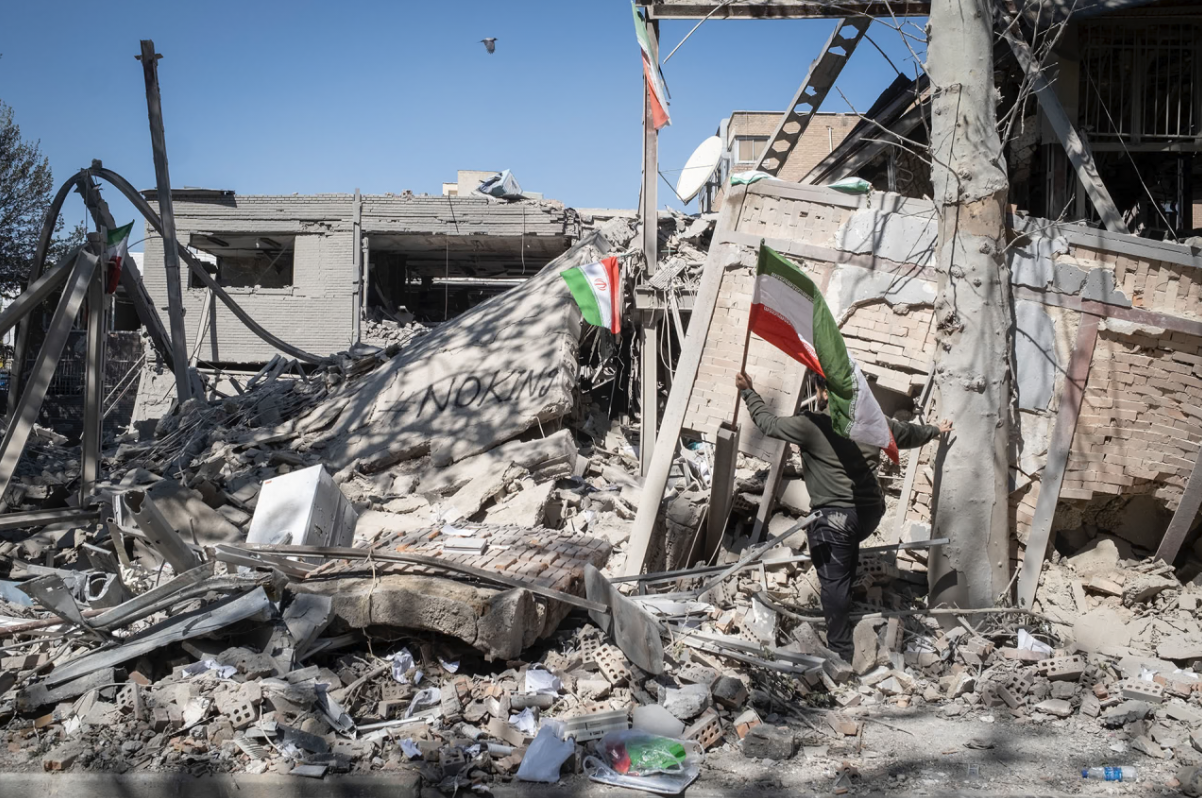
The Transition from “Maximum Pressure” to “Conditional Reprieve”
By April 2026, the U.S. strategy has transitioned from a campaign of active kinetic degradation to a state of Conditional Reprieve. The CFR report posits that while a temporary ceasefire has been secured, it is not a traditional peace treaty but a “Tactical Timeout.” Consequently, the cessation of hostilities is entirely dependent on Iran meeting specific, short-term benchmarks regarding the Strait of Hormuz and nuclear transparency. This suggests that the administration is using the “Stone Age” threat (Article #90) as a permanent background shadow to ensure compliance during the negotiation window.
Origins and the “Sanctions-for-Silence” Logic
Originally, Iran demanded a full withdrawal of U.S. forces from the region as a prerequisite for any talk. However, the origin of the current ceasefire lies in a pragmatic “Sanctions-for-Silence” logic: the U.S. has agreed to pause the bombing of energy infrastructure (Article #92) in exchange for Iran’s commitment to halt all maritime harassment. For 2026, this represents a significant shift in the “price of peace,” as Tehran realizes that the domestic cost of a total grid failure (Article #87) outweighs the ideological benefits of regional escalation. Furthermore, the report emphasizes that the April 7 Suspension was facilitated by the E3 (Article #94), who provided the necessary diplomatic “insulation” for both sides to claim a victory.
The Structure of Survival: Why the Peace is Fragile
The structure of this ceasefire is organized around three “Stress Points” that could trigger a collapse:
- The Oversight Gap: Without a formal verification mechanism in place during the 14-day window, any localized skirmish in Yemen or Lebanon could be interpreted by Washington as a violation of the truce.
- Hardline Sabotage: Internal “Institutional Friction” remains high in both capitals; IRGC factions in Iran and “Maximum Pressure” advocates in the U.S. benefit politically from a return to hostilities.
- The Blockade Paradox: While the bombing has stopped, the maritime blockade continues, meaning Iran is still “suffocating” economically. This creates a timer where Iran may feel compelled to strike out again if the “peace” does not bring immediate financial relief.
Synthesis of Coercive Success and the “Permanent War” Paradox
The successful maintenance of the ceasefire now faces a paradox: the very threats that brought the parties to the table—the decimation of the Iranian state—are the same factors that make a long-term partnership impossible. This represents a triumph of Short-Term Coercion over Long-Term Diplomacy. There is a clear intent among the international community to turn this pause into a permanent “New Deal,” but the structural grievances of the Iran war remain untouched. Ultimately, it is clear that the ceasefire will only last as long as the fear of the “Stone Age” remains greater than the pain of the blockade; it is a peace built on exhaustion, not on resolution.
Reference
Council on Foreign Relations. (2026, April 8). Trump secured a ceasefire with Iran. Will it last? CFR Analysis & Briefs. https://www.cfr.org/articles/trump-secured-a-ceasefire-with-iran-will-it-last