
The Transition from Face-to-Face Diplomacy to “Red Line” Retrenchment
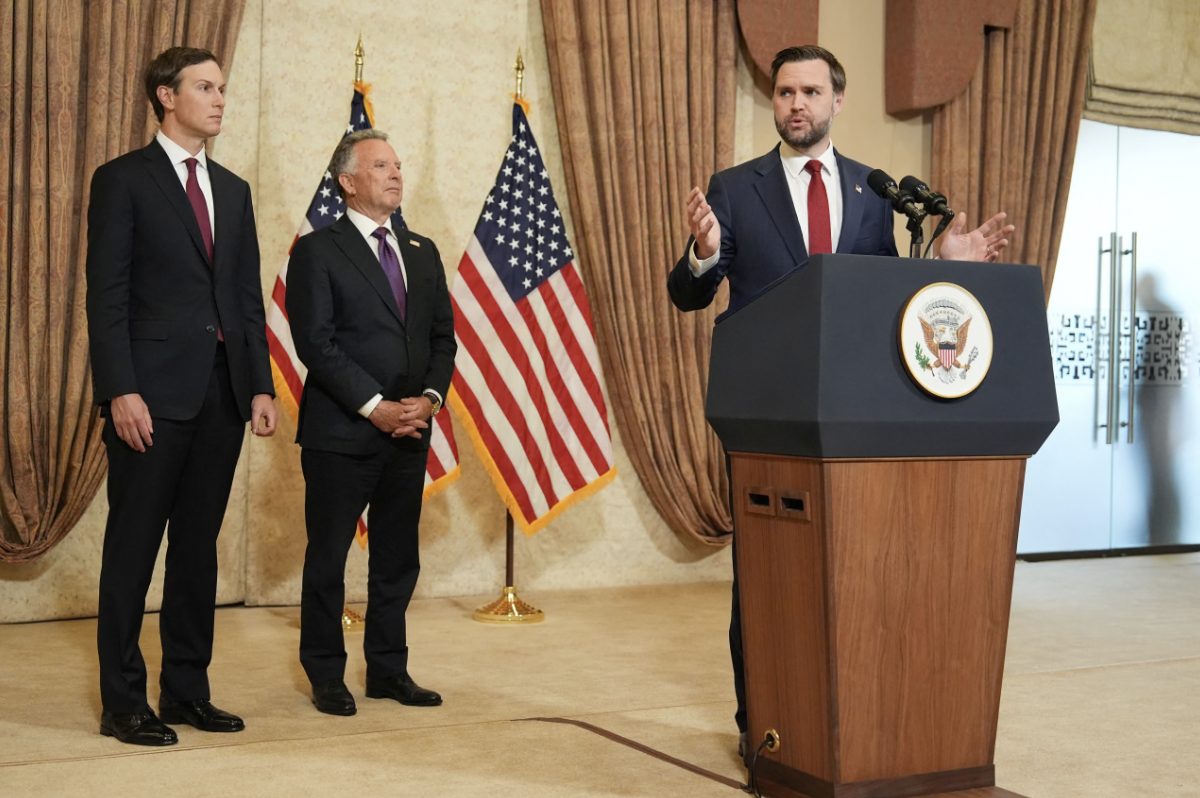
By the morning of April 13, 2026, the first direct U.S.-Iran negotiations in over a decade have transitioned from a marathon 14-hour session in Islamabad to a state of Total Impasse. The CFR report highlights that despite the presence of high-level delegations—led by Vice President JD Vance and Iranian Foreign Minister Abbas Araqchi—neither side was willing to abandon their foundational security requirements. Consequently, the optimism of the “two-week ceasefire” (Article #92) has been replaced by the grim realization that the distance between Washington’s “surrender terms” and Tehran’s “sovereignty claims” is currently unbridgeable.
Origins and the Nuclear “Sticking Point”
Originally, the talks were intended to find a “Green Corridor” (Article #103) or a “Sanctions-for-Silence” compromise. However, the origin of the impasse lies in the U.S. Demand for Nuclear Termination. Washington insisted that Iran not only stop enrichment but also relinquish its accumulated stockpile of nearly 1,000 pounds of enriched uranium and dismantle its primary facilities. For 2026, the U.S. delegation, which included Jared Kushner and Steve Witkoff, framed these as “non-negotiable” prerequisites for any lifting of the maritime blockade. Furthermore, the report emphasizes that the Iranian “10-Point Proposal”—which demanded the release of frozen assets and a halt to Israeli operations in Lebanon—was dismissed by the U.S. as a non-starter.
The Structure of the Failed Bargaining Framework
The structure of the Islamabad deadlock is organized around three irreconcilable pillars:
- Sovereign Enrichment vs. Denuclearization: Iran maintains its right to peaceful enrichment under the NPT, while the U.S. views any enrichment as an existential threat to regional stability.
- Hormuz Tolls vs. Freedom of Navigation: Tehran demanded the right to collect “passage tolls” through the Strait of Hormuz to fund its reconstruction, a proposal the U.S. Navy categorized as an act of piracy.
- Proxy Linkage: The U.S. demanded a total cessation of support for the “Axis of Resistance,” while Iran argued that its regional alliances are a defensive necessity as long as U.S. forces remain in the Persian Gulf.
Synthesis of the “Surrender Paradox” and Phase 3 Planning
The failure of the talks now faces a paradox: by refusing to compromise, both sides have guaranteed the Resumption of Attrition. This represents a shift in Political Science from “Diplomatic Signaling” back to “Kinetic Compellence.” There is a clear intent in Washington to move to Phase 3 of the campaign—total economic strangulation via the port blockade (Article #105). Meanwhile, Iran is likely utilizing the remaining hours of the ceasefire to dig out weapons from underground sites blocked during previous strikes. Ultimately, it is clear that the Islamabad Summit was not a bridge to peace, but a final “procedural check” before the next wave of escalation.
Reference
Lindsay, J. M. (2026, April 13). U.S.-Iran peace talks hit an impasse. What comes next? Council on Foreign Relations. https://www.cfr.org/articles/u-s-iran-peace-talks-hit-an-impasse-what-comes-next