
The Transition from “Maximum Pressure” to “Irreversible Damage”
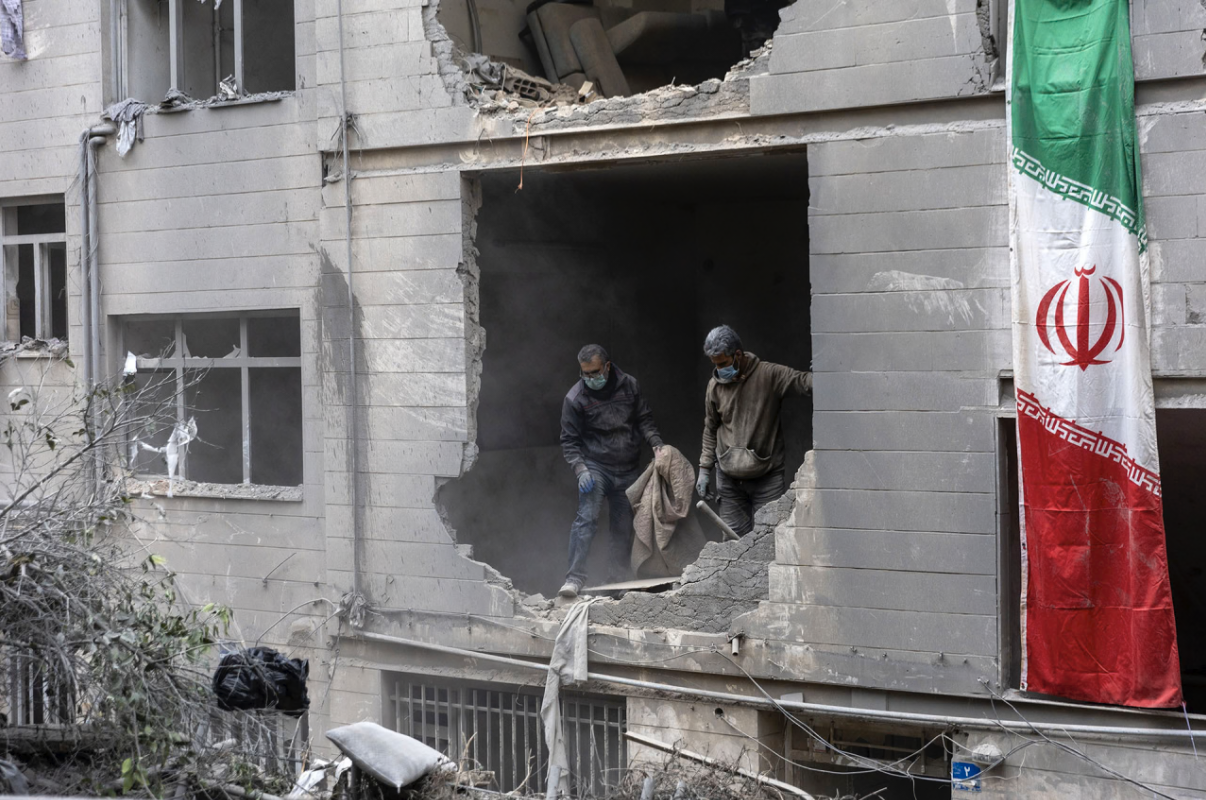
By late April 2026, the United States has transitioned from a posture of containment to one of Systemic Degradation. The CFR analysis weighs the “victory”—the effective destruction of Iran’s nuclear infrastructure and the conventional military’s “backbone”—against the strategic cost. Consequently, the report concludes that while the “nuclear clock” has been reset by at least a decade, the method of doing so has permanently altered the global perception of American power. This suggests that the administration achieved a Tactical Triumph at the expense of a Strategic Alienation from traditional allies.
Origins and the “Success” Metrics of 2026
Originally, the war was justified as a pre-emptive necessity to prevent an “imminent” nuclear breakout. The origin of the current “worth it” debate lies in the findings of the post-strike damage assessments: the U.S. successfully eliminated over 90% of Iran’s known enrichment capacity and 60% of its command-and-control infrastructure. For 2026, these are the metrics of success cited by Washington. However, the report emphasizes that these gains came only after the Islamabad Impasse (Article #107), which proved that military force could destroy hardware but could not force a “voluntary” diplomatic surrender.
The Structure of the “Strategic Debt”
The structure of the case “against” the war’s worth is organized around three layers of “Strategic Debt” that the U.S. has accumulated:
- The Normative Cost: By implementing a Total Maritime Blockade (Article #105) and ignoring the UN Convention on the Law of the Sea, the U.S. has weakened the very international legal order it spent eighty years constructing.
- The Economic Scarring: While the U.S. economy remains resilient (Article #113), the permanent shift in supply chains and the rise of the Chinese Electrostate (Article #112) represent a long-term loss of geoeconomic leverage.
- The Proliferation Cascade: The report notes that America’s own allies in Asia are now pursuing “Nuclear Latency” (Article #102), concluding that if the U.S. “umbrella” only works through high-intensity war, they must have their own independent deterrents.
Synthesis of the “Pyrrhic Victory” and the New Bipolarity
The question of whether the war was “worth it” now faces a paradox: the “Security-Stability Trade-off.” This represents the classic IR dilemma—the U.S. is “more secure” from an Iranian nuke, but the global system is “less stable” than at any point since 1945. There is a clear intent in the CFR analysis to suggest that the war was a “tactical necessity” born of a “strategic failure” to manage the region diplomatically. Ultimately, it is clear that for 2026, the answer depends on one’s definition of power: if power is the ability to destroy an enemy, the war was worth it; if power is the ability to lead a stable world order, the cost may have been too high.
Reference
Lindsay, J. M. (2026, April 18). Was the Iran war worth it? Council on Foreign Relations. https://www.cfr.org/articles/was-the-iran-war-worth-it