
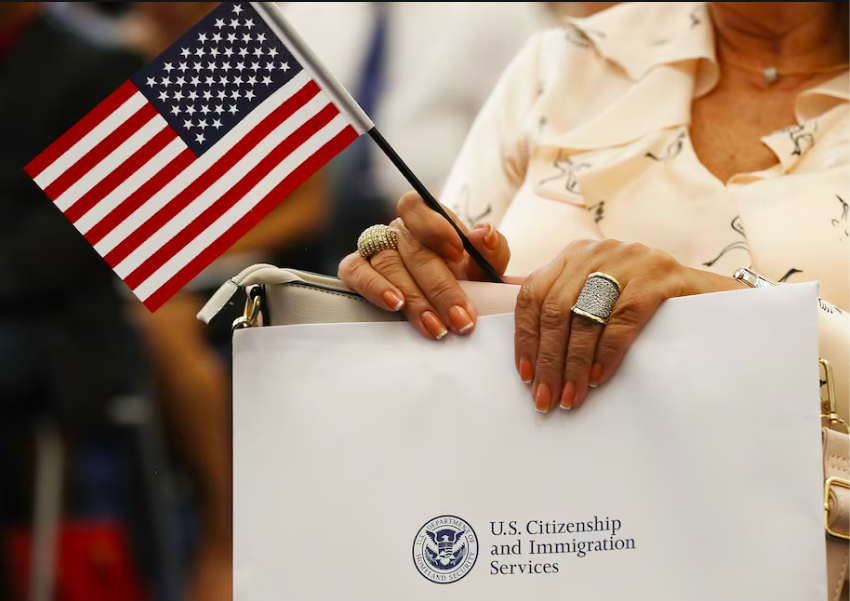
On May 27, 2026, reports emerged detailing a significant operational shift in United States immigration policy under the Trump administration. U.S. Citizenship and Immigration Services (USCIS) is effectively upending a decades-old practice by mandating that most green-card applicants return to their countries of origin to process their permanent residency applications, rather than adjusting their status from within the United States.
This development has triggered immediate concerns regarding systemic processing strains and the broader deterrence of legal immigration pathways.
Firstly, identifying the immediate procedural changes. USCIS officers have begun actively questioning applicants on why they have not departed the U.S. upon visa expiration to apply through a foreign consulate, signaling a strict enforcement of the new overseas application mandate. Building upon these developments, the second observation concerns the systemic and humanitarian impacts. Legal organizations, notably the American Immigration Lawyers Association, view these heightened scrutiny measures as a deliberate mechanism to impede legal immigration.
Furthermore, the directive has raised substantial concerns regarding prolonged family separations and drawn condemnation from the tech sector over potential harm to U.S. business interests. Thirdly, outlining the strategic exemptions. While the policy applies broadly, the administration has carved out exceptions for applicants who demonstrate an “economic benefit” or are deemed to serve the “national interest,” allowing this specific demographic to continue processing their applications domestically.
Finally, recognizing the broader pattern of heightened scrutiny extends beyond this single directive. Even prior to this announcement, applicants faced an escalated evidentiary burden, navigating rigorous requests for documentation regarding family ties, English fluency, tax compliance, military service, and employment history, signaling a comprehensive administrative tightening of the immigration apparatus.
In plain terms, this new rule makes it much harder to get a green card without leaving the U.S. first. For embassies and global observers, it means consulates worldwide are about to be flooded with paperwork. It could also trigger some tricky diplomatic friction over sending people back home, all while international businesses are left sweating over how to keep their top global talent.
Reference:
Trump administration begins making new requests of green-card applicants. (2026, May 27). The Washington Post. https://www.washingtonpost.com/immigration/2026/05/27/trump-administration-begins-making-new-requests-green-card-applicants/