
The World Resources Institute examines how public transportation systems worldwide are failing to keep pace with rapidly aging urban populations. This demographic shift is particularly acute in China. Where the population aged 60 and over is projected to hit 32 percent by 2035 and 40 percent by 2050. With cities like Beijing already seeing their senior population double in recent years. Similar trends are surfacing in global hubs like Tokyo, Osaka, Busan, Singapore, Helsinki, and Barcelona. Historically, urban transit networks have been designed entirely around the working population. Subsequently, offering frequent service during morning and evening rush hours while scaling back operations during off-peak times. However, data shows that older adults do not stop traveling upon retirement. Their average number of daily trips remains steady or even increases, but their travel windows shift to late mornings and weekends for errands, leisure, and childcare support.
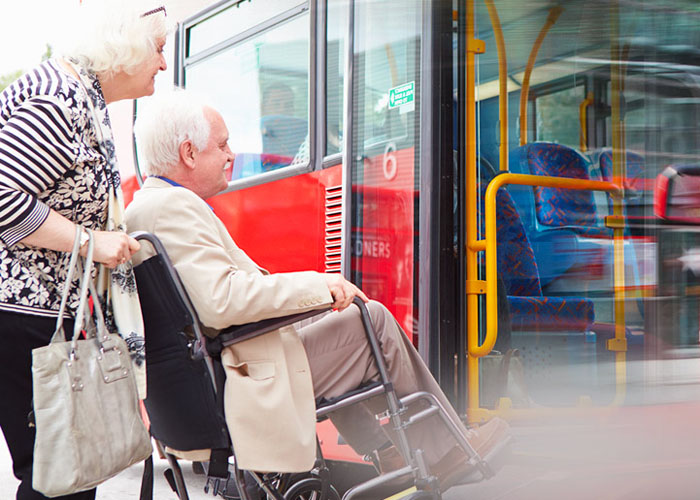
In addition, because transit systems are optimized for standard 9-to-5 commuters, aging populations face severe physical, structural, and service barriers that limit their independence. Obviously, traditional buses have become less appealing to seniors due to poorly designed bus stops. That lack adequate seating, shade, and weather shelters, making the physical act of waiting highly exhausting. Additionally, buses frequently struggle to pull flush against curbs. Further, leaving dangerous boarding gaps that prevent seniors with limited mobility from entering safely. Also, subway systems present similar architectural obstacles, often lacking intuitive navigation for older adults, and they rarely offer the same fare discounts available on surface bus routes.
Likewise, beyond physical infrastructure, a massive digital divide has emerged as cities rapidly transition to smartphone-based transit information and mobile fare payment platforms. The quick evolution of this technology fails to account for the physical and cognitive realities of aging. That is to say such as reduced finger dexterity and declining vision, which causes substantial anxiety regarding accidental payments or data privacy leaks. As a result, to resolve these compounding issues, urban planners must place older adults and individuals with disabilities at the center of their decision-making processes. Upgrading infrastructure to include functional boarding ramps, age-friendly seating, and clear, high-contrast “silver-path” navigation systems in subways. This will not only ensure safe mobility for an aging demographic but will also relieve bottlenecks for the broader public, including tourists, travelers with heavy luggage, and parents with strollers.
In conclusion, as urban populations rapidly age worldwide, traditional transit systems designed around standard rush-hour commuters are becoming increasingly inadequate. Overcoming these challenges requires cities to address severe physical barriers. Such as inaccessible boarding areas and lacking rest stations, alongside the growing digital divide created by smartphone-reliant fare systems. Ultimately, shifting toward age-friendly, inclusive transit planning—incorporating accessible infrastructure and intuitive navigation. Further it does not just preserve independence and mobility for seniors. In short, it builds a more robust, universally accessible public transportation network that benefits all urban residents.
Reference
Song, S., Ma, Y., & Yan, J. (2026). Public Transit Is Struggling to Keep Pace with Aging Populations. World Resources Institute. https://www.wri.org/insights/aging-populations-city-transportation