
Ebola and Global Health Risks
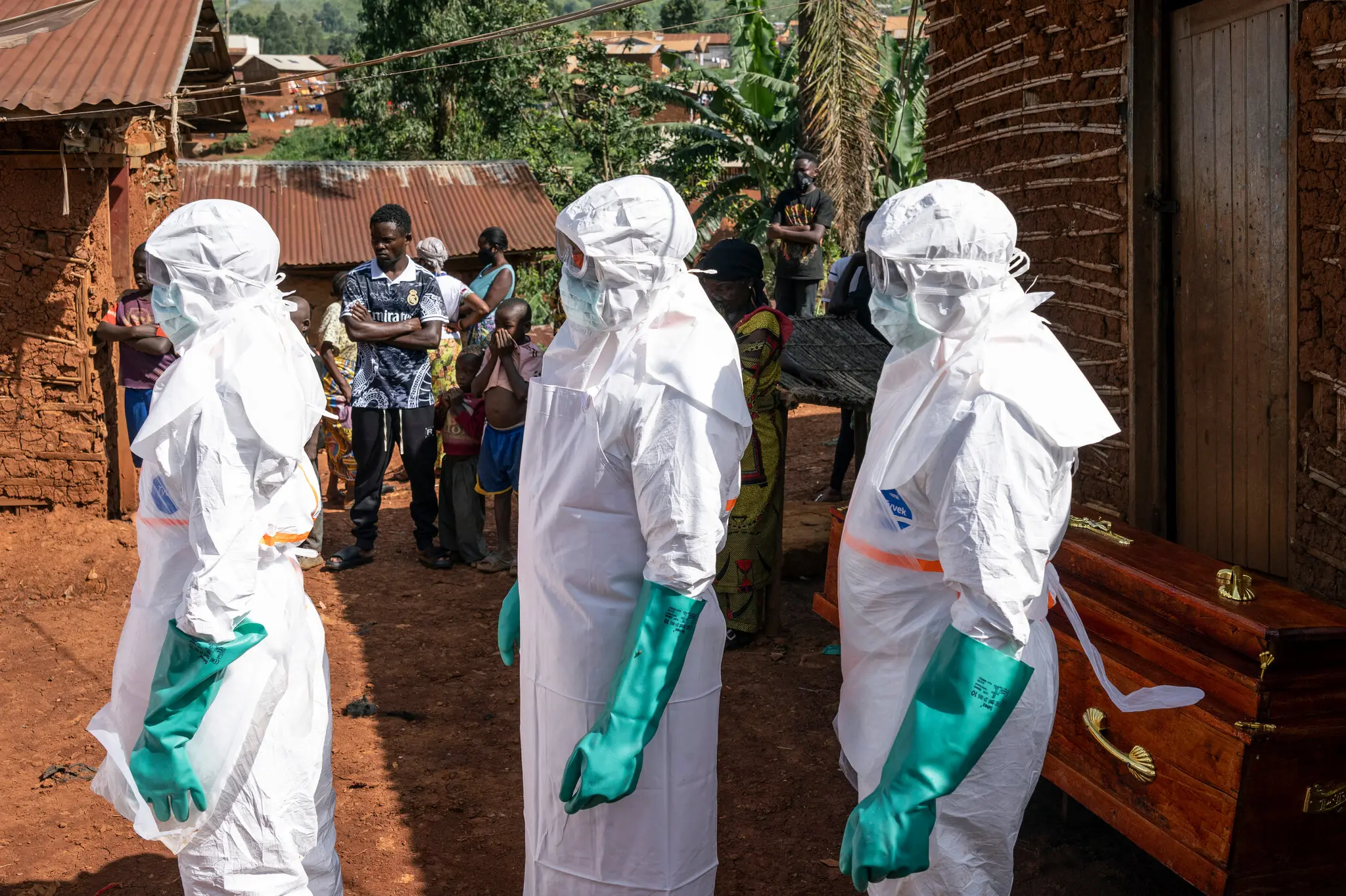
The Ebola outbreak in Central and East Africa has renewed concerns about global health preparedness and international cooperation. The New York Times opinion article argues that recent U.S. policy decisions toward foreign aid and global health programs have weakened the ability to respond effectively to infectious disease emergencies. This issue matters because outbreaks such as Ebola can quickly move from local health crises to international security concerns.
USAID Cuts and Disease Prevention
The article connects the current Ebola crisis to the reduction of U.S. foreign aid and the weakening of USAID-supported health programs. Other reporting has also noted that U.S. policy changes disrupted Ebola prevention and response systems, including programs designed to detect cases and support local health infrastructure. This is important because early detection is essential in controlling diseases that spread rapidly and have high fatality rates.
Quarantine Policy and Ethical Concerns
The debate has also grown around the U.S. plan to treat or quarantine Ebola-exposed Americans outside the United States. Reuters reported that public health experts and former CDC officials opposed the plan, warning that it could create clinical, ethical, operational and legal risks. Critics argue that the United States already has specialized biocontainment facilities and that moving exposed personnel to third countries could weaken confidence among health workers responding to outbreaks abroad.
Retreat from Global Health Leadership
The article reflects a broader concern that the United States may be stepping back from its traditional role in global health leadership. Public health experts argue that global disease control depends on cooperation, funding and trust between governments, international organizations and local health systems. When major donors reduce their role, outbreaks can become harder to contain, especially in countries already affected by conflict, weak infrastructure or limited medical capacity.
International Relevance
Overall, the article shows that Ebola is not only a public health issue, but also a question of international responsibility and governance. Weakening global health programs can increase risks for vulnerable countries and for the broader international community. For this reason, the Ebola outbreak is relevant to the OGU because it connects health security, foreign aid, U.S. policy, international cooperation and the consequences of reducing preventive capacity before a crisis.
Reference: The New York Times. (2026, June 3). Ebola disease Trump Musk USAID. https://www.nytimes.com/2026/06/03/opinion/ebola-disease-trump-musk-usaid.html