
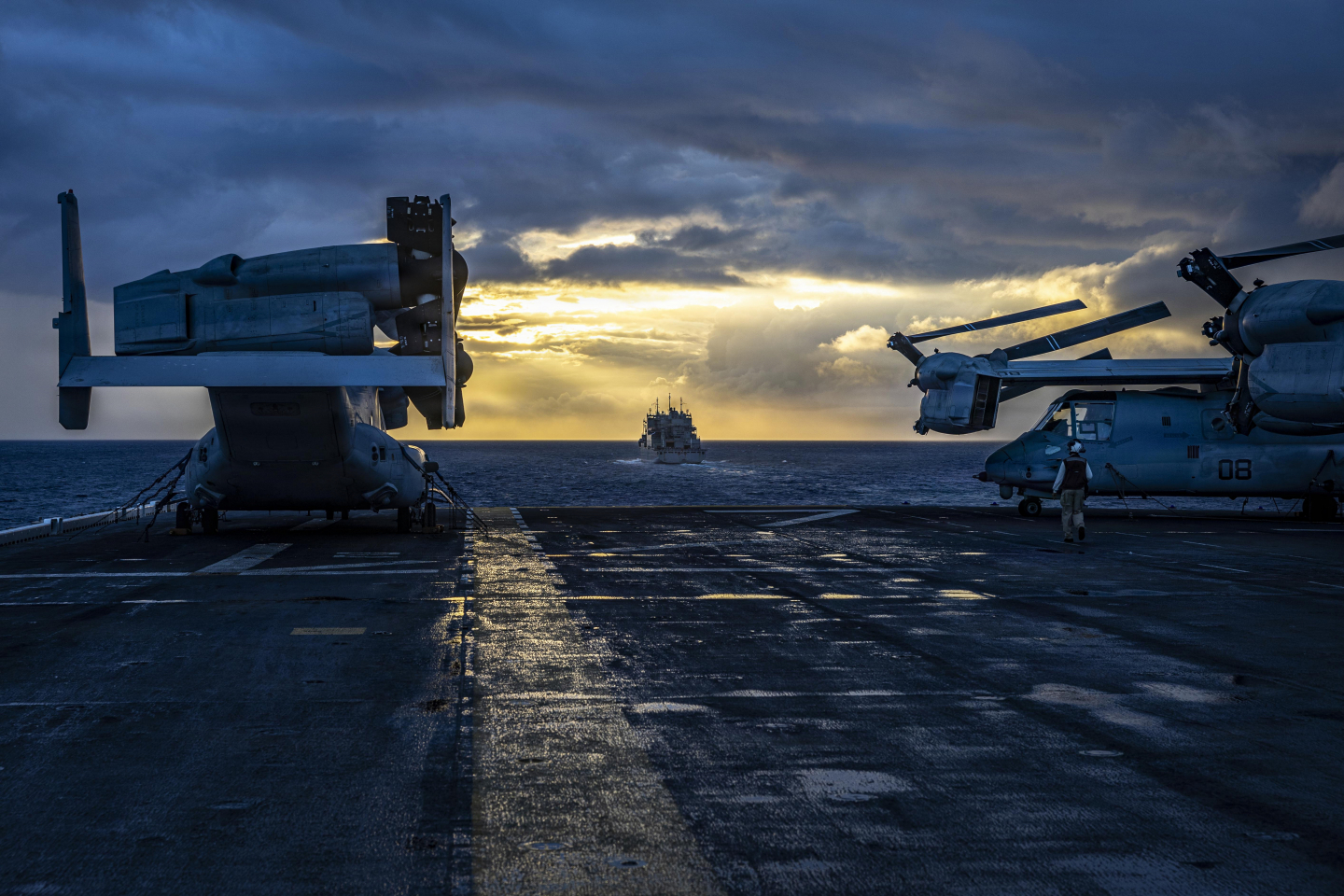
The United States has shifted its coercive focus toward Cuba following a successful military operation in Venezuela. Heavily restricting Cuba’s economy by pressuring regional allies to halt vital oil shipments. Alongside intensified surveillance and the deployment of a carrier strike group. Washington has unsealed a criminal indictment against Raúl Castro, establishing a legal framework to treat potential future actions as a law enforcement operation. As the administration balances aggressive threats with financial aid offers for democratic reforms. Five distinct military scenarios outline how a potential conflict on the island could unfold.
The first three options range from continuous economic strangulation to targeted regime decapitation. A maritime blockade to cut off remaining Russian oil shipments is highly feasible due to Cuba’s lack of naval power. In short, though it risks severe international blowback over the resulting humanitarian crisis. Alternatively, an unpredictable internal collapse driven by economic deprivation would necessitate a massive stability operation requiring an estimated 100,000 personnel. To secure the island—a commitment neither the U.S. nor regional allies are eager to make. A third path involves a Venezuelan-style leadership decapitation strike to capture or kill top officials. However, because Cuba’s Communist Party and military institutions are deeply entrenched. This approach would likely trigger a hardline military mobilization rather than a swift collapse.
The remaining scenarios involve direct kinetic operations or accidental escalation. A limited air campaign could easily dismantle Cuba’s outdated air defenses and intelligence hubs. But historical precedents indicate that airstrikes alone rarely topple determined regimes without a coordinated domestic uprising. The most volatile risk is an unintended flashpoint that sparks a broader conflict. In addition, while Cuba’s military cannot defeat the U.S.. Its forces and Russian-supplied drones possess enough asymmetric capability to strike the vulnerable U.S. base at Guantanamo Bay. And drag American troops into a grueling, protracted urban and rural insurgency.
Ultimately, Cuba’s defense strategy centers on using asymmetric resistance to outlast Washington’s political will. Until shifting U.S. domestic politics alter the administration’s posture. While Washington has clear strategic motives on the island—including dismantling Chinese intelligence facilities and stopping Cuban mercenaries from supporting Russia. It lacks a viable political roadmap. Without a coherent strategy for governance, any abrupt shift toward military intervention risks trapping the United States in a prolonged, resource-draining Caribbean conflict. In conclusion, that would devastate the local population without guaranteeing a stable transition to democracy.
Reference
Hernandez-Roy, C., Cancian, M. F., & Ziemer, H. (2026). The Next Caribbean Crisis? Assessing U.S. Military Options Toward Cuba. Csis.Org. https://www.csis.org/analysis/next-caribbean-crisis-assessing-us-military-options-toward-cuba