
Frozen Iranian Assets and Gulf Reconstruction
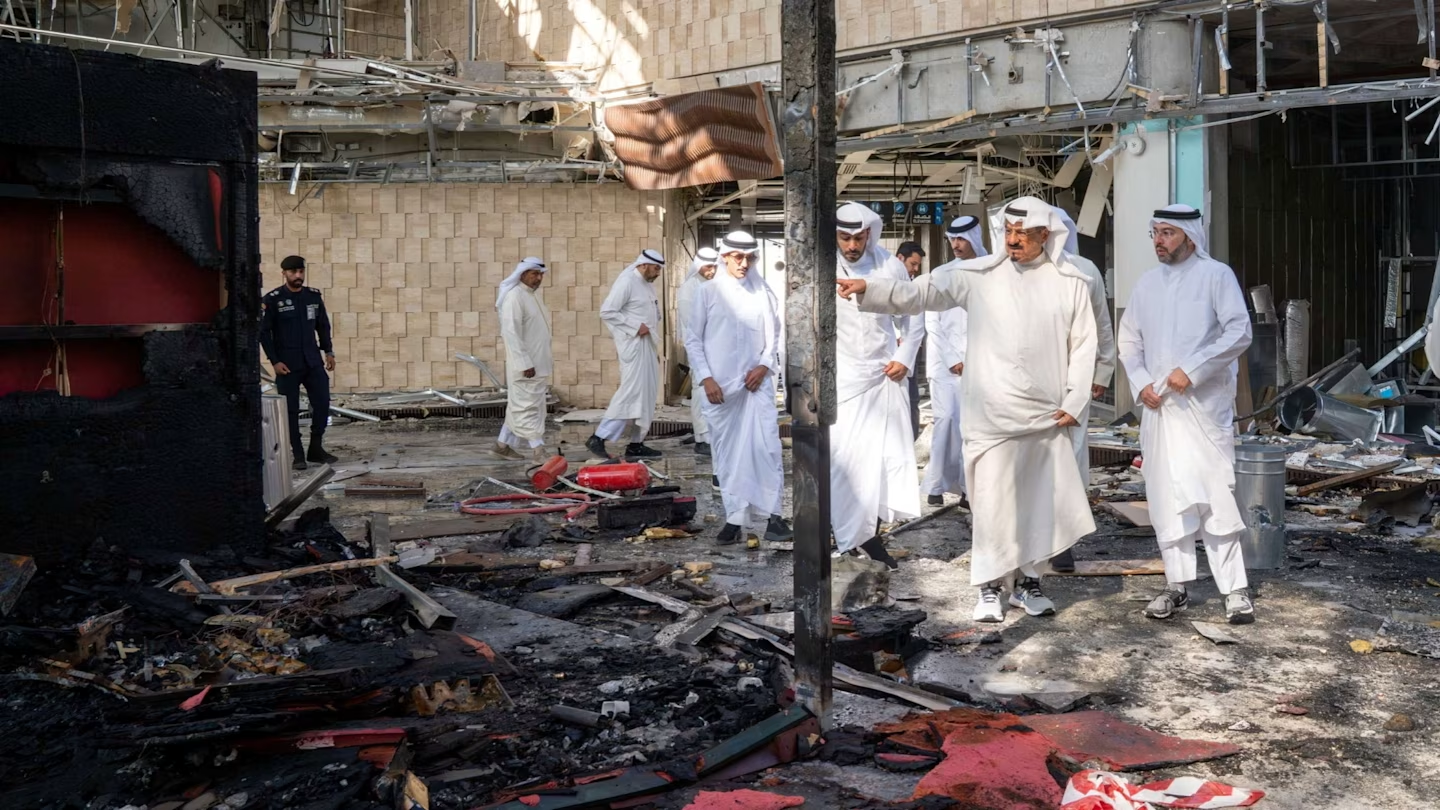
The United States is considering whether frozen Iranian assets could be used to compensate Gulf allies affected by war-related damage. According to the Financial Times, U.S. Treasury Secretary Scott Bessent is weighing plans to redirect Iranian funds toward rebuilding efforts in countries such as Kuwait and Bahrain. The proposal comes as Washington seeks to limit the fallout of the Iran war on its closest partners in the Gulf.
War Damage and Regional Tensions
The plan follows continued Iranian attacks against U.S. allies in the Gulf, including strikes involving Kuwait and Bahrain. These attacks have increased pressure on the Trump administration to reassure regional partners while maintaining a fragile ceasefire with Tehran. At the same time, U.S. forces have continued to respond to Iranian threats, including drones and coastal surveillance sites near the Strait of Hormuz.
Strait of Hormuz and Energy Security
The conflict has also affected the Strait of Hormuz, a vital route for oil and gas shipments. The de facto closure of the waterway has strained relations between the United States and Gulf allies, while increasing risks for global energy markets. For this reason, compensation and reconstruction are not only financial issues; they are also connected to regional security, energy flows and the credibility of U.S. commitments in the Middle East.
Legal and Diplomatic Questions
Using Iranian frozen assets for Gulf reconstruction would raise legal and diplomatic questions. The Financial Times reports that the proposal could involve up to $100 billion in Iranian funds frozen abroad, even as U.S.–Iran talks have discussed the possible release of some assets as part of a broader peace deal. Redirecting those funds could therefore complicate diplomacy with Tehran and make a lasting settlement more difficult.
International Relevance
Overall, the report shows how financial tools are becoming part of war diplomacy. The possible use of Iranian assets to support Gulf allies reflects the connection between sanctions, reconstruction, energy security and U.S. foreign policy. The issue matters internationally because it could affect U.S.–Iran negotiations, Gulf stability, the future of frozen sovereign assets and the broader management of conflict-related economic damage.
Reference: Financial Times. (2026, June 7). US weighs using Iranian assets to compensate Gulf allies for war damage. https://www.ft.com/content/d19bd87f-2673-40e8-9216-8529d80b42aa