
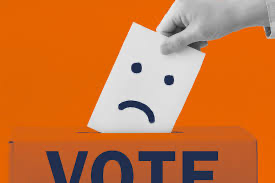
The core issue driving this pessimism is the cumulative effect of rising prices. According to economic analyses, overall consumer prices remain roughly 20% higher than they were four years ago. In fact, even though the annual inflation rate has cooled significantly, everyday groceries and services still cost substantially more.
Moreover, wages have struggled to outpace these prolonged price hikes for many middle-class families. Consequently, average households feel their purchasing power has actively diminished over time. As a result, this daily financial squeeze directly fuels the negative voter sentiment economy November that politicians are currently facing.
Housing costs and interest rates
On the other hand, the housing market presents another massive hurdle for consumer confidence. For example, average mortgage rates continue to hover around 6.5%, pricing millions of potential buyers out of the market. Furthermore, soaring rent prices have left younger generations feeling financially trapped and entirely locked out of wealth-building opportunities.
Crucially, affordable housing has become a top priority for undecided voters across critical swing states. Secondly, the Federal Reserve’s reluctance to aggressively cut interest rates keeps borrowing costs painfully high for everyday consumers.
Election implications and future outlook
Additionally, this lingering economic anxiety poses a severe threat to incumbents seeking reelection this fall. Surprisingly, historical data shows that voters rarely reward politicians for avoiding recessions if their personal budgets feel strained.
Conversely, opposition campaigns are successfully weaponizing these specific financial frustrations to mobilize their voter base. For instance, candidates are heavily focusing their messaging on everyday affordability rather than broad, abstract macroeconomic achievements. In conclusion, understanding this negative voter sentiment economy November is absolutely essential for predicting the outcome of the upcoming elections.
The Washington Post. (2026, June 14). Why voters feel so bad about the economy (and what it means for November). https://www.washingtonpost.com/business/2026/06/14/why-voters-feel-so-bad-about-economy-what-it-means-november/