
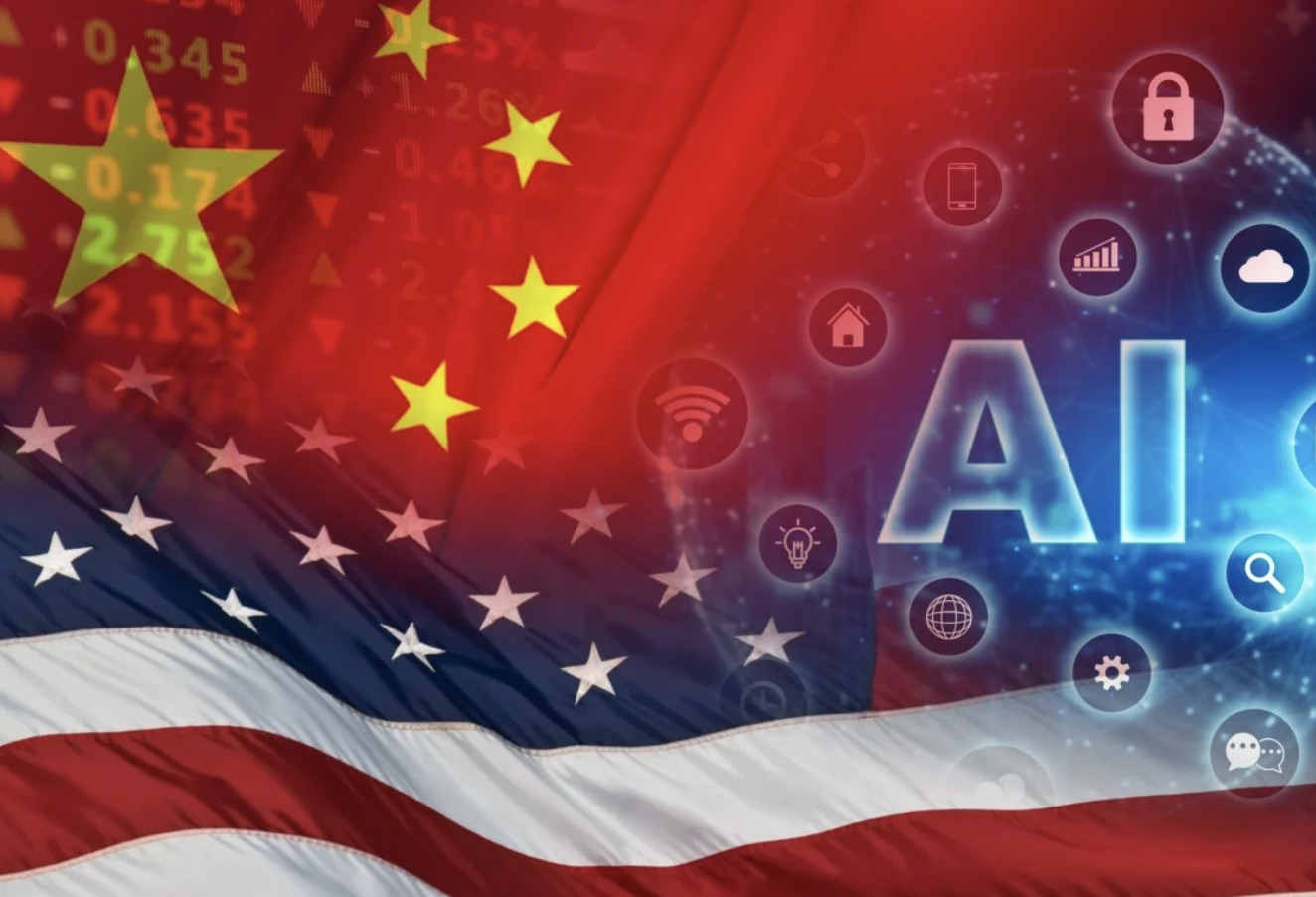
Lawmakers and witnesses at a congressional hearing warned that the United States must ensure the next chapter of artificial intelligence innovation is written in America rather than China. Therefore, Tim Scott, chairman of the US Committee on Banking, Housing, and Urban Affairs, emphasized that the country cannot afford to let adversaries gain a technological edge. He noted that cybersecurity and national security must be taken seriously. Similarly, Republican Senator Jim Banks added that the nation leading in AI will command military power and set global economic terms. The hearing showcased bipartisan support for retaining the American lead in the field.
Divergent Approaches and Export Controls
Historically, the United States and China have pursued different approaches to AI development. The US ecosystem is market-driven, funded by venture firms, and focused on top-performing models with the best compute. In contrast, China’s ecosystem focuses on open-source models and large-scale industrial deployment heavily subsidized by the government.
During the hearing, Democratic Senator Elizabeth Warren argued that the Trump administration is relaxing strong export controls. She stated these rules previously prevented American chipmaker Nvidia from selling its most advanced chips to China. Furthermore, Warren claimed that massive numbers of these chips have magically made it to China through other buyers. Consequently, Banks called these advanced AI chips the crown jewels of American power that must be protected from the Communist Party.
New Regulations and Cyber Threats
America’s AI policy recently shifted after President Trump signed an executive order in early June. This framework asks companies to voluntarily share advanced models for vetting up to 30 days before public release. Initially, Trump took a laissez-faire approach to encourage innovation. However, concerns heightened due to Anthropic’s powerful and unreleased Mythos model. Policymakers worry because Mythos can identify and exploit cybersecurity vulnerabilities in systems used by governments, hospitals, and banks.
Furthermore, Scott revealed that the committee received a letter from Anthropic regarding a recent cyber incident. The company alleged that Chinese technology giant Alibaba carried out the largest known distillation attack against them to date. This specific type of attack involves a malicious actor using a teacher model’s outputs to train a student model.
Reference
Quaggin, L., & Quaggin, L. (2026, 11 junio). US lawmakers warn next revolution in AI race must be in America, not China. South China Morning Post. https://www.scmp.com/news/us/diplomacy/article/3356820/us-lawmakers-warn-next-revolution-ai-race-must-be-america-not-china?module=perpetual_scroll_0&pgtype=article