
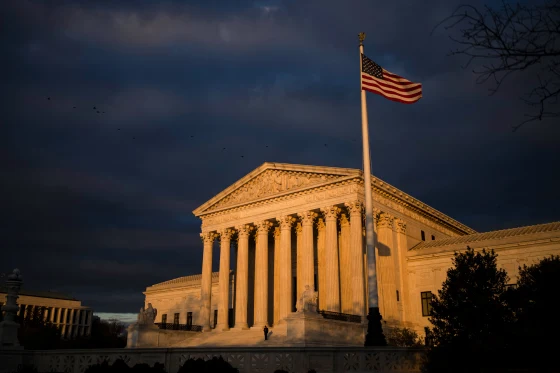
The justices ruled against migrants claiming asylum from outside the country. According to the court’s majority opinion, authorities can turn individuals back immediately. In fact, this decision represents a monumental win for the White House.
Moreover, the conservative majority actively eliminated special protections for specific migrant groups. Therefore, approximately 350,000 Haitian nationals currently face a heightened risk of deportation. As a result, immigration attorneys are scrambling to find alternative legal pathways.
Future Legal Battles and Citizenship
On the other hand, the administration still faces significant legal challenges ahead. For example, the court will soon rule on automatic birthright citizenship. Furthermore, statistical forecasting models from top publications suggest the administration might lose.
Crucially, eight major cases remain entirely undecided before the term ends. Secondly, civil rights organizations are already launching massive public campaigns. These groups want to challenge ongoing enforcement efforts aggressively.
Broader Impacts on Public Policy
Additionally, the court simultaneously issued critical rulings regarding domestic gun laws. Surprisingly, the justices struck down a Hawaiian law restricting firearm permits. This decision follows a landmark 2022 ruling on constitutional traditions.
Conversely, the immediate political focus remains heavily fixed on border enforcement. For instance, opposition leaders are utilizing these developments to mobilize voters. In conclusion, these recent Supreme Court immigration rulings will undoubtedly dictate future policy.
Reference The Economist. (2026, June). The Supreme Court bolstered Donald Trump’s immigration crackdown. US Section.