
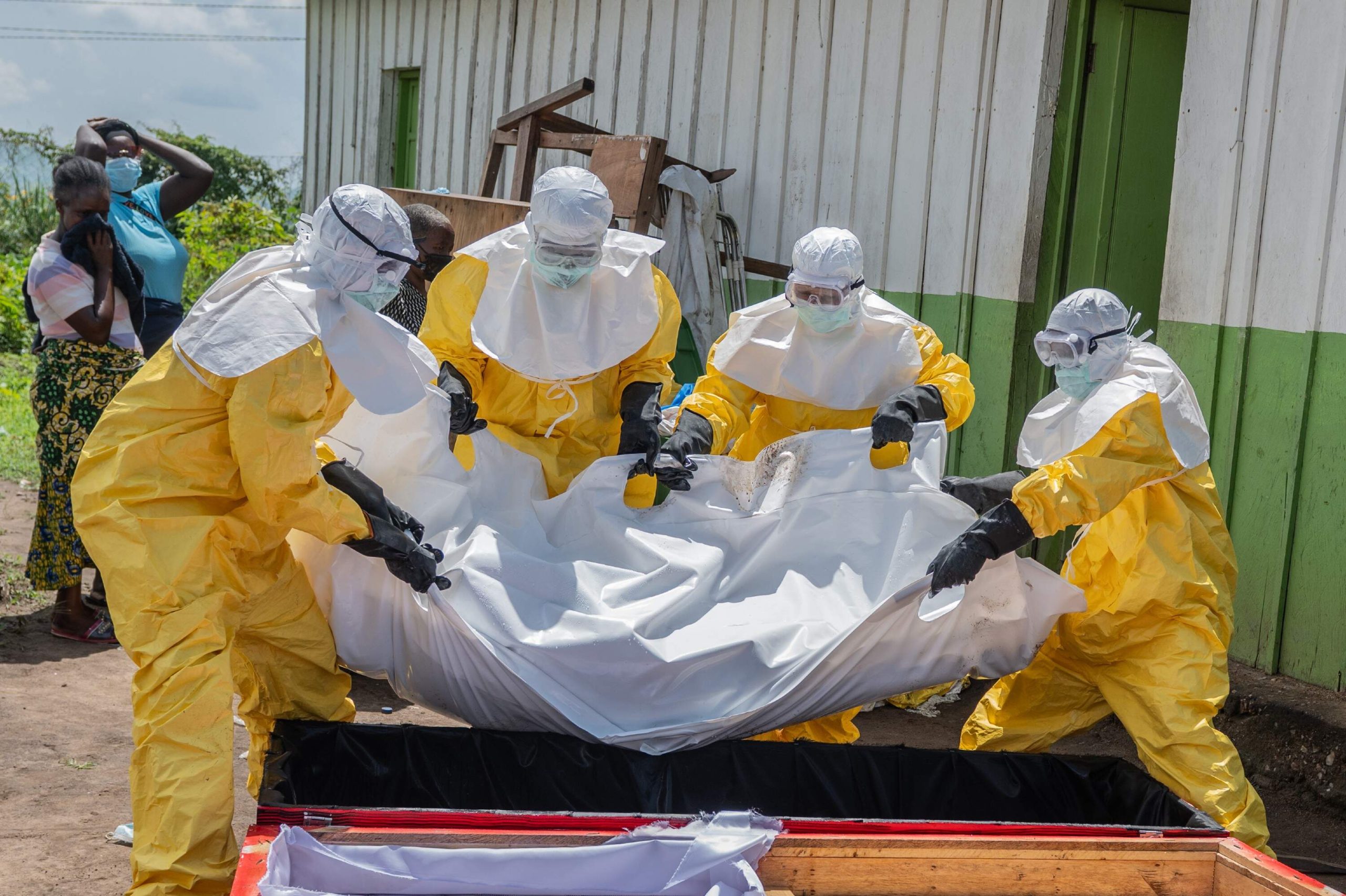
A dangerous Ebola outbreak of the unfamiliar Bundibugyo species is unfolding in the eastern Democratic Republic of the Congo (DRC). Heavily impacting the volatile, conflict-ridden provinces of Ituri, North Kivu, and South Kivu, while leaking into neighboring Uganda. This health emergency occurs against a profoundly fractured global backdrop. The international public health response system has severely decayed in terms of funding, staffing, and functionality following the Covid-19 pandemic. With major global donors severely fatigued and distracted by geopolitical crises in Ukraine and the Middle East.
Compounding this institutional weakness is an extraordinarily perilous security environment dominated by violent armed groups like M23 and the Allied Democratic Forces. Both of whom are heavily tied to multi-billion-dollar illicit mineral smuggling networks. The presence of these armed militias creates severe logistical barriers, triggers frequent airport closures, and actively threatens emergency responders. In addition, making routine containment measures like testing, contact tracing, and isolation immensely dangerous and difficult to implement.
The United States has stepped forward to lead the international financial response. By mobilizing significant emergency funding through the State Department and deploying a Disaster Assistance Response Team. However, the American response is currently structurally hindered, working with under-resourced field offices. In short, operating entirely outside of the joint coordination infrastructure established by the World Health Organization and Africa CDC.
Furthermore, a highly controversial and deeply flawed proposal to establish an American quarantine facility on a military base in Kenya. It sparked intense local protests and damaged recruitment by signaling that exposed American responders might be denied medical repatriation. To successfully stabilize this spiraling crisis over an anticipated two-year timeline, the United States. It must establish a unified White House pandemic command capacity, transition from ad-hoc funding to a formalized multi-year emergency budget. Fully integrate its medical experts into the international response structure, and leverage high-level regional diplomacy to secure protected humanitarian access corridors through militia-controlled territories.
In conclusion, managing this complex health crisis will demand immense patience, systemic adjustments, and a realistic long-term operational outlook. The convergence of a rare viral strain, fractured international cooperation, and intense domestic warfare presents an incredibly steep hill to climb for global health authorities. However, history demonstrates that prior Ebola outbreaks in the region faced nearly identical hurdles, including deep community mistrust, delayed detection, and intense regional violence. Yet were ultimately brought to heel through resilient community engagement and structured external leadership. If the United States can successfully correct its diplomatic missteps, align its vast operational resources with African-led institutions. And strategically address the root security barriers blocking the front lines, there is strong reason to believe that containment is entirely achievable. Ultimately that order can once again be forged out of the current operational chaos.
Reference
Morrison, J. S., & Simoneau, M. (2026). Managing DRC’s Ebola Crisis. Csis.Org. https://www.csis.org/analysis/managing-drcs-ebola-crisis