
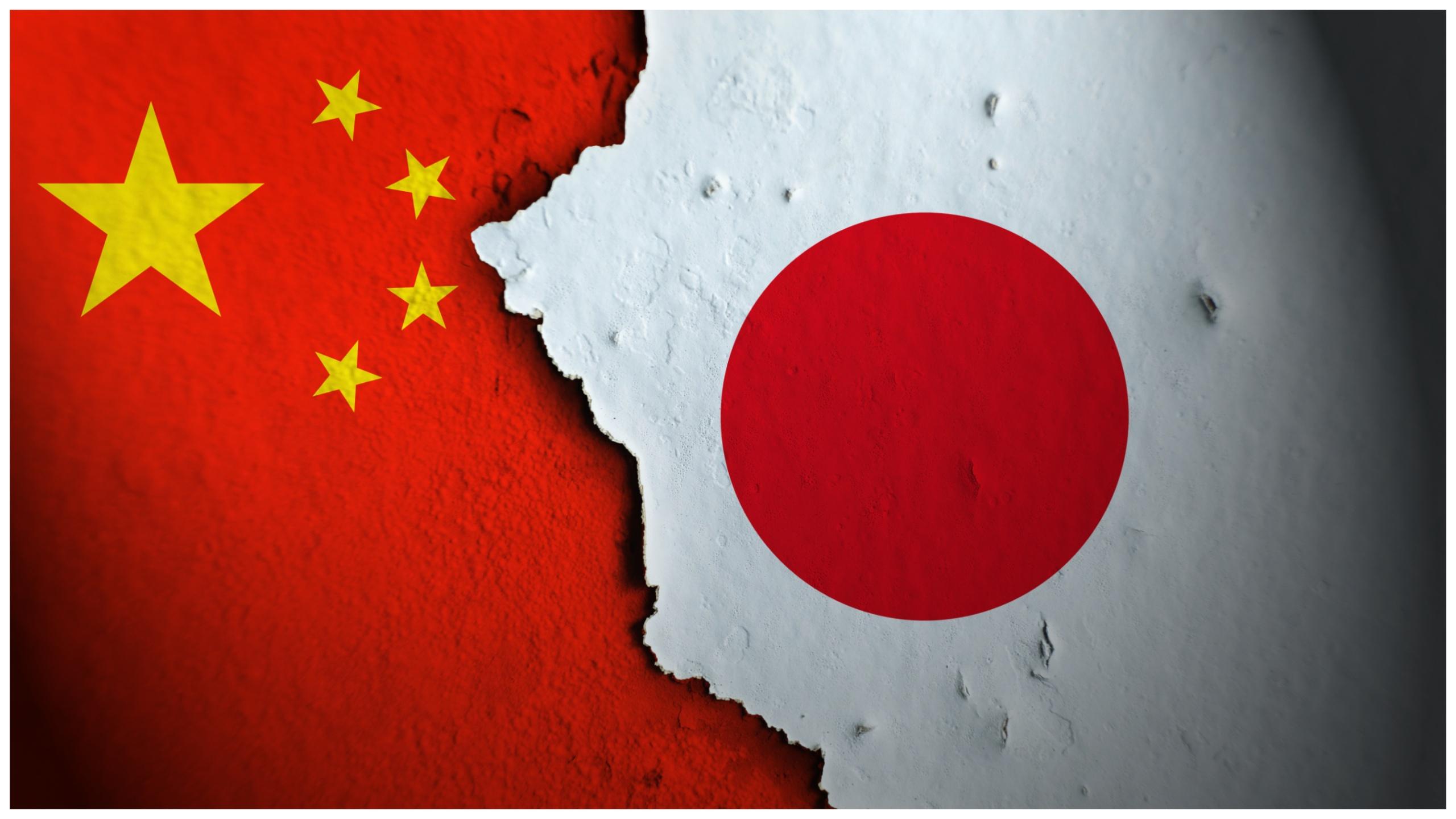
In a major escalation of its economic warfare strategy, China’s Ministry of Commerce has imposed a fresh round of restrictive export controls on dozens of Japanese entities. Citing retaliatory pushback against Tokyo’s alleged “new militarism.” The economic restrictions place 20 organizations on a strict blacklist, explicitly barring them from receiving Chinese dual-use goods or technologies that possess potential military applications. Among these blacklisted entities are state-affiliated research hubs, such as the National Institute for Defence Studies, the Naval Systems Research Center, and the Ground Systems Research Center. Alongside prominent industrial manufacturers like Mitsubishi Precision and Kawajyu Gifu Manufacturing.
Additionally, Beijing placed 20 separate organizations—including Mitsui E&S, Hitachi Advanced Systems, and Terra Drone—on a secondary watch list. Exporters dealing with these watch-listed companies must now provide rigorous risk assessments and formal written assurances. That the shipped materials will not enhance Japan’s defense capabilities. Tokyo swiftly condemned the sanctions, with Chief Cabinet Secretary Minoru Kihara. Calling the restrictions completely unacceptable and urging Beijing to revoke them immediately.
This diplomatic rift stems from an acute, months-long feud over the status of self-governing Taiwan, which deteriorated sharply following the ascension of Japan’s conservative Prime Minister, Sanae Takaichi, last October. Takaichi has aggressively prioritized defense, raising military spending to 2 percent of Japan’s gross GDP. Pursuing revisions to the country’s historic pacifist constitution and controversially suggesting that Tokyo could militarily intervene. Under the right of collective self-defense if China launched an invasion of Taiwan.
Beijing, which views Taiwan as a non-negotiable part of its sovereign territory, responded with initial economic sanctions in February before unleashing this current round of restrictions. Trade and supply chain experts point out that while these targeted controls directly punish Takaichi’s administration. They serve a broader geopolitical purpose: utilizing China’s dominance over critical manufacturing supply chains. This as a warning mechanism to deter other international actors from crossing Beijing’s defined red lines regarding Taiwan.
In conclusion, China’s implementation of these stringent export controls underscores its increasing reliance on economic coercion as a primary tool to enforce its core territorial claims. By cutting off vital technical components to Japan’s core defense research and corporate infrastructure. Beijing aims to reshape the strategic balance of power in East Asia, leveraging supply chain vulnerabilities. Ultimately to signal that any foreign alignment with Taiwan’s defense will carry severe, long-term commercial penalties.
Reference
Power, J. (2026, June 29). China slaps export controls on dozens of Japanese entities. Al Jazeera. https://www.aljazeera.com/economy/2026/6/29/china-slaps-export-controls-on-dozens-of-japanese-entities