
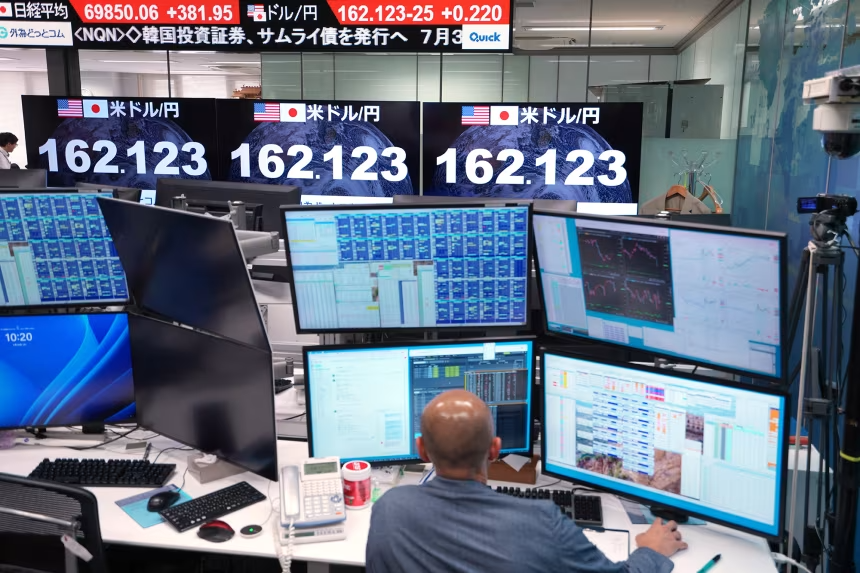
The global economy is currently facing massive currency shifts. Specifically, the Japanese yen’s historic low has recently captured international attention. On July 1, 2026, the yen dropped to a 40-year low against the US dollar. In fact, it reached levels unseen since December 1986. Consequently, this dramatic decline is putting investors on high alert for potential government intervention. Furthermore, the currency breached the 162-per-dollar mark, specifically hitting 162.41 in early trading. Therefore, analysts are closely watching how this will ripple through global markets.
The Role of Interest Rate Gaps
To fully understand this situation, we must examine the primary drivers behind the decline. Currently, the most significant factor is the widening interest rate gap between Japan and the United States. Recently, the Bank of Japan raised its benchmark interest rate to 1 percent. This is the highest level seen since the 1990s. However, this rate remains considerably lower than the US Federal Reserve’s rate. Therefore, capital is rapidly moving toward the US as investors chase better returns. Ultimately, this dynamic significantly strengthens the dollar while pushing the yen further downward.
Geopolitical Tensions and Energy Prices
Additionally, external geopolitical factors are severely exacerbating this financial pressure. Recently, the energy price shock triggered by the US-Iran war has heavily influenced the market. Because Japan imports almost all of its energy, it remains highly vulnerable to supply disruptions. Furthermore, this sudden rise in oil prices fuels doubts about the authorities’ ability to control inflation. Consequently, these ongoing global tensions are reinforcing a hawkish shift in Fed policy communication. Traders now expect the Fed to hold rates steady or increase them to combat this inflation.
Potential Government Intervention
Looking ahead, market participants are closely monitoring the Japanese government’s next moves. Previously, Tokyo spent a record 11.73 trillion yen to intervene in foreign exchange markets. They executed this massive financial maneuver between late April and late May. Despite these massive efforts, the downward trend has not reversed. Now, Finance Minister Satsuki Katayama has stated that authorities are ready to respond appropriately. They are prepared to act decisively against these currency moves at any time. In conclusion, the continued Japanese yen historic low remains a critical issue for global investors.
References
Towfighi, J. (2026, July 1). The Japanese yen is at a 40-year low. Here’s why that matters. CNN. https://edition.cnn.com/2026/07/01/economy/japanese-yen-low