
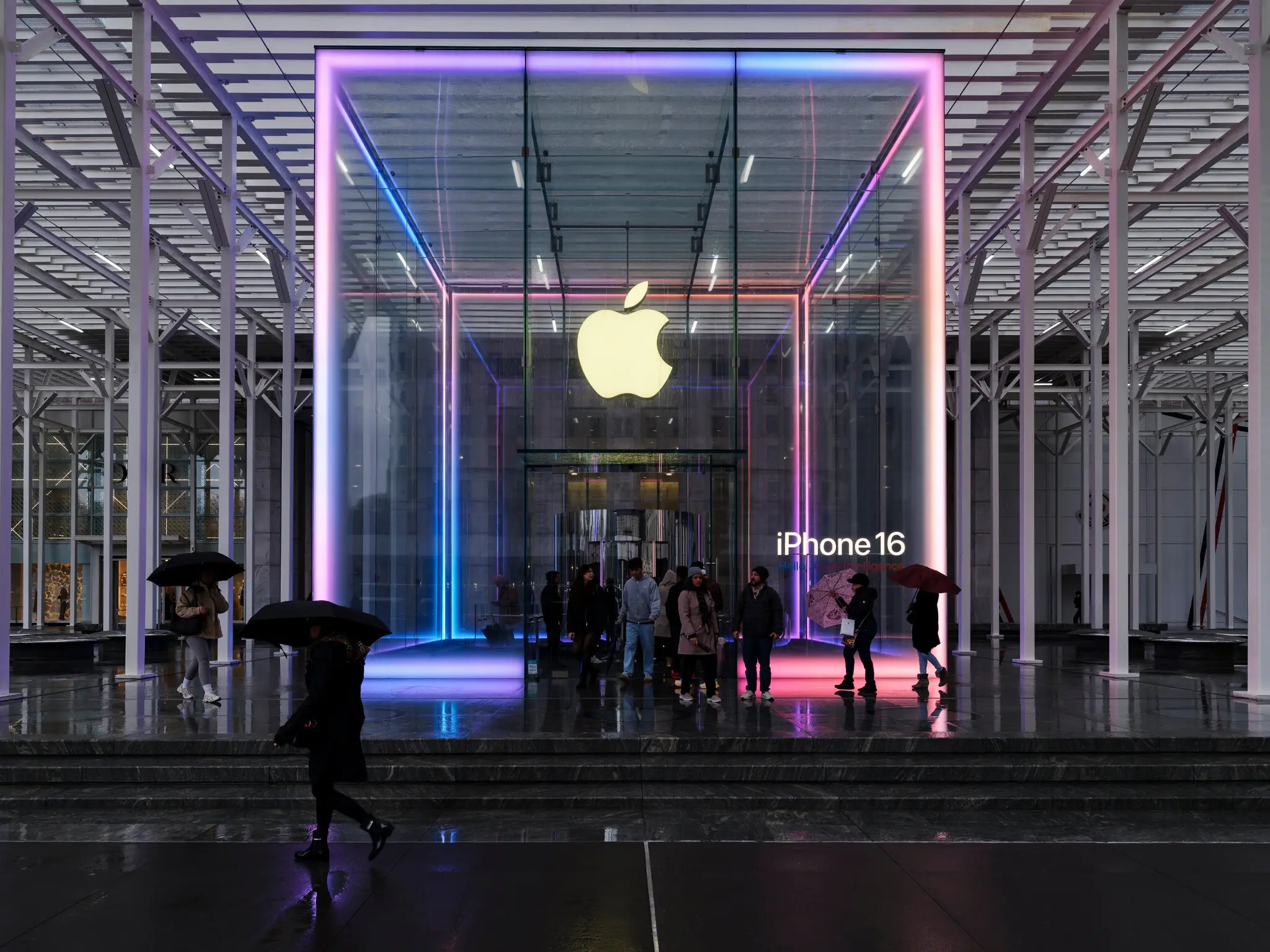
A Dramatic Collapse of a Landmark Tech Alliance
The volatile competitive dynamics within Silicon Valley have triggered an explosive legal battle between two technology superpowers. According to a breaking report by The New York Times, Apple has officially filed a massive lawsuit against OpenAI in a California federal court. The legal complaint accuses the high-profile artificial intelligence developer of running a highly coordinated, institutional campaign to steal proprietary trade secrets. Specifically, Apple alleges that OpenAI targeted its confidential hardware designs to accelerate the creation of its own upcoming consumer devices. Consequently, this aggressive litigation marks the absolute breakdown of the high-profile product partnership the two firms established earlier.
The Recruitment Mechanism and “Show and Tell” Interviews
The core of the legal filing centers on what Apple describes as a calculated corporate poaching and corporate espionage scheme. The iPhone maker explicitly notes that more than 400 of its former employees have been aggressively hired by the AI startup. More importantly, Apple claims that OpenAI’s hiring managers instructed job candidates to bring highly confidential digital designs and device prototypes directly to their interviews. During these secretive “show and tell” sessions, candidates were allegedly pressured to reveal proprietary specifications of unreleased Apple products. Therefore, Apple asserts that OpenAI purposefully structured its recruitment process to extract sensitive competitor intelligence.
High-Profile Defendants: A Vice President and an Engineer
The lawsuit specifically names prominent individual defendants who allegedly facilitated the massive transfer of intellectual property. Chief among them is Tang Tan, OpenAI’s current hardware chief and a 24-year veteran executive at Apple. Apple alleges that Tan actively helped departing employees bypass corporate security protocols and shared confidential supplier networks before his resignation. Additionally, the complaint highlights the actions of former Apple electrical engineer Chang Liu. The lawsuit claims that Liu utilized an unreturned company laptop and exploited a network vulnerability to illicitly download dozens of sensitive engineering files while already on OpenAI’s payroll.
Exploiting Supply Chains and Deceiving Manufacturing Partners
Beyond internal network breaches, Apple alleges that OpenAI expanded its espionage efforts directly into its heavily guarded global supply chains. For instance, the legal filing describes an incident where OpenAI operatives approached one of Apple’s major component suppliers. The complaint asserts that OpenAI misled the manufacturing partner into believing that Apple had explicitly authorized the technical sharing. Through this alleged deception, OpenAI managed to obtain a highly classified demonstration of a proprietary metal-finishing technique used exclusively on Apple consumer hardware. As a result, Apple claims OpenAI’s entire hardware foundation relies illegally on stolen manufacturing breakthroughs.
Seeking Strict Injunctions and Long-Term Damages
Prior to moving forward with the litigation, Apple executives stated they launched an internal audit in February and formally warned OpenAI. However, because the ChatGPT maker failed to provide a meaningful administrative response, Apple pressed ahead with federal legal action. The plaintiff is officially seeking a strict legal injunction to completely block OpenAI from utilizing, possessing, or disclosing any stolen technical data. Furthermore, Apple is demanding the immediate return of all misappropriated files and substantial financial damages to be determined at trial. Because complex trade secret cases of this scale usually take years to resolve, this filing serves as the opening move in a protracted industrial war.
International Relevance
The explosive legal battle between Apple and OpenAI carries immense global significance for transnational technology supply chains, corporate governance, and the regulatory frameworks of the digital economy. As artificial intelligence companies increasingly pivot from software models toward manufacturing sovereign consumer devices, the protection of hardware intellectual property becomes a critical national security and economic priority. This high-stakes dispute underscores the fragile nature of tech industry alliances and highlights how talent mobility can inadvertently lead to systemic compliance risks and multi-billion-dollar legal standoffs. By demonstrating that legacy tech giants will aggressively deploy federal judiciaries to defend their manufacturing dominance, this landmark case will heavily influence global standard-setting for cross-border recruitment practices, supply chain oversight, and the boundaries of ethical corporate competition worldwide.
Reference: The New York Times. (2026, July 10). Apple sues OpenAI alleging theft of trade secrets. https://www.nytimes.com/2026/07/10/technology/apple-openai-lawsuit.html