
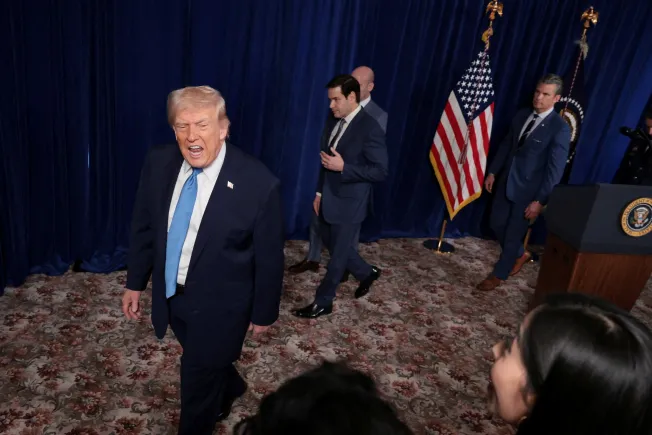
As international alliances undergo rapid fragmentation, the current Trump Latin America foreign policy stands out as an aggressive pivot in global affairs. Moving away from the hands-off approaches of previous decades, Washington has focused immense capital, military attention, and diplomatic pressure on its southern neighbors. This calculated strategy is fundamentally reshaping political and commercial relations across the Western Hemisphere.
The Core Driver of the Regional Pivot
To understand this dramatic policy shift, observers must look beyond traditional diplomatic theories. The administration has aligned its regional actions directly with core domestic objectives: securing borders, shifting supply chains, and curbing illegal narcotic flows. Consequently, the region has transformed from a secondary concern into a primary focal point of U.S. national security.
According to regional experts, the current administration has directed more administrative resources toward Latin American objectives than any White House team in the past forty years.Rather than relying purely on diplomatic summits, Washington utilizes a mix of economic penalties and direct actions to enforce compliance. This practical approach emphasizes rapid results over long-term multilateral agreements. As a result, neighboring governments are adjusting their internal policies to align with American preferences.
Rolling Back Counter-Influences and Leftist Tides
A primary goal of this updated strategy is countering external economic footprints, specifically from Beijing. For years, Asian state enterprises aggressively funded massive infrastructure nodes, such as strategic shipping hubs and deep-water ports. The U.S. now directly challenges these projects by reviving elements of the historic Monroe Doctrine.
It’s a loop:
U.S. Security Demands -> Enforcement of strict border & drug controls
Economic Pressures -> Imposition of targeted tariff & supply line penalties
Political Results -> A rapid rightward shift among regional leadership
This sustained pressure has contributed to a notable political reversal across the continent. The populist “pink tide” of leftist governments that dominated the early 2020s has receded swiftly. In its place, a wave of conservative administrations has taken power in nations like Argentina, Ecuador, and Panama.
The Financial Fallout for Multi-Market Businesses
For cross-border corporations, this assertive environment introduces severe operational friction. Companies can no longer treat Latin American markets as neutral, open logistics corridors. Instead, they must carefully audit their supplier networks to ensure zero compliance overlaps with sanctioned entities.
Furthermore, sudden policy shifts regarding key maritime routes, trade treaties, and borders make long-term planning incredibly difficult. Businesses are forced to divert significant portions of their operational budgets away from development and into regulatory risk management.
The Structural Reality Moving Forward
Dismantling these newly established frameworks will be difficult, regardless of future political transitions. The administration has successfully created a highly transactional template for hemispheric diplomacy.
For international firms and regional leaders, managed trade and strict alignment have become the new normal. To thrive in this environment, organizations must remain highly agile. The era of low-friction, globalized commerce throughout the Americas has officially transitioned into an era defined strictly by national interest.
Winter, B. (2026). Trump is remaking Latin America: How Washington successfully advanced its agenda in the hemisphere. Foreign Affairs, 105(4), 45–60. https://www.foreignaffairs.com/americas/trump-remaking-latin-america