
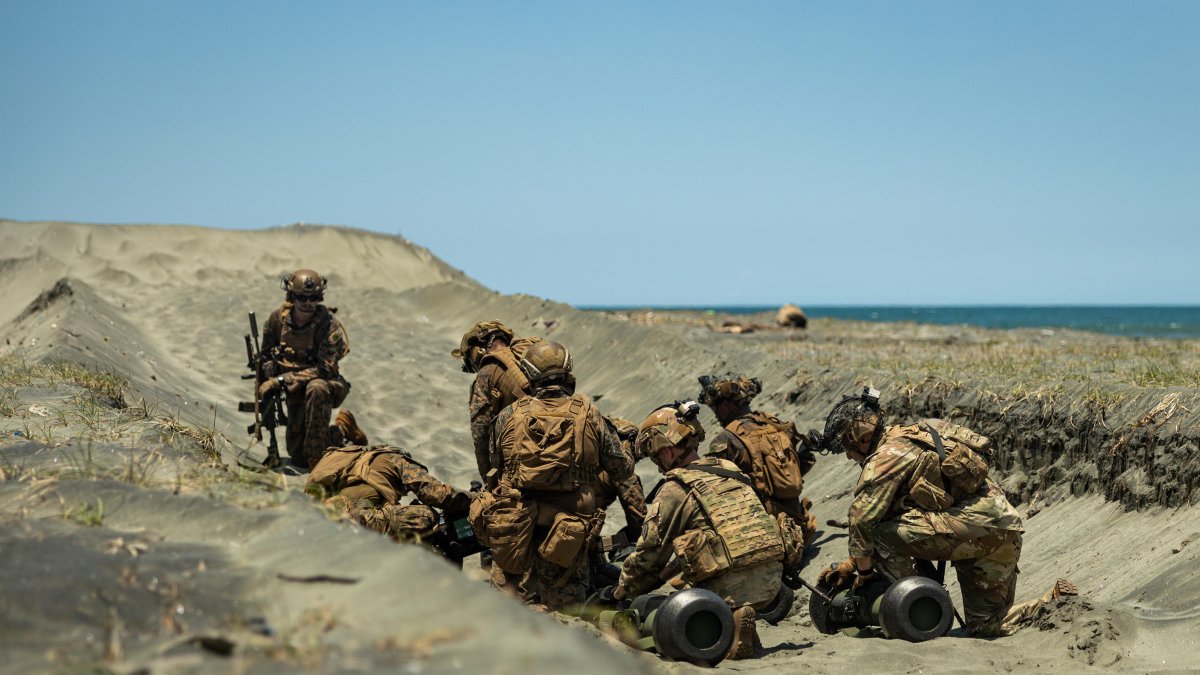
The role and strategic utility of United States land power are facing intense scrutiny amid ongoing global conflicts in Eastern Europe and the Middle East. As well as heightened geopolitical competition in the Indo-Pacific. In evaluating how land forces function within the modern joint military structure, it is evident that land power possesses unique advantages and inherent limitations in contemporary warfare. Its primary strength lies in its capacity for physical presence and persistence. Which are essential for achieving durable control, ensuring security, and establishing credible deterrence. Because major political and strategic outcomes are ultimately decided on the ground. The land domain remains the decisive arena for securing permanent, stable results that cannot be achieved through air or maritime dominance alone.
Beyond physical presence, land power is characterized by high versatility and adaptability. It encompasses a broad array of capabilities that allow the joint force to execute a wide variety of missions. From high-intensity combat to humanitarian assistance and partner nation training. However, these strengths are balanced by significant dependencies and risks. Because United States land power is predominantly expeditionary meaning it must be projected far from domestic shores. It relies heavily on the capabilities of the joint force, such as naval transport and air superiority, as well as the active cooperation of regional allies and international partners. Additionally, land operations are inherently constrained by the potential for high human costs, which heavily influences political decision-making and operational planning.
In conclusion, United States land power remains an indispensable element of national security and global deterrence. Offering a level of persistent control and versatility that other domains cannot replicate. While its expeditionary nature demands deep integration with naval and air assets alongside global allies. Its ability to secure tangible, enduring outcomes on the ground is what ultimately translates military action into lasting strategic victory. This balance of decisive capability and logistical dependency will continue to define. Ultimately, its relevance in an increasingly complex and contested global security landscape.
Reference
McGinn, J., Gresh, J. P. J., & Alek Jovovic. (2026, July 14). The Value of U.S. Land Power. CSIS; Center for Strategic and International Studies. https://www.csis.org/analysis/value-us-land-power