
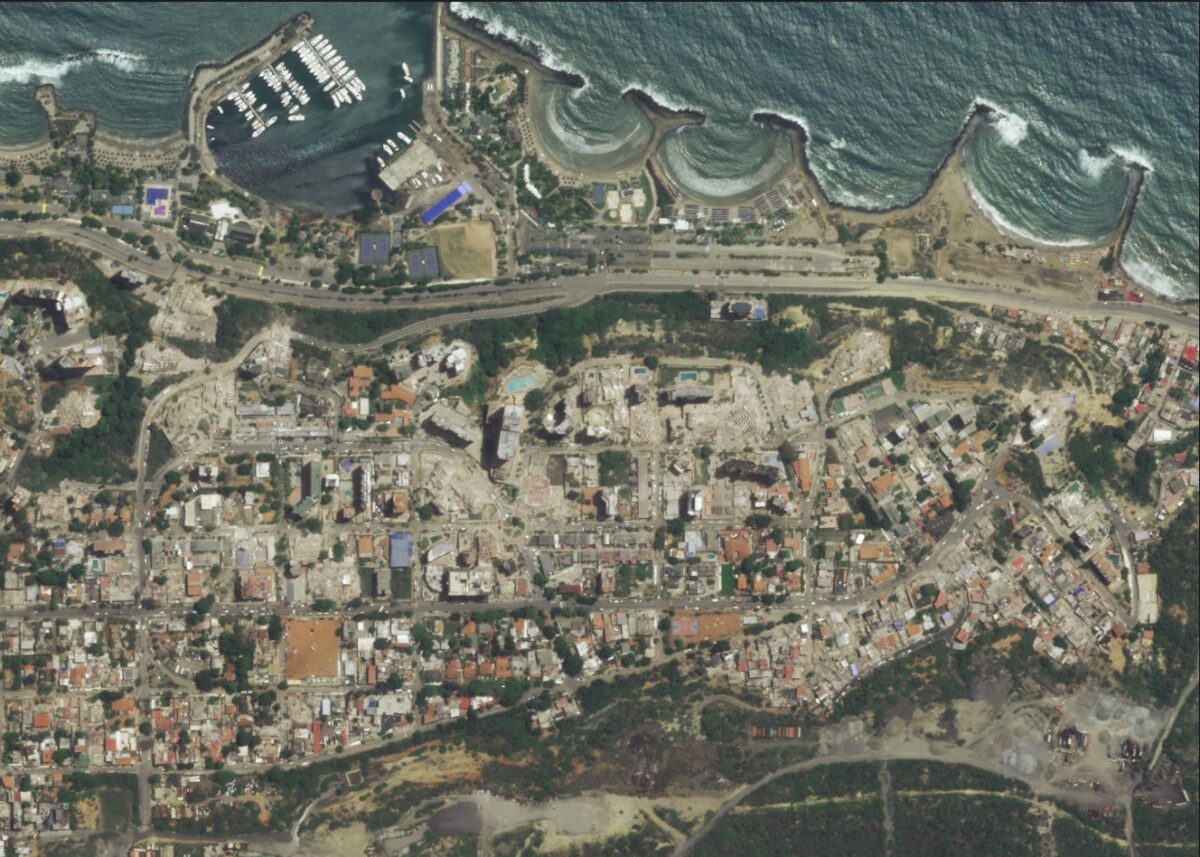
The devastating twin earthquakes that struck Venezuela have triggered a massive humanitarian and forensic crisis. With more than 3,500 deaths confirmed and United Nations estimates warning the final toll could reach 10,000. In the immediate aftermath of this disaster, local authorities and communities are facing the overwhelming challenge. Of managing an unprecedented volume of fatalities. Ground-level footage, social media videos, and satellite imagery reveal the rapidly escalating and often desperate efforts. To bury the dead amidst a severely strained local infrastructure.
One of the most visible points of this crisis is the La Esperanza cemetery in the hard-hit coastal region of La Guaira. Analysis of satellite imagery shows that the cemetery has undergone rapid and massive expansion. Excavating more than 20 rows of freshly dug trenches to accommodate approximately 500 new burial plots. Geolocated footage confirms that coffins are being systematically placed into these long, newly excavated trenches. This reliance on trench burials highlights the intense pressure on municipal services to inter bodies quickly. Particularly as decomposition and limited refrigeration facilities present immediate public health concerns.
Despite the chaotic and rapid nature of these mass burials, some structured efforts are being made to preserve the dignity of the deceased and the rights of their families. At La Esperanza, burials are organized along lettered terraces demarcated with white stones. With each body placed in an individual grave marked by a specific identification code. This coding system is a vital forensic measure. Forensics experts emphasize that even when immediate identification is impossible due to the sheer scale of the disaster. Burying the deceased respectfully and systematically is crucial to preserving the possibility of future exhumation, DNA testing, and definitive identification.
In conclusion, the management of the dead following the Venezuelan earthquakes exposes a deep tension. This between the urgent logistical need for rapid burials and the ethical obligation to respect the deceased and support grieving families. While the scale of the tragedy has forced recourse to mass trench burials. The implementation of localized coding and terracing systems at sites like La Esperanza offers a fragile but necessary pathway toward future identification. Ultimately, helping families find eventual certainty in a time of profound loss.
Reference
Gonzales, C. (2026, July 6). Between Graves and Uncertainty: The Management of the Dead After Venezuela’s Earthquake – bellingcat. Bellingcat. https://www.bellingcat.com/news/2026/07/06/between-graves-and-uncertainty-the-management-of-the-dead-after-venezuelas-earthquake/