
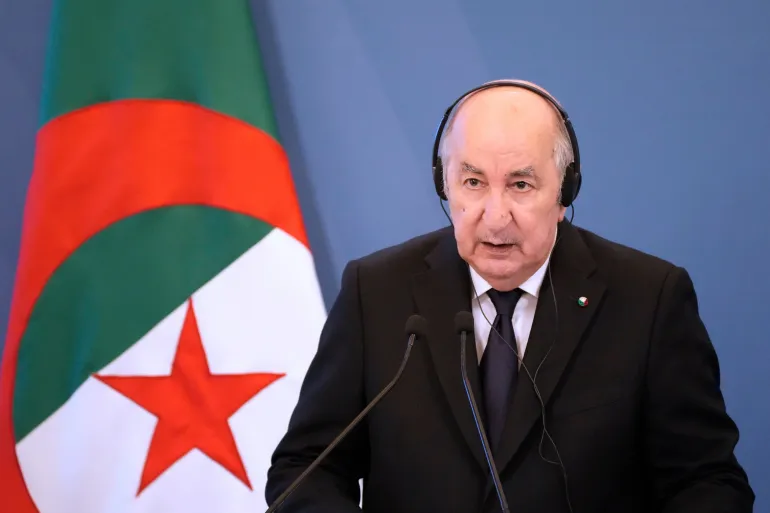
As security frameworks across North-West Africa undergo rapid fragmentation, the decision to Algeria Mali diplomatic relations restore channels marks a vital stabilization milestone. For over twelve months, a severe diplomatic freeze completely paralyzed communication between the neighboring nations. However, shared cross-border security threats and severe economic realities have forced both leadership groups to abandon their isolationist stances and resume official communication.
Resolving a Turbulent Year of Border Friction
To understand the core drivers behind this sudden geopolitical thaw, analysts must look back at the origins of the 2025 rift. The initial diplomatic collapse occurred when Bamako abruptly closed its sovereign airspace to Algerian traffic and withdrew its ambassador. This sudden escalation effectively dismantled decades of joint counter-terrorism cooperation along their porous desert frontier.
According to regional security reports, the complete absence of a functional diplomatic channel heavily restricted local counter-insurgency operations throughout the Sahel corridor.
The breakthrough agreement successfully normalizes ties by reinstating both nations’ ambassadors to their respective capitals. Furthermore, the pact immediately reopens shared airspace corridors for both commercial logistics and military transit. Consequently, the Algeria Mali diplomatic relations restore framework brings essential structural balance back to a highly volatile border environment.
Countering Insurgency and Rebuilding Regional Trade
This rapid diplomatic reconciliation is heavily driven by mutual security concerns. Both Algiers and Bamako face mounting pressure from localized insurgent factions operating across unmonitored desert corridors. By re-establishing direct communication lines, military planners can resume sharing vital intelligence.
Additionally, restoring political ties clears the way for crucial trans-Saharan infrastructure projects to move forward. The freeze had entirely halted local trade agreements and infrastructure logistics across the northern Malian transport nodes. With official channels open again, border-zone markets can begin recovering from a year of severe economic stagnation.
The Financial Fallout for Cross-Border Transport
For international logistics firms and regional transport entities, this normalized border framework removes major operational headaches. During the yearlong airspace closure, shipping lines and charter networks had to fly lengthy, expensive detours around the West African interior.
Furthermore, a stabilized political relationship reduces the risk of sudden, unannounced border closures that disrupt long-haul freight operations. While regional security risks remain high, a unified diplomatic stance between Algiers and Bamako provides a much more predictable legal landscape for cross-border investments.
A Realignment of Sahelian Geopolitics
Repairing deep-seated political mistrust along the desert frontier will naturally take time. Nevertheless, establishing these formal diplomatic baselines marks a permanent shift away from the unstable policies of the past year. The communication barriers that once divided these key regional partners have been dismantled.
Moving forward, international stakeholders must carefully watch how these renewed border agreements are implemented on the ground. Success in this complex market requires balancing local partnerships with shifting international security mandates. Ultimately, the nations and organizations that align closely with this new era of Sahelian cooperation will be best positioned to protect their assets in the region.
Al Jazeera. (2026, July 11). Algeria and Mali restore diplomatic ties following yearlong rift. Al Jazeera. https://www.aljazeera.com/news/2026/7/11/algeria-and-mali-restore-diplomatic-ties-following-yearlong-rift