
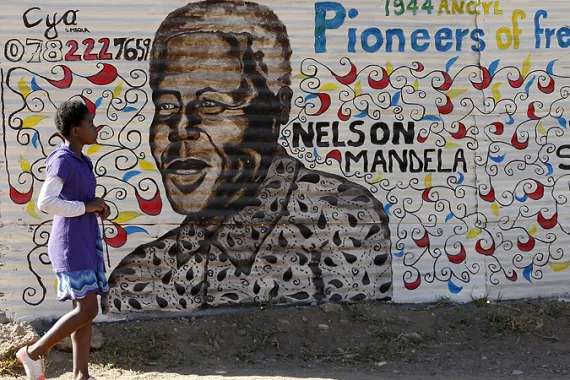
As the nation navigates complex demographic shifts and persistent economic inequality, the annual celebration of the Mandela Day South Africa legacy faces an intense political re-evaluation. Established by the United Nations in 2009, the global event traditionally calls for citizens to dedicate 67 minutes to public welfare. However, severe systemic bottlenecks and a rising tide of economic frustration have altered public perceptions, shifting the day from a celebration of unity into an active political debate.
The Fragmenting Consensus Over Reconciliation
To understand how this commemorative baseline has shifted, observers must examine the rising social movements reshaping local politics. For nearly three decades, public memory prioritized Mandela’s framework of national reconciliation and constitutionalism. However, a growing generation of young South Africans argues that these agreements did not sufficiently address deep-seated wealth disparities.
According to data from the Nelson Mandela Foundation, the historic focus on social harmony is increasingly overshadowed by demands for urgent structural reform.
This friction was highlighted by a controversial initiative from an anti-immigration activist coalition operating in the Eastern Cape province. Instead of performing traditional community cleanup projects, members used their time to inspect local enterprises and search for undocumented workers. Consequently, the Mandela Day South Africa legacy is being used by rival political factions to advance entirely different agendas.
Economic Frustration Redefines Public Memory
This shift in community action is heavily driven by real-world socio-economic conditions. High youth unemployment rates and slow public infrastructure development have forced many communities to rethink traditional charitable gestures.
The Nelson Mandela Foundation strongly condemned the targeting of migrant communities, stating that it directly undermines the core values of human dignity. Nevertheless, activist networks counter that the state has failed to enforce immigration laws and protect local employment. As a result, the national holiday now directly reflects the country’s deep domestic anxieties.
The Long-Term Impact on Institutional Trust
For international non-profits and cross-border corporate social responsibility (CSR) programs, this shifting landscape requires a completely updated approach. Relying on superficial corporate volunteer days or generic public relations campaigns is no longer effective.
Furthermore, global organizations must design their local initiatives to address underlying economic issues directly, such as job training and sustainable resource access. While the memory of the anti-apartheid struggle remains a vital historical anchor, modern institutional trust requires delivering clear, measurable economic progress.
The Road Ahead for South African Unity
Moving past symbolic gestures toward concrete structural changes will naturally take time. Still, the events surrounding this year’s commemoration show a clear shift away from purely celebratory history. The passive agreement that once characterized the day has given way to active social debate.
Moving forward, political leaders and civil society must learn to navigate these deep public disagreements constructively. Success in this evolving environment means embracing open dialogue alongside practical economic reforms. Ultimately, the challenge for the modern state is channeling the energy of this debate into building a fairer and more resilient society.
Hunter, Q. (2026, July 18). Mandela Day: What his legacy means in today’s South Africa. Al Jazeera. https://www.aljazeera.com/news/2026/7/18/mandela-day-what-his-legacy-means-in-todays-south-africa