
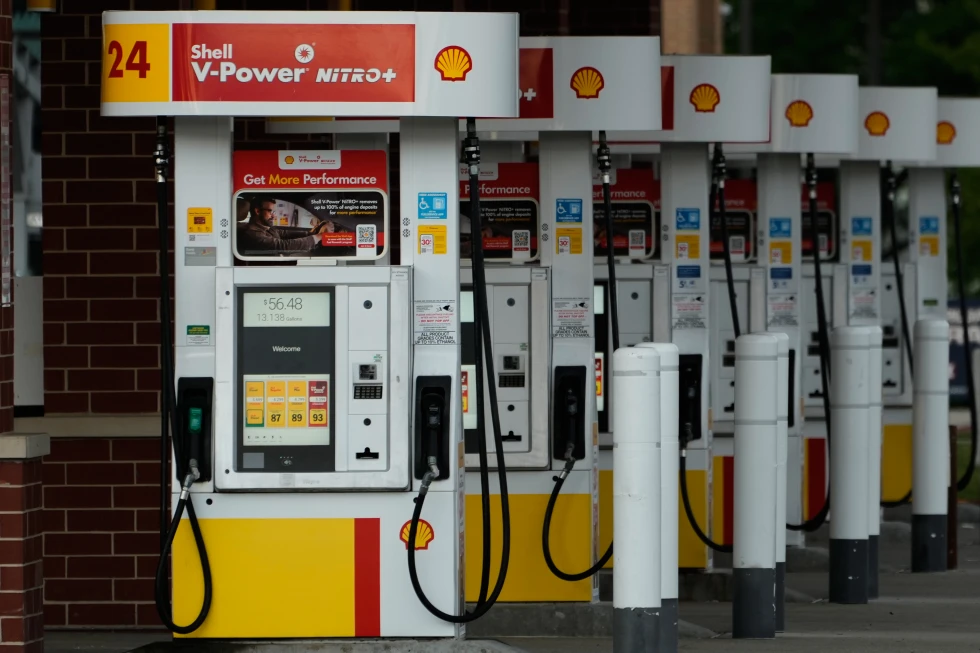
Rising Fuel Costs Return
Gasoline prices in the United States have risen above the $4-per-gallon mark once again as renewed tensions involving Iran disrupt global energy markets. According to AP News, the increase follows a surge in crude oil prices driven by fears that instability in the Middle East could affect oil production and transportation. The rise in fuel costs comes after several weeks of relative stability and has renewed concerns about inflation and household spending.
Middle East Tensions Affect Global Energy
The latest escalation involving Iran has heightened uncertainty in one of the world’s most important energy-producing regions. Investors remain concerned that any disruption to oil exports or shipping routes—particularly through the Strait of Hormuz—could tighten global supply. Although no major interruption has occurred, the possibility of further military escalation has been enough to push oil prices upward in international markets.
Consumers Feel the Economic Impact
Higher gasoline prices have immediate consequences for households and businesses. Transportation costs influence the prices of goods and services across the economy, making fuel one of the most visible indicators of inflation. AP News notes that the increase places additional financial pressure on consumers during the busy summer travel season, when fuel demand is traditionally at its highest.
Political Pressure on the White House
The increase in gasoline prices also carries political implications. Energy costs are closely watched by voters and often become a measure of government economic performance. Rising fuel prices may complicate efforts by the Trump administration to demonstrate economic stability, especially as inflation and consumer confidence remain central issues in domestic politics. At the same time, policymakers continue to monitor international developments that could either ease or worsen market volatility.
Oil Markets Remain Highly Sensitive
Energy analysts emphasize that global oil markets remain vulnerable to geopolitical events. Even limited military actions or diplomatic tensions in the Middle East can trigger rapid changes in investor expectations and commodity prices. This situation highlights the interconnected nature of international energy markets, where regional conflicts often produce global economic consequences.
International Relevance
Overall, the AP News report illustrates how geopolitical instability in the Middle East continues to shape global energy markets and domestic economic conditions. Rising gasoline prices demonstrate the close relationship between international security, oil supply, inflation and consumer welfare. For the OGU, the topic is internationally relevant because it connects conflict in the Middle East with global economic stability, energy security and international trade.
Reference: AP News. (2026, July 20). Gas prices climb above $4 a gallon as Iran conflict pushes oil prices higher. https://apnews.com/article/gas-prices-iran-war-4-gallon-4b82825734ec3ded192351e53a4be69e