
Artificial Intelligence Changes Online Search
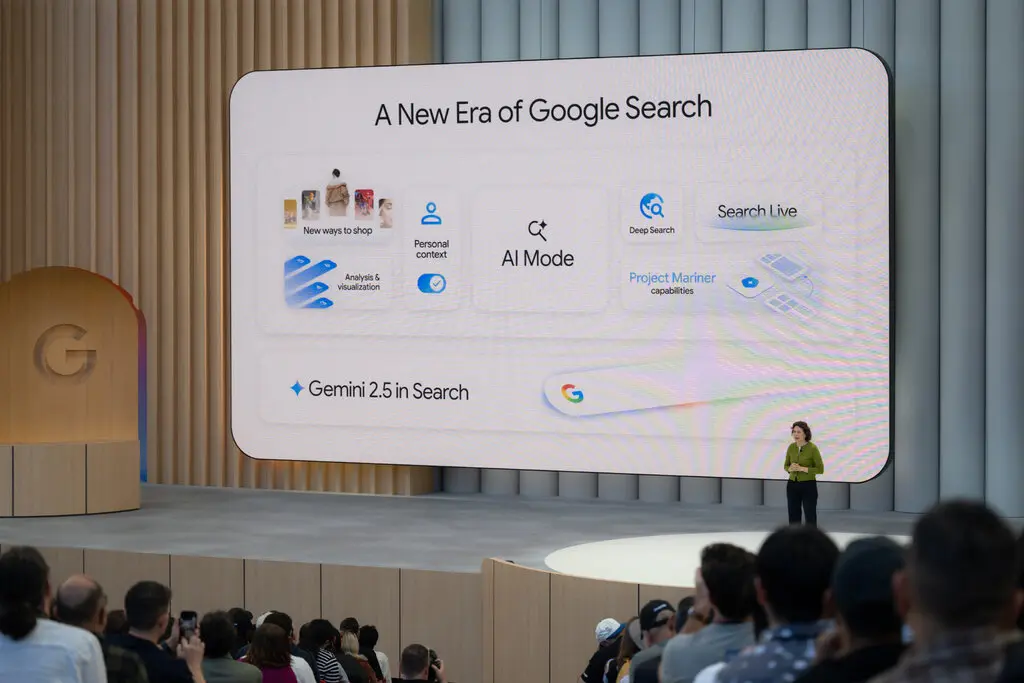
Google is accelerating the integration of artificial intelligence into its search engine, fundamentally changing how users access information online. According to The New York Times, AI-generated answers increasingly provide direct responses without requiring users to visit external websites. This shift represents one of the most significant transformations in the history of internet search and challenges the traditional relationship between search engines and content creators.
The Open Web Faces New Challenges
For decades, the open web has depended on search engines directing users to news organizations, blogs and independent websites. AI-powered search alters that model by summarizing information directly within search results, reducing referrals to publishers. As fewer users click on original sources, media organizations and content creators face growing concerns over advertising revenue, subscriptions and the long-term sustainability of digital journalism.
Publishers Seek a New Economic Model
The expansion of AI search has intensified debates over copyright, licensing and compensation for original content. Publishers argue that AI systems rely heavily on their reporting while generating fewer visits to their websites. This has encouraged discussions about new licensing agreements and business models that ensure creators are fairly compensated when their work contributes to AI-generated responses.
Competition in the AI Race
Google’s strategy also reflects increasing competition in artificial intelligence. Technology companies are investing heavily in conversational AI, generative search and intelligent assistants to attract users. The race extends beyond product innovation, influencing advertising, cloud computing and the broader digital economy. As AI becomes central to online services, competition among major technology firms is expected to reshape how information is produced, distributed and consumed.
Trust and Information Quality
The growing use of AI-generated summaries also raises questions about transparency and reliability. Experts argue that users should be able to identify the original sources behind AI-generated information and understand how responses are produced. Maintaining high-quality journalism and preserving trust in public information will become increasingly important as AI assumes a larger role in digital knowledge ecosystems.
International Relevance
Overall, The New York Times highlights that Google’s AI-powered search represents more than a technological innovation. It may redefine the economic foundations of the open web, alter the relationship between technology companies and publishers, and influence how billions of people access information. For the OGU, the topic is internationally relevant because it connects artificial intelligence, digital governance, media sustainability, competition policy and the future of the global information economy.
Reference: The New York Times. (2026, July 20). Google AI and the future of the open web. https://www.nytimes.com/2026/07/20/technology/google-ai-open-web.html